Shiba Inu Burn Rate: Latest SHIB Token Reduction Insights

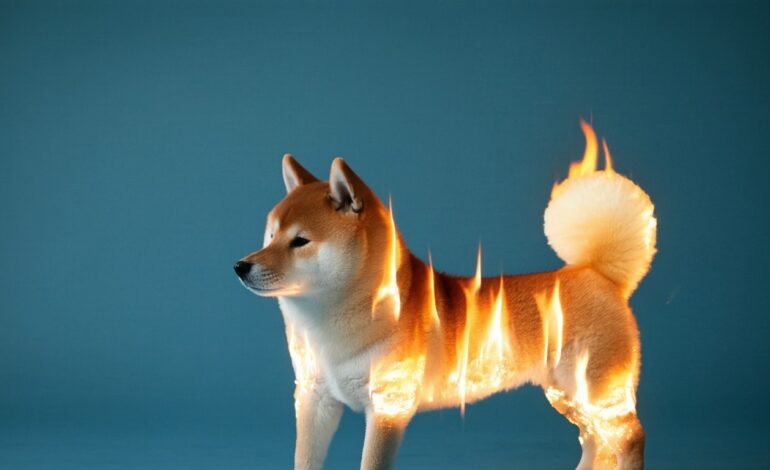
The Shiba Inu (SHIB) token, an Ethereum-based meme cryptocurrency, has witnessed explosive growth in both popularity and circulation. One of the most closely watched metrics among SHIB enthusiasts and investors is the “burn rate” — the pace at which SHIB tokens are permanently removed from circulation. This process, called “burning,” aims to reduce supply, potentially increasing the value of the remaining tokens. As the crypto space adapts to evolving economic conditions and utility-driven use cases, understanding the dynamics of the Shiba Inu burn rate offers crucial insights for anyone following the project or holding SHIB.
Beyond the headlines, the burn rate serves as a direct lever for controlling token inflation. While meme coins are notorious for their volatility and whimsical branding, the push towards strategic burning—supported by community initiatives and official integrations—reflects a maturing mindset within the ecosystem. The result is a delicate balance: managing oversupply while maintaining utility and engagement.
How Burn Mechanisms Work in Shiba Inu
SHIB’s burn mechanism involves sending tokens to “dead” wallet addresses—accounts from which no one can withdraw. When tokens are sent to these addresses, they can never return to circulation, effectively reducing total supply.
There are several ways burns occur within the Shiba Inu ecosystem:
- Manual Burns: SHIB community members and project developers periodically send tokens to dead wallets as public, transparent events. These events often coincide with major milestones or campaigns.
- Automated Burns: Certain Shiba Inu-related decentralized applications (dApps), such as ShibSwap or third-party projects, integrate automatic burn features. For instance, a fraction of transaction fees is sometimes allocated for token reduction.
- Third-Party Burns: Occasionally, outside groups or companies holding large SHIB bags may opt to burn tokens as promotional gestures or strategic contributions to the community.
In practice, these mechanisms work collectively to gradually decrease the supply, with much debate focused not just on volume burned, but also on the frequency and sustainability of these events.
Recent Trends in the Shiba Inu Burn Rate
The last year has seen fluctuations in SHIB’s daily and weekly burn rates. Burn tracking websites and community forums regularly report on significant burns, often accompanied by community-driven campaigns. For example, during periods of heightened interest or in response to major announcements—like new exchange listings or project partnerships—the burn rate sometimes spikes dramatically.
One telling trend is the diversification of burn sources. It’s no longer just the core development team initiating burns. Several decentralized platforms, NFT projects, and even online retailers have contributed to SHIB burns, signaling a broader ecosystem involvement.
“The acceleration of Shiba Inu’s burn rate is a testament to both sustained community enthusiasm and creative integration across DeFi applications,” notes Michael Carter, a blockchain analytics specialist. “It reflects a shift from mere hype-driven activity to lasting, value-focused engagement.”
That said, it’s important to note that the absolute figures—while impressive in relative terms—still represent a modest fraction of the vast SHIB supply. Many observers stress patience, arguing that consistent, long-term burns are more impactful than short-lived spikes.
Key Factors Influencing SHIB Token Reduction
A variety of factors affect how quickly and efficiently Shiba Inu tokens are burned. Understanding these elements sheds light on the sustainability and economic impact of SHIB’s reduction efforts.
Transaction Volume and Network Activity
Higher transaction volumes—often tied to periods of hype, contest launches, or partnerships—tend to correlate with increased burning, especially with automated mechanisms. When more users engage with dApps or swap tokens, the cumulative burn rises.
Community-Driven Campaigns
Crowdsourced efforts, such as the “Shiba Burn Party,” have shown how grassroots organization can drive significant burning activity. Social media campaigns, livestreamed events, and fundraising for burns have become hallmarks of the engaged SHIB community.
Project Integrations and Ecosystem Growth
Integration into third-party ecosystems, including gaming platforms, NFT marketplaces, and fintech applications, creates new opportunities for automated and incentivized burning. As the Shibarium Layer 2 network matures, more complex, utility-driven burn mechanics are anticipated.
Market Sentiment and Speculation
Ultimately, broader crypto market trends and speculative sentiment can drive both token price and burn participation. When optimism is high, burns tend to accelerate; during bear cycles, activity generally slows.
Impact of Burn Rate on Shiba Inu’s Value and Future
Theoretically, burning tokens reduces circulating supply, increasing scarcity—an age-old principle of economics that can drive price appreciation if demand remains steady or rises. For SHIB, with its original supply of one quadrillion tokens, a meaningful, sustained burn rate is essential for long-term appreciation.
However, evidence from broader crypto markets shows that burns alone don’t guarantee price recovery or sustained growth. Investor confidence, real-world adoption, utility, and broader sentiment all play vital roles. For SHIB specifically, ongoing integration into payment platforms, NFT projects, and DeFi protocols is critical.
Global crypto observers note that the Shiba Inu community’s dedication to transparency and regular burn updates continues to boost the project’s credibility, even if the immediate price impact may be minimal.
Real-World Examples and Notable Burn Events
In recent periods, the SHIB community has orchestrated several high-profile burns:
- ShibaSwap Burn Portal: This official tool enables users to burn SHIB, with leaderboards and rewards for top burners.
- NFT-Driven Initiatives: Collaborative projects, such as SHIBOSHIS NFTs, have led to event-based burns, linking token destruction with NFT sales or trading milestones.
- Charitable and Commercial Partnerships: Some e-commerce platforms accepting SHIB have pledged a portion of profits to regular burns, blending charitable action with tokenomics.
While these events represent promising innovation, analysts remind stakeholders that meaningful supply reduction is a marathon, not a sprint. Sustained, community-endorsed programs lay the groundwork for long-term impact.
Potential Challenges and Criticisms
Not all voices in the cryptocurrency sector are convinced that burning alone will transform SHIB’s economic destiny. Skeptics argue that unless real utility and robust demand increase alongside aggressive supply reduction, price impacts may be limited or transient.
Other challenges include:
- Transparency Concerns: Ensuring all burns are verifiable and not merely symbolic.
- Motivation Fatigue: Relying on repeated campaigns can eventually see declining participation.
- Utility Gaps: If burns are not paired with genuine use cases, excitement may wane over time.
Innovative solutions, such as embedding burns into everyday transactions and expanding partnerships, are seen as possible paths forward.
Conclusion: Shiba Inu Burn Rate as a Strategic Lever
The evolving landscape of SHIB burn rate management demonstrates a shift toward more mature, community-driven tokenomics within the meme coin sector. Efficient burns, combined with ecosystem growth and increased real-world application, signal the project’s ongoing evolution from viral sensation to a potentially more stable, utility-rich asset.
Investors and community members alike will benefit by staying informed, participating in transparent burn initiatives, and critically evaluating the linkage between burns and broader ecosystem value. Sustained engagement, not isolated events, will ultimately shape Shiba Inu’s long-term trajectory.
FAQs
How does Shiba Inu burn its tokens?
SHIB tokens are burned by sending them to dead wallet addresses, which means they are permanently out of circulation. This can be done manually, automatically through apps, or via collaborative community campaigns.
Why does the burn rate matter for SHIB investors?
A higher burn rate reduces overall supply, which, in theory, can increase token value if demand remains steady or grows. It also demonstrates community engagement and project transparency.
Are there risks associated with focusing on token burns?
Yes, emphasizing burns without increasing utility or demand may limit long-term price benefits. Transparency and sustainable, utility-driven burns are crucial for lasting impact.
What types of initiatives contribute to Shiba Inu burns?
Initiatives include direct burns by the team or community, automated burns from transaction fees on DeFi or NFT platforms, and third-party integrations in retail or gaming.
How does burning SHIB compare to burning tokens in other projects?
Shiba Inu’s approach is similar to other deflationary tokens, but its scale—due to massive initial supply—means sustained and multi-faceted efforts are needed for substantial reduction.
Can increased burn rates guarantee a price increase for SHIB?
No, while reduced supply can be a positive factor, price depends on investor sentiment, utility, adoption, and market trends in addition to burns.