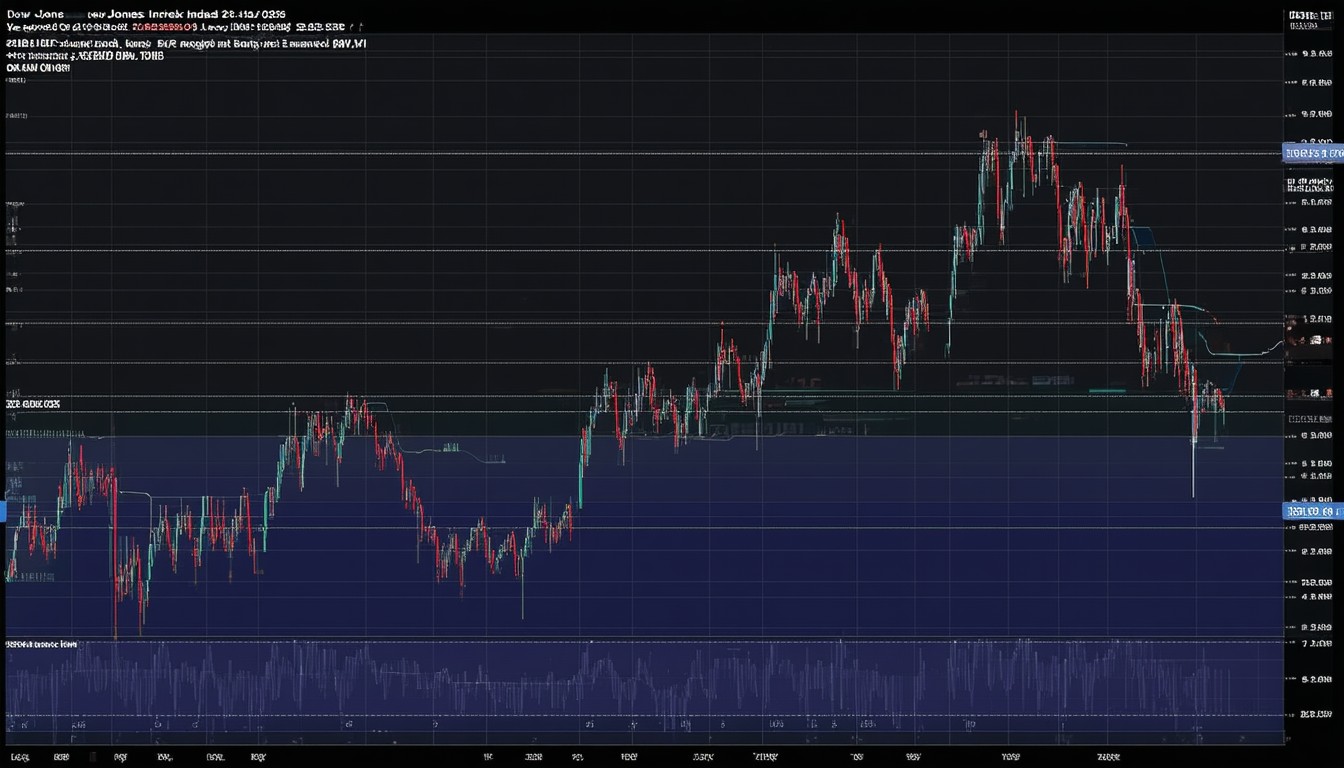
MSTR Share Price | MicroStrategy Stock Value & Market Performance


MicroStrategy Incorporated (NASDAQ: MSTR) has become one of the most closely watched stocks in the technology and cryptocurrency sectors. Beyond its legacy software business, MicroStrategy has gained notoriety for its aggressive Bitcoin acquisition strategy, deeply intertwining its stock performance with crypto market dynamics. For investors and market observers, understanding the drivers of MSTR’s share price requires a nuanced look at both traditional business fundamentals and the unique risks and rewards of its Bitcoin-centric approach.
MicroStrategy’s Dual Identity: Software Innovator and Bitcoin Proxy
At its core, MicroStrategy is an enterprise analytics and business intelligence software company. Traditionally, its revenue streams came from software licensing, cloud services, and consulting for large enterprises worldwide. Michael Saylor, the company’s co-founder and executive chairman, led the firm to prominence in the business intelligence field.
However, starting in 2020, MicroStrategy embarked on a bold corporate strategy — allocating a substantial portion of its capital reserves to purchase and hold Bitcoin. This move positioned MSTR not just as a tech stock but also as an effective proxy for Bitcoin exposure within public equity markets. As a result, MSTR’s share price often moves in tandem with both its operating performance and the volatility of the cryptocurrency market.
Bitcoin Holdings and Market Correlation
MicroStrategy now holds a significant amount of Bitcoin on its balance sheet, making it one of the largest publicly owned institutional holders. This strategy has prompted many institutional investors seeking Bitcoin exposure, but unable or unwilling to hold the asset directly, to purchase MSTR shares instead.
The relationship is clear:
– When Bitcoin rallies, MSTR’s share price typically surges, often outpacing pure-play cryptocurrency funds.
– Conversely, Bitcoin downturns can trigger sharp declines in MSTR’s market value.
This behavior was particularly evident during the 2021 and 2022 Bitcoin market cycles. For instance, during Bitcoin’s bull runs, MSTR’s market capitalization soared, while crypto “winters” triggered double-digit stock declines.
“MicroStrategy’s share price is now widely considered a levered bet on Bitcoin with a business intelligence company attached,” notes John Todaro, a digital assets strategist at Needham & Company.
Financial Performance: Beyond Bitcoin Bets
While MicroStrategy’s Bitcoin holdings command headlines, the company’s underlying software business still supports valuation fundamentals. Understanding its core financials helps separate speculative sentiment from longer-term business health.
Revenue Trends and Profitability
MicroStrategy delivers enterprise software and specialized analytics solutions. Although competition is fierce alongside companies like Microsoft, Oracle, and Tableau, it maintains a base of loyal, often long-term, enterprise clients. Over recent quarters, revenue growth has been mostly stable, but not explosive. Areas of focus include:
- Recurring revenues from cloud-based subscriptions and support
- Modest expansion internationally
- Ongoing development of analytics and mobile data visualization platforms
Profitability remains sensitive to R&D outlays and increasing employee costs. However, the firm’s relatively steady cash flow from its core business provides a measure of operational stability, even as Bitcoin adds volatility.
Leverage and Capital Structure
To fund its cryptocurrency purchases, MicroStrategy has issued convertible senior notes and leveraged debt. This strategy has amplified both the upside and downside risks for shareholders.
On the one hand, rising Bitcoin prices can drastically enhance per-share value and earnings; on the other, declines may put pressure on the company’s ability to service debt obligations and maintain investor confidence.
Market Sentiment and Investor Profile
Investor interest in MSTR spans a diverse cross-section — from traditional tech investors tracking enterprise software growth, to speculative traders and institutional funds seeking cryptocurrency exposure. As MicroStrategy’s correlation to Bitcoin became more pronounced, its shares have seen periods of intense volatility, often independent of the underlying software business news.
Trading Volumes and Volatility
During major Bitcoin bull or bear swings, MSTR shares can experience days with trading volumes several times higher than their historical average. Short interest often climbs when sentiment regarding Bitcoin turns sour, or when broader equity markets correct downward.
Notably, MicroStrategy has also become a favored stock for options traders — the leverage and volatility attracting those betting on pronounced directional moves.
Analyst Coverage and Consensus
Wall Street analysts typically evaluate MSTR through two primary lenses:
1. Traditional fundamentals: Revenue growth, customer acquisition, enterprise software milestones.
2. Bitcoin leverage: The market value and book cost of MicroStrategy’s Bitcoin holdings, along with forward guidance on any new cryptocurrency acquisitions.
Consensus price targets often fluctuate widely based on the latest movements in Bitcoin and perceived management conviction regarding further crypto investments.
Real-World Context: How Macroeconomic Forces Shape MSTR
MSTR’s status as a hybrid asset means its share price is sensitive to a combination of factors:
- Bitcoin regulations and ETF approvals: Positive news, such as Bitcoin ETF launches or regulatory green lights, have historically boosted both Bitcoin and MSTR.
- Interest rates and risk appetite: As with other growth and high-beta stocks, higher interest rates can decrease risk appetite, diminishing demand for highly volatile equities.
- Broader tech sector trends: Advances in enterprise AI, cloud adoption, and digital transformation indirectly support MicroStrategy’s enterprise segment, providing stability amid crypto volatility.
The MicroStrategy Example in Institutional Portfolios
Several institutional funds and family offices use MSTR as a portfolio position for indirect Bitcoin exposure. This strategy circumvents custody and regulatory hurdles related to holding digital assets directly.
Moreover, MicroStrategy’s transparency in publicly disclosing its total Bitcoin holdings, cost basis, and acquisition strategy provides a rare level of insight compared to most crypto-centric equities.
Risks and Opportunities: Navigating the MicroStrategy Investment
Owning MSTR requires risk tolerance and ongoing diligence due to its hybrid nature. Key risks and opportunities include:
Risks
- Bitcoin price shocks: Large downward moves may erode shareholder value and balance sheet health.
- Regulatory shifts: Changing rules around corporate crypto holdings or international regulations may impact MSTR’s strategy.
- Interest expenses and leverage: High levels of debt expose the company if Bitcoin’s price underperforms.
Opportunities
- Crypto bull cycles: Upswings in Bitcoin prices can propel MSTR share price higher than underlying crypto returns due to leverage.
- Enterprise wins: Major new customer signings or expansion into new business analytics markets could provide fundamental upside.
- Strategic M&A: Collaboration or acquisition in fintech/data analytics could diversify risk.
Conclusion: MSTR’s Future as a Market Bellwether
MicroStrategy’s share price today stands at the intersection of technology and finance, reflecting both the calm analysis of enterprise software metrics and the wild emotional swings of the cryptocurrency markets. As long as Bitcoin remains a strategic asset on its balance sheet, MSTR will serve as both a tech stock and a proxy for digital asset exposure — embodying opportunities and risks unique to this moment in financial history.
Prudent investors monitor both the fundamentals of MicroStrategy’s operating business and broader Bitcoin market signals. Strategic investors may consider MSTR as either a levered bet on digital assets or a long-term business software innovator capable of adapting to shifting market tides.
FAQs
How does MicroStrategy’s Bitcoin strategy impact its share price?
MicroStrategy’s aggressive Bitcoin accumulation links its share price closely to movements in the cryptocurrency. When Bitcoin appreciates, MSTR shares often rally, while declines in Bitcoin can quickly drag the stock lower.
Is MSTR considered a pure technology stock?
While MicroStrategy originated as an enterprise software company, its significant Bitcoin holdings mean it now functions as a hybrid between tech and crypto investment. Its stock performance often mirrors Bitcoin’s volatility.
What are the main risks for MSTR investors?
Investors face both operational risks typical of the technology sector and additional risk due to the company’s leveraged exposure to Bitcoin. Regulatory changes, Bitcoin price swings, and debt servicing obligations are key concerns.
How do analysts value MicroStrategy stock?
Analysts scrutinize both the performance of its core software business and the market value of its Bitcoin holdings. Depending on Bitcoin’s trajectory, price targets can shift dramatically in short periods.
Does MicroStrategy plan to sell its Bitcoin holdings?
MicroStrategy’s management has consistently stated its intention to hold Bitcoin as a long-term corporate strategy. However, external market or regulatory changes could influence future decisions.
What alternative stocks are similar to MSTR?
While no exact equivalent exists, some public companies like Tesla and Square have also incorporated Bitcoin into their treasuries, but none on the same scale or with the same strategic intensity as MicroStrategy.