London Stock Exchange: Market Overview, Listings & Trading Insights

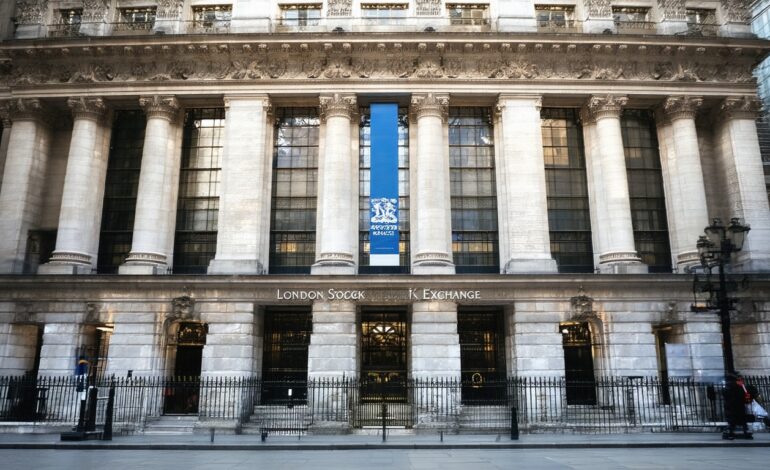
The London Stock Exchange (LSE) stands as one of the world’s oldest and most influential financial markets. Located at the heart of London’s financial district, it not only reflects over 300 years of history but also shapes the trajectory of global capital flows and corporate finance. As economies adapt to digital innovation, regulatory shifts, and shifting investor priorities, the LSE remains central—a barometer for both established multinationals and ambitious startups seeking visibility and capital.
Today, with its multi-asset offerings and internationally diverse listings, the LSE serves as a gateway connecting investors to a wide range of sectors, geographies, and asset classes. To understand its current significance, it’s necessary to examine the structure of its listings, its trading mechanisms, and the trends driving its evolution.
Market Structure and Global Influence
A Diverse Marketplace Anchored in Tradition and Innovation
The LSE operates through several distinct segments, most notably the Main Market and the Alternative Investment Market (AIM). The Main Market hosts major blue-chip companies—think AstraZeneca, HSBC, and Unilever—while AIM caters to smaller, high-growth firms seeking expansion capital with more flexible listing requirements.
This structure ensures the LSE’s appeal across the spectrum:
- Main Market: Flagship for established multinationals and FTSE 100 index constituents, offering prestige and liquidity.
- AIM: Launchpad for growth companies and international entrants, often favored for its proportional regulatory burden.
Beyond these, the LSE’s integration with London’s robust financial ecosystem—including deep pools of legal, accounting, and advisory expertise—has consistently attracted issuers from over 100 countries. Its international flavor is evident: many listings are from overseas corporations, seeking access to one of the world’s largest investor communities.
“The London Stock Exchange is a pivotal gateway for companies aiming to tap into global capital—its draw is the blend of deep expertise, liquidity, and global investor reach,” notes a leading capital markets strategist at a major UK investment bank.
Leading Indices and Benchmarks
The most widely tracked indicator of the LSE’s health is the FTSE 100, home to the UK’s top 100 listed companies by market capitalization. However, a suite of other indices—such as the FTSE 250 and FTSE AIM All-Share—offer granular views on mid-cap and small-cap activity and often signal broader shifts in risk appetite among investors.
Listing on the London Stock Exchange
Listing Criteria and Pathways
Companies aspiring for a London listing must choose the market segment that aligns with their stage and strategic goals. The Main Market demands rigorous adherence to corporate governance, minimum market capitalization thresholds, and a multi-year financial track record. AIM, in contrast, provides a more flexible framework, supporting innovation and risk-taking.
Key listing requirements include:
- Robust financial disclosures and prospectus approvals
- Appointment of authorized sponsors (Main Market) or nominated advisors (AIM)
- Ongoing obligations around reporting, transparency, and shareholder engagement
Global and Domestic Listings: Case Examples
Over the past decade, the LSE has witnessed a stream of high-profile debuts from both UK-based and foreign entities. Consumer giants like Diageo and energy behemoths such as BP continue to anchor domestic capital markets. Simultaneously, cross-border listings—from Eastern Europe, Africa, and Southeast Asia—underscore London’s enduring appeal in an era when U.S. and Asian exchanges are fiercely competitive.
For example, fast-growing technology and fintech companies often select AIM to raise capital while maintaining strategic flexibility. In 2021, a notable fintech startup leveraged AIM’s lighter touch to accelerate its expansion strategy, attracting support from global funds keen on exposure to the UK tech sector.
Trading Dynamics and Investor Insights
How Trading Works on the LSE
Trading on the London Stock Exchange is characterized by efficient systems, robust liquidity, and a blend of traditional and electronic platforms. The LSE’s principal trading venue, SETS, facilitates order-driven trading in the largest and most liquid stocks. Trading hours generally run from 8:00 a.m. to 4:30 p.m. UK time, synchronized with global financial markets to maximize overlap and cross-border activity.
Settlement and Post-Trade Infrastructure
Post-trade, settlement is managed by the CREST system, a central securities depository that ensures safe and timely transfer of ownership. Trade settlement typically occurs on a T+2 basis (two business days after a transaction), aligning London with major global markets.
Evolving Liquidity and Market Trends
Liquidity remains a key reason for the LSE’s magnetism among institutional and retail investors alike. Over recent years, the exchange has invested in lowering transaction costs, introducing faster clearing protocols, and embracing technological upgrades that support algorithmic and high-frequency trading.
However, the LSE faces headwinds:
- Global Competition: New York and Hong Kong exchanges aggressively court both issuers and investors, driving a competitive environment.
- Post-Brexit Shifts: The UK’s departure from the EU introduced uncertainties, but London has largely retained its status as a financial center, buoyed by regulatory flexibility and its depth of expertise.
- ESG and Sustainability Demand: The rise of environmental, social, and governance (ESG) criteria has led to new LSE initiatives. The exchange has expanded its sustainable investment offerings through green bonds, ESG benchmarks, and dedicated reporting frameworks.
Notable Trends and Future Directions
A key trend in recent years is the shift of technology firms—historically drawn to NASDAQ or NYSE—now considering London for IPOs amid proactive rule changes. The LSE’s push to attract more SPACs (special purpose acquisition companies) and streamline admission criteria aims to ensure the exchange remains relevant in the evolving global landscape.
“London’s willingness to evolve its listing regime, especially for fast-growing sectors like tech and renewables, has been critical in maintaining its global competitive edge,” says a senior partner in financial consulting.
Technology, Regulation, and Sustainability
Digitization and Technological Progress
The LSE has adopted digital tools to modernize operations and support new forms of trading:
- Algorithmic trading makes up a substantial portion of daily volume.
- Advanced analytics and surveillance technologies underpin market integrity.
- Blockchain experimentation hints at future settlement solutions.
Regulatory Shifts: Protecting Investors and Supporting Innovation
Regulators have balanced initiatives to attract listings with robust investor safeguards. New rules propose simplified prospectus regimes and easier SPAC access, but core investor protections remain. The FCA (Financial Conduct Authority) and LSE work closely to ensure that London’s reputation for transparency and fairness endures.
Green Finance and ESG Leadership
Increasingly, companies are drawn to the LSE’s leadership in green finance. The launch of dedicated Green Economy Mark distinctions and an expanding green bond market demonstrate London’s commitment to supporting the low-carbon transition. Many UK and international funds now factor ESG rankings from LSE-listed companies into portfolio decisions.
Conclusion: A Market Defined by Resilience and Adaptation
The London Stock Exchange continues to be a linchpin in global capital markets, adapting to a fast-changing world without losing sight of its foundational strengths—transparency, deep liquidity, and global reach. For issuers, investors, and policymakers, the LSE remains a marketplace where tradition meets innovation, offering robust opportunities in both established and emerging sectors.
Looking ahead, its ability to evolve—in regulation, technology, and sustainability—will determine how well it retains its central role. As global finance pivots to new realities, the LSE’s depth, diversity, and dynamism make it a critical focal point for anyone navigating the interconnected world of modern capital markets.
FAQs
What are the main market segments of the London Stock Exchange?
The LSE consists mainly of the Main Market, which hosts large, established companies, and the Alternative Investment Market (AIM), designed for smaller and high-growth firms.
How can a company get listed on the London Stock Exchange?
A company must meet specific disclosure, financial, and governance requirements, with stricter criteria for the Main Market and more flexible rules for AIM. This includes submitting a prospectus, ongoing reporting, and appointing sponsors or nominated advisors.
What is the FTSE 100, and why is it important?
The FTSE 100 is a leading stock index comprising the 100 largest companies listed on the LSE by market capitalization. It serves as a key indicator of the health of the UK equity market.
What trading hours does the LSE operate?
The LSE generally operates from 8:00 a.m. to 4:30 p.m. UK time on business days, with systems in place to maximize overlap with other global markets.
How does the LSE support sustainable finance?
The LSE offers green bonds, ESG-focused indices, and awards like the Green Economy Mark to encourage sustainable investment and align with the global push toward responsible finance.
How has Brexit impacted the London Stock Exchange?
While Brexit introduced some regulatory uncertainties, the LSE has largely maintained its international appeal, leveraging London’s established financial ecosystem and proactive market reforms.