Best Crypto to Buy Now: High-Growth Coins for 2024


The crypto market in 2024 is a weird place right now. Prices move violently, regulators keep threatening to crack down, and there’s a new “revolutionary” blockchain launching every week. But beneath the chaos, digital assets are slowly becoming something real—something institutional money is actually taking seriously.
This guide breaks down the top cryptocurrencies worth watching this year. I’ll look at what they actually do, where they stand in the market, and what could go wrong. None of this is financial advice. I’m just a person who’s been following this space for years, and I’ve seen enough hype cycles to know that “to the moon” usually means “wait three months.”
The 2024 Crypto Landscape
Crypto has matured significantly. We’re not just seeing speculative trading anymore—we’ve got actual regulatory frameworks taking shape in major economies, and spot Bitcoin ETFs in the US have opened the door for mainstream investors to get exposure without touching crypto directly.
The big shift this cycle? Traditional financial institutions are actually involved. They’re not just dabbling—they’re pricing assets, offering custody, and treating crypto like a real asset class. This changes the game in ways that matter.
But let me be clear: crypto is still wildly volatile. You can lose everything. Past performance means nothing. If you’re thinking about investing, understand that you’re playing a high-stakes game where the rules keep changing.
Bitcoin (BTC): The Anchor
Bitcoin isn’t going anywhere. It controls roughly half of the total crypto market cap, and after fifteen years, it’s the most battle-tested digital asset we have. The supply is capped at 21 million coins—there’s no central bank that can print more when things get tough.
The April 2024 halving cut the block reward from 6.25 BTC to 3.125 BTC. Historically, these events create supply squeezes that precede major price runs. We’ll see if history repeats.
Institutional adoption accelerated through spot ETFs. Companies like BlackRock and Fidelity offering Bitcoin funds means regular investors can get exposure through their 401(k)s. That’s a massive shift from even two years ago.
Bitcoin also has the Lightning Network developing in the background—Layer 2 tech that could make BTC viable for everyday purchases. Some corporations have added it to their treasuries. Countries are wrestling with regulatory frameworks.
The catch? Bitcoin still swings 5-10% in a day regularly. Regulatory threats linger. And it’s not doing anything “new”—it’s still just a digital gold narrative, for better or worse.
Ethereum (ETH): The Smart Contract King
Ethereum runs most of the decentralized apps, NFTs, and DeFi protocols you’ve heard about. It’s the backbone of the crypto economy.
The Merge in 2022 switched Ethereum to proof-of-stake, cutting energy use dramatically. Recent upgrades have improved speed and reduced costs. The Layer 2 ecosystem—Arbitrum, Optimism, Base—has matured, making transactions actually affordable.
Ether serves multiple purposes: paying fees, staking for rewards, and collateralizing DeFi positions. The developer community is massive, and the network effects are hard to overstate.
Institutional interest is growing through futures products and corporate adoption. But competition is real. Faster, cheaper blockchains are eating into Ethereum’s territory, and regulators are watching DeFi closely.
Solana (SOL): Speed at What Cost?
Solana made a name for itself by being fast and cheap. Its proof-of-history mechanism processes thousands of transactions per second—way more than Ethereum can handle.
The network had a rough 2022-2023. Multiple outages shook confidence. But the team recovered, improved stability, and the ecosystem has actually grown. Major DeFi protocols and NFT platforms are building there now. Some developers cite performance advantages and lower fees as reasons to migrate.
Solana’s price jumped significantly as adoption improved. But it’s still a younger platform with a shorter track record. The competitive landscape shifts fast—one hack or outage could change everything.
Cardano (ADA): The Academic Project
Cardano takes a research-first approach. Academic peer review informs protocol design, which sounds great until you realize it takes forever to ship features.
The platform has a working ecosystem—DeFi, stablecoins, dApps—but adoption hasn’t taken off the way supporters hoped. The methodical approach means fewer surprises, but also slower progress compared to competitors.
Cardano’s proof-of-stake system, Ouroboros, has formal verification—mathematical proofs of security that most blockchains don’t have. That’s genuinely impressive from a technical standpoint.
Lower fees make it attractive for users in regions with less developed banking infrastructure. Whether that drives real adoption or remains theoretical depends on continued development.
Polygon (MATIC): Ethereum’s Workhorse
Polygon started as a simple scaling solution and evolved into a comprehensive toolkit. It offers Layer 2 rollups, standalone chains, and zero-knowledge tech that could scale Ethereum significantly.
Major brands use Polygon—Starbucks, Adidas, gaming companies. That’s real adoption, not just hype.
The zkEVM launch is their bet on long-term scaling. It could handle way more transactions while keeping things decentralized.
But the Layer 2 space is crowded. Arbitrum, Optimism, Base—they’re all competing for the same users. Polygon’s early mover advantage and enterprise connections help, but this race is far from over.
What Could Go Wrong
Let me be real about the risks here.
Volatility is extreme. Daily moves of 5-10% happen regularly. Leverage amplifies losses fast.
Regulatory uncertainty is constant. The SEC keeps cracking down on projects it deems securities. Different countries have wildly different approaches. A regulatory shift in a major market could tank prices overnight.
Technical risks are real. Smart contract bugs have stolen billions. Network outages happen. Forgetting a password or losing a hardware wallet means permanent loss—there’s no “forgot password” option in crypto.
Liquidity matters for smaller tokens. You might own something that’s “worth” a million dollars but can’t sell it because no one’s buying. Even Bitcoin and Ethereum have experienced liquidity crunches during market stress.
How to Actually Approach This
Don’t yolo your life savings. Figure out your thesis before buying—why you think something will go up, what would make you sell, how long you can hold.
Dollar-cost averaging helps smooth out timing risk. Investing $100 every two weeks beats trying to time the bottom. It buys more when cheap, less when expensive.
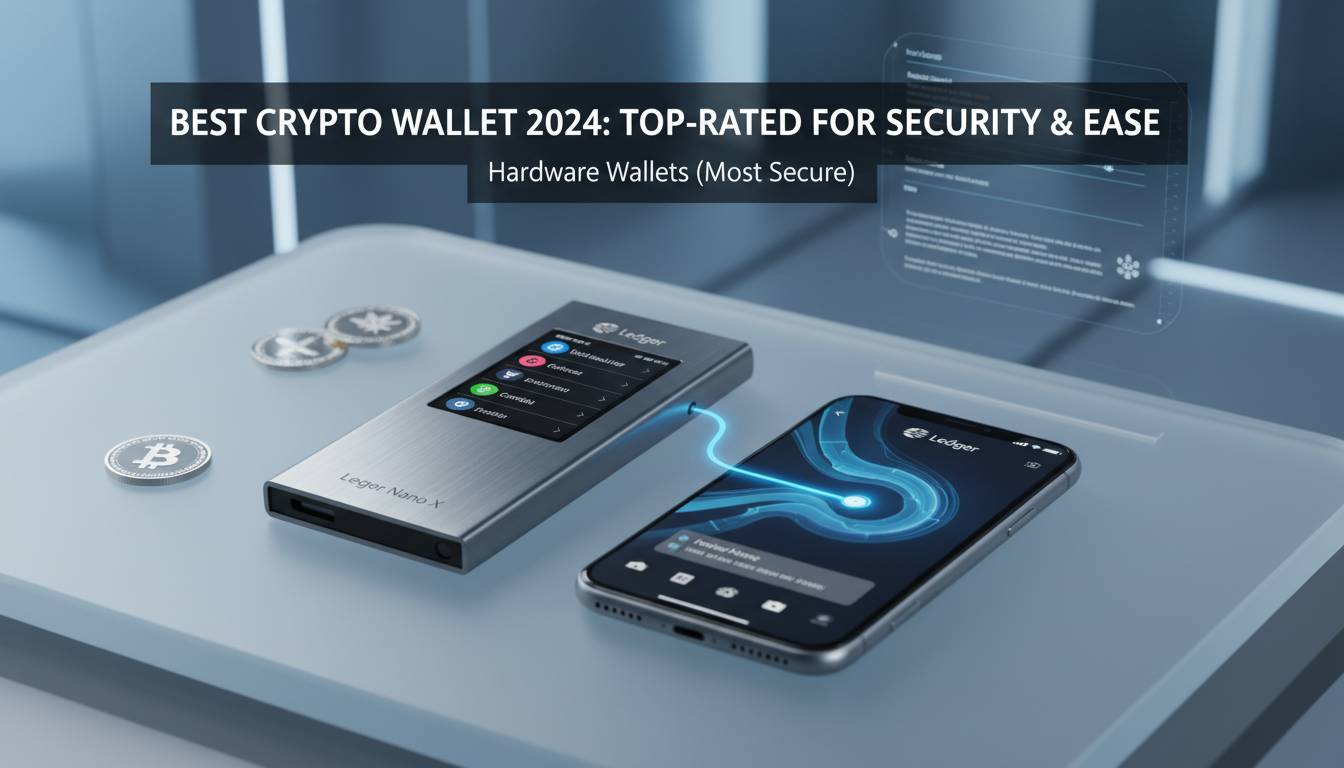
Security is non-negotiable. Hardware wallets for serious money. Reputable exchanges with track records for smaller positions. Never share your seed phrase with anyone—real support staff will never ask for it.
Stay informed, but don’t doom-scroll every tweet. The market moves fast, but panic selling is how people lose money. Tune out the noise, stick to your plan.
Common Questions
Is now a good time to buy?
Nobody knows. Bitcoin has institutional support now, which is different from past cycles. But timing this market is nearly impossible. Only invest what you can afford to lose entirely.
What’s the “safest” crypto?
Bitcoin and Ethereum are the least risky by market cap and track record. But “least risky” in crypto still means extreme volatility. Nothing here is safe in any traditional sense.
How much should I allocate?
Most financial pros suggest 1-5% of a diversified portfolio—if that. Crypto should be money you’re genuinely okay losing. If you’d miss rent money, don’t put it here.
What’s the highest growth potential?
Lower-cap coins have more room to run, but that’s just another way of saying they’re riskier. Solana, Cardano, Layer 2 tokens—these could 10x, or they could go to zero. The potential is directly tied to the risk.
Should I buy Bitcoin at these prices?
Depends on your situation. Long-term holders have historically done well, but there’s no guarantee. Do your own research, maybe talk to someone who isn’t trying to sell you something.
How do I actually start?
Open an account on a reputable exchange (Coinbase, Kraken, Gemini), verify your identity, fund it with bank transfer, and buy. Start small with BTC or ETH before exploring altcoins.
Bottom Line
Crypto in 2024 offers real opportunities—but it’s not a get-rich-quick scheme. Bitcoin and Ethereum are the foundations. Solana and Polygon give you growth exposure to high-performance platforms. Cardano is the technically-sound-but-slow option.
The market will keep evolving. Regulations will clarify. New technologies will emerge. Old leaders will fall. Success here requires patience, discipline, and realistic expectations about risk.
Don’t invest money you need. Don’t chase hype. Don’t ignore security. The people who last in this space are the ones who treat it like a serious investment rather than a casino.
This article is educational only. Not financial advice. Crypto is risky—seriously risky. Talk to professionals if you’re uncertain.