Bitcoin ATM Near Me – Find Closest Location & Fees

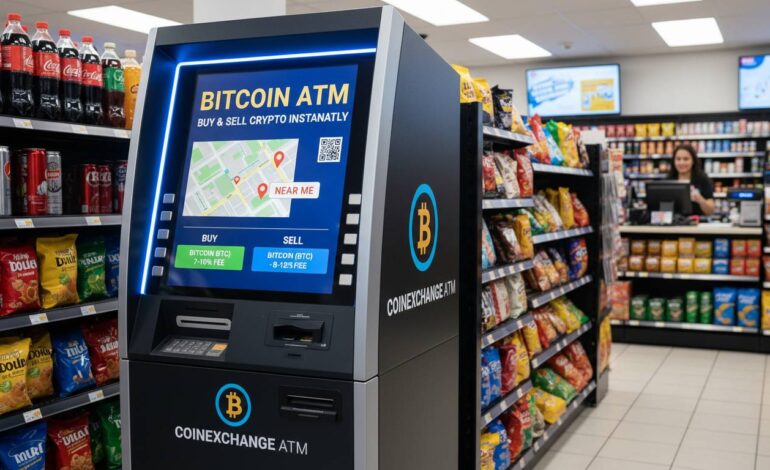
Finding a Bitcoin ATM nearby has become increasingly important as cryptocurrency adoption grows across the United States. Whether you need quick access to Bitcoin without linking a bank account or prefer the privacy of cash transactions, understanding how to locate and use these machines effectively can save you time and money. This comprehensive guide covers everything from finding the nearest Bitcoin ATM to understanding fee structures, security considerations, and practical tips for first-time users.
What Is a Bitcoin ATM and How Does It Work
A Bitcoin ATM (Automated Teller Machine) is a specialized kiosk that allows users to buy or sell Bitcoin using cash. Unlike traditional ATMs connected to bank accounts, Bitcoin ATMs connect directly to cryptocurrency exchanges and blockchain networks to facilitate transactions. These machines have proliferated across the United States, with over 30,000 Bitcoin ATMs installed as of 2024, representing roughly 80% of global Bitcoin ATM installations.
The basic functionality works in two directions: buying Bitcoin sends cryptocurrency to your digital wallet, while selling Bitcoin converts your crypto to cash that you withdraw from the machine. Most Bitcoin ATMs operate as one-way machines, meaning they only allow purchases, though two-way machines are becoming more common in major metropolitan areas.
When you approach a Bitcoin ATM, you’ll typically encounter a touchscreen interface guiding you through the transaction process. The machine generates a unique wallet address for your transaction, accepts your cash deposit, and then transfers the equivalent Bitcoin value to your designated wallet. For selling Bitcoin, the process reverses—you scan a QR code from your wallet, confirm the amount, and receive cash after the transaction processes on the blockchain.
Transaction speeds vary based on network congestion, but most Bitcoin ATM transactions complete within 10-30 minutes for purchases. Verification requirements depend on transaction size, with smaller purchases often requiring only a phone number, while larger transactions necessitate government-issued identification.
How to Find a Bitcoin ATM Near You
Locating a Bitcoin ATM in your vicinity requires specialized locator tools since these machines aren’t displayed on standard mapping applications. Several comprehensive databases aggregate Bitcoin ATM locations across the United States, providing real-time information about availability, operators, and machine capabilities.
Primary Location Finders:
The most reliable resources include Coin ATM Radar, which maintains a global database of over 10,000 Bitcoin ATMs with detailed information about each location, including operator, fees, verification requirements, and user reviews. Bitcoin Depot and CoinMe also offer proprietary locators showing their respective machine networks. Google Maps has improved its cryptocurrency ATM integration, though third-party aggregators remain more comprehensive.
When using these locators, consider several factors affecting your experience. Operating hours vary significantly—machines in retail environments like gas stations typically follow store hours, while standalone installations in convenience stores or dedicated crypto kiosks may operate 24/7. Machine availability can change, so calling ahead or checking real-time status indicators when possible helps avoid wasted trips.
Geographic distribution heavily favors urban areas, with California, Texas, Florida, and New York hosting the highest concentrations of Bitcoin ATMs. Rural areas may require significant travel to access the nearest machine, making online exchanges more practical despite their longer account setup process.
| Location Type | Density | Typical Hours | Verification Level |
|---|---|---|---|
| Gas Stations | High | Store hours | Phone/ID dependent |
| Convenience Stores | High | Often 24/7 | Phone/ID dependent |
| Shopping Malls | Medium | Mall hours | ID required |
| Dedicated Kiosks | Medium | Extended/24/7 | ID required |
| grocery Stores | Medium | Store hours | Phone/ID dependent |
Bitcoin ATM Fees and Limits Explained
Bitcoin ATM fees represent the primary trade-off for convenience and privacy. These machines consistently charge higher rates than online cryptocurrency exchanges, with fee structures varying significantly between operators and transaction sizes. Understanding these costs prevents unpleasant surprises and helps you determine whether Bitcoin ATM transactions make sense for your situation.
Fee Structures:
Most Bitcoin ATMs charge a percentage-based fee ranging from 6% to 20% of the transaction amount, with the industry average hovering around 11-12%. This markup includes both the operator’s profit margin and costs associated with liquidity, compliance, and machine maintenance. Some operators also impose flat fees ranging from $2 to $5 on smaller transactions, making larger transactions proportionally more cost-effective.
Bitcoin Depot typically charges 11-12% for purchases, while CoinMe ranges from 8-16% depending on location and verification level. CoinFlip offers competitive rates starting at 6.99% for verified transactions, though their unverified limits are more restrictive. Local operators in smaller markets sometimes charge premium rates exceeding 15% due to lower transaction volumes and operational costs.
Transaction limits vary substantially based on verification tier. Unverified transactions typically cap at $300-$500 daily, while fully verified accounts may access limits of $10,000-$50,000 daily depending on the operator. These limits exist for regulatory compliance and fraud prevention, with Know Your Customer (KYC) requirements intensifying as transaction values increase.
| Operator | Purchase Fee | Sell Fee | Daily Limit (Verified) | Daily Limit (Unverified) |
|---|---|---|---|---|
| Bitcoin Depot | 11-12% | 8-9% | $50,000 | $300 |
| CoinMe | 8-16% | 6-10% | $30,000 | $500 |
| CoinFlip | 6.99-12.99% | 4-6% | $20,000 | $300 |
| Coinsource | 10-15% | 8-12% | $25,000 | $400 |
Hidden costs deserve attention beyond advertised fees. Exchange rate spreads—the difference between the Bitcoin ATM’s price and market rates—effectively add another 1-5% to your costs. Some operators also charge network fees for blockchain transactions, particularly for smaller transfers where fixed costs represent a larger percentage.
Top Bitcoin ATM Operators in the United States
The Bitcoin ATM landscape in the United States has consolidated around several major operators who collectively control the vast majority of machines. Understanding each operator’s strengths, weaknesses, and geographic presence helps you choose the most convenient and cost-effective option for your needs.
Bitcoin Depot operates the largest Bitcoin ATM network in North America with over 7,000 machines across the United States. Their machines are predominantly located in convenience stores and gas stations, offering extended availability and widespread geographic coverage. Bitcoin Depot provides both buy and sell functionality on most machines, with a dedicated mobile app streamlining the transaction process. Their verification system offers tiered options balancing convenience with privacy preferences.
CoinMe distinguishes itself through strategic partnerships with established retail chains, placing machines in Walmart stores and other high-traffic locations. Their wallet integration and mobile app provide a more polished user experience compared to some competitors. CoinMe’s recent expansion efforts have focused on underserved markets, potentially offering better availability in areas other operators neglect.
CoinFlip has positioned itself as the budget-conscious option, consistently offering some of the lowest fees in the industry alongside excellent customer service. Their machines are known for reliability and intuitive interfaces. CoinFlip maintains robust verification options allowing users to start with minimal information and upgrade as needed.
Coinsource targets the premium segment, offering premium customer support and higher transaction limits in exchange for slightly elevated fees. Their machines feature enhanced security measures and better maintenance, reducing downtime and transaction failures.
Regional operators provide alternatives where major networks haven’t established presence. These independent machines often charge higher fees but serve communities otherwise lacking cryptocurrency access. Checking local options through Coin ATM Radar reveals operators specific to your area.
Step-by-Step Guide to Using a Bitcoin ATM
The Bitcoin ATM transaction process follows a consistent pattern across operators, though specific steps vary slightly between machines. Preparing properly ensures smooth transactions and prevents common pitfalls that frustrate first-time users.
Preparation:
Before approaching a Bitcoin ATM, download a cryptocurrency wallet capable of receiving Bitcoin. Mobile wallets like Cash App, Coinbase Wallet, or Trust Wallet provide sufficient functionality for most users. Generate a receiving address from your wallet—you’ll need to scan a QR code at the machine. Ensure your phone has internet connectivity for receiving the transaction confirmation.
For selling Bitcoin, prepare your wallet with the amount you intend to sell and ensure you have a receiving method for cash (most machines dispense in USD). Some operators require you to initiate the sell transaction through their app before approaching the machine, so checking the specific operator’s process beforehand prevents confusion.
Purchase Process:
-
Select “Buy Bitcoin” from the home screen and choose Bitcoin as your cryptocurrency (some machines offer other options like Ethereum or Litecoin)
-
Choose verification level based on your transaction amount—phone verification works for smaller purchases, while ID verification unlocks higher limits
-
Enter your phone number if using phone verification, or scan your government ID for higher verification tiers
-
Input wallet address by scanning the QR code from your mobile wallet—this is the most common point of failure, so double-check the address matches exactly
-
Insert cash in denominations the machine accepts—most accept $5, $10, $20, $50, and $100 bills, though some machines have restrictions
-
Confirm transaction after reviewing the total including fees—the machine displays the Bitcoin amount you’ll receive at the current exchange rate plus all charges
-
Wait for confirmation while the machine processes your transaction on the blockchain; this typically takes 10-30 minutes but can extend during network congestion
-
Collect receipt showing transaction ID and expected processing time—retain this until you confirm Bitcoin arrival in your wallet
Troubleshooting:
Common issues include rejected bills (often due to damage or non-accepted denominations), failed verification (ensure proper ID formatting and lighting), and wallet address errors (always verify the scanned address matches your wallet). If problems persist, most operators provide customer support through the machine interface or their mobile app.
Bitcoin ATM Pros and Cons
Weighing advantages against disadvantages helps determine whether Bitcoin ATM transactions suit your specific situation. The convenience factor must be balanced against cost considerations and practical limitations.
Advantages:
Speed represents the primary benefit—Bitcoin ATM transactions complete within minutes compared to the days required for bank transfers on traditional exchanges. Cash accessibility removes banking system dependencies, proving valuable for unbanked individuals or those preferring not to link financial accounts. Privacy options exist for smaller transactions where phone verification provides sufficient identity confirmation without full KYC documentation. Geographic accessibility continues improving with rapid operator expansion, particularly in urban areas where machines appear on nearly every block.
Disadvantages:
Fees constitute the most significant drawback, with 10-12% average costs far exceeding online exchange rates. Limited transaction sizes constrain large-scale Bitcoin purchases, with daily caps even on verified accounts falling below what active traders require. Geographic concentration in urban areas leaves rural users underserved. Counterparty risk exists since you trust the operator to complete the blockchain transaction after receiving your cash—choosing reputable operators mitigates this concern.
| Factor | Bitcoin ATMs | Online Exchanges |
|---|---|---|
| Transaction Speed | Minutes | 1-5 days |
| Purchase Limits | $300-$50,000/day | Varies widely |
| Verification Required | Yes | Yes |
| Cash Payment Option | Yes | Limited |
| Privacy Level | Moderate | Low |
| Average Fees | 10-12% | 1-2% |
Security Considerations for Bitcoin ATM Users
Protecting your funds and personal information requires awareness of security risks specific to Bitcoin ATM usage. Both physical and digital threats merit consideration when regularly using these machines.
Physical Security:
When using Bitcoin ATMs in public locations, be aware of your surroundings and avoid transactions when suspicious individuals are present. Some machines have privacy screens preventing shoulder surfing, but positioning yourself to block views remains advisable. Avoid discussing transaction amounts or wallet contents aloud. Consider varying your routine when using machines frequently from the same location.
Cash handling requires attention—count your bills before inserting them, keep transaction receipts, and avoid displaying large amounts of cash after withdrawal. Machines in well-lit, high-traffic areas offer better security than isolated installations.
Digital Security:
Your wallet security directly impacts Bitcoin ATM transaction safety. Enable two-factor authentication on any wallet linked to ATM transactions. Use hardware wallets for significant holdings rather than mobile wallets with lesser security. Verify the Bitcoin ATM operator’s website and app are legitimate before downloading—scammers create fake apps collecting wallet credentials.
Phishing attempts targeting Bitcoin ATM users have increased, with scam calls or messages claiming transaction problems and requesting sensitive information. Legitimate operators never ask for your wallet seed phrase or private keys. If contacted about ATM transaction issues, hang up and contact the operator directly through official channels.
Transaction Verification:
Always verify completed transactions on a blockchain explorer using your transaction ID from the receipt. Wait for network confirmations before considering funds fully received—single confirmation suffices for most ATM transactions, though exchanges often require more confirmations before crediting accounts. Monitor your wallet for unexpected transactions or unauthorized access attempts following ATM usage.
Conclusion
Bitcoin ATMs provide valuable cryptocurrency access for users prioritizing convenience, privacy, or cash transactions over cost efficiency. The ability to buy Bitcoin within minutes using cash—without bank account dependencies—fills an important niche in the cryptocurrency ecosystem. Understanding fee structures, operator differences, and security practices enables informed decisions about when Bitcoin ATM usage makes sense.
For occasional small purchases where speed matters more than cost savings, Bitcoin ATMs offer unmatched convenience. Frequent or large-volume buyers should consider online exchanges despite longer processing times—the 10%+ fee savings compound significantly at scale. As the industry matures, expect continued geographic expansion, potential fee competition, and enhanced features making Bitcoin ATMs increasingly accessible while maintaining their fundamental value proposition: immediate cash-to-crypto conversion without traditional financial intermediaries.
Frequently Asked Questions
What is the average fee for using a Bitcoin ATM?
Bitcoin ATM fees typically range from 6% to 20%, with the industry average around 11-12%. This includes both the operator’s markup and exchange rate spreads. Larger transactions often qualify for lower percentage fees, while smaller purchases may incur flat fees making them proportionally more expensive.
Do Bitcoin ATMs require ID verification?
Verification requirements depend on transaction size. Small purchases under $300-$500 typically only require phone number verification. Larger transactions require government-issued ID, and the highest limits demand full Know Your Customer (KYC) documentation including Social Security number and proof of address.
How long do Bitcoin ATM transactions take?
Most Bitcoin ATM purchases complete within 10-30 minutes after confirmation. The blockchain network processes the transaction, with timing dependent on current network congestion. Some operators hold funds until confirmations complete, extending wait times during busy periods.
Can I sell Bitcoin at a Bitcoin ATM?
Yes, many Bitcoin ATMs offer two-way functionality allowing both purchases and sales. The sell process involves scanning a QR code from your wallet containing the Bitcoin you want to sell, confirming the amount, and receiving cash dispensed by the machine after blockchain confirmation.
Are Bitcoin ATMs safe to use?
Reputable Bitcoin ATM operators implement security measures including surveillance, encrypted transactions, and compliance with financial regulations. However, users should verify operators, protect wallet credentials, and follow basic physical security practices. Using well-lit, high-traffic locations and avoiding discussions of transaction amounts enhances safety.
How much Bitcoin can I buy at a Bitcoin ATM daily?
Daily limits vary by operator and verification level. Unverified accounts typically allow $300-$500 daily purchases. Fully verified accounts can access $20,000-$50,000 daily depending on the operator. These limits reset on a 24-hour cycle.