How Does Crypto Gambling Work? Complete Guide


Crypto gambling represents a convergence of cryptocurrency technology and online betting platforms, creating a digital ecosystem where players wager using Bitcoin, Ethereum, and other cryptocurrencies rather than traditional fiat currencies. This comprehensive guide explains the mechanics, types, advantages, and considerations involved in crypto gambling so you can understand how these platforms operate.
Key Insights
– Crypto gambling platforms process an estimated $80 billion in annual wagers globally
– Over 400 crypto-exclusive gambling sites operate worldwide, with most accepting Bitcoin, Ethereum, and stablecoins
– Transaction speeds average 10 minutes for Bitcoin versus 3-5 business days for traditional banking methods
– Provably fair technology allows players to verify the randomness of each bet’s outcome independently
What Is Crypto Gambling and How Does It Differ from Traditional Online Gambling
Crypto gambling refers to betting platforms that accept cryptocurrency as a primary payment method, allowing users to deposit, wager, and withdraw funds using digital currencies. These platforms function similarly to traditional online casinos and sportsbooks but leverage blockchain technology for financial transactions and game outcomes.
The fundamental distinction lies in the underlying infrastructure. Traditional online gambling relies on centralized servers, conventional banking networks, and proprietary random number generators. Crypto gambling platforms, conversely, utilize decentralized ledger technology, smart contracts where applicable, and cryptographic verification methods that create unprecedented transparency.
When you engage with a crypto gambling site, you interact with a platform that maintains a cryptocurrency wallet address rather than a bank account. Your digital tokens move directly from your personal wallet to the platform’s wallet, cutting out intermediaries like payment processors and banks. This peer-to-peer transfer mechanism fundamentally alters the relationship between player and platform, reducing transaction costs and processing times substantially.
Most crypto gambling platforms operate under licenses from jurisdictions like Curaçao, Malta, or Kahnawake, though regulatory frameworks vary significantly across different regions. The anonymous or pseudonymous nature of cryptocurrency transactions adds another layer of complexity that distinguishes this industry from its traditional counterpart.
The Technical Mechanics: How Crypto Gambling Platforms Function
Understanding the technical infrastructure reveals why crypto gambling has grown so rapidly. The process begins when you create an account on a gambling platform and generate a unique wallet deposit address. This address functions as your destination for sending cryptocurrency from your personal wallet, whether that’s a hardware device, mobile app, or exchange wallet.
Once your deposit confirms on the blockchain—a process taking anywhere from seconds for some coins to over an hour for Bitcoin during congested periods—your account balance updates to reflect the converted value in the platform’s internal currency system. Most platforms display balances in both cryptocurrency and a USD equivalent, though some operate exclusively in crypto denominations.
The wagering process itself mirrors traditional online gambling in many respects. You select games including slots, poker, blackjack, roulette, or sports betting markets, place bets using your deposited funds, and receive payouts based on game outcomes. Where crypto gambling distinguishes itself is in the verification and payout mechanisms.
Provably fair systems represent one of the most significant technical innovations in this space. Unlike traditional platforms where you must trust the operator’s random number generator, provably fair algorithms allow players to independently verify that each game result was generated fairly. This works through cryptographic hashing—you receive a server seed, combine it with your client seed, and can mathematically prove the outcome wasn’t manipulated after the fact.
Withdrawal processing differs dramatically from traditional online gambling. When you request a payout, the platform transfers cryptocurrency directly to your specified wallet address. Blockchain confirmations provide finality within minutes to hours rather than the days or weeks typical with bank transfers. The absence of banking intermediaries means withdrawals rarely face the chargebacks and fraud investigations that plague traditional payment methods—a factor that makes crypto gambling particularly attractive to operators but raises concerns about player protection.
Types of Crypto Gambling Platforms and Games Available
The crypto gambling ecosystem encompasses several distinct platform categories, each offering different experiences and risk profiles.
Crypto casinos represent the largest segment, functioning as direct digital replacements for traditional brick-and-mortar and online casinos. These platforms offer comprehensive game libraries including slot machines, table games, live dealer experiences, and video poker. Leading crypto casinos like BitStarz, mBit Casino, and 7Bit Casino host thousands of titles from providers like NetEnt, Evolution Gaming, and Pragmatic Play, adapted to accept cryptocurrency wagers.
Sports betting platforms allow users to wager on sporting events, esports competitions, and other outcomes using cryptocurrency. These range from crypto-native operators like Cloudbet and BetOnline to established sportsbooks that have added cryptocurrency payment options. Wagering markets span major professional leagues, international competitions, and niche events often unavailable through traditional sportsbooks.
Poker rooms in the crypto space operate similarly to mainstream online poker platforms, offering Texas Hold’em, Omaha, and other variants with cryptocurrency buy-ins and payouts. Some platforms like Ignition and Bovada have long accepted cryptocurrency, while crypto-native poker sites have emerged to serve players preferring digital assets.
Dice games and Crash games represent simpler options popular in the crypto gambling community. Dice games involve predicting whether a rolled number will fall above or below a chosen threshold, while crash games feature an increasing multiplier that “crashes” at random intervals—players must cash out before the crash to secure their winnings.
Prediction markets and binary options platforms allow users to bet on the outcomes of real-world events, from election results to financial market movements. These platforms often operate through smart contracts that automatically resolve bets based on predefined conditions.
The game selection continues expanding as operators recognize cryptocurrency users’ growing demand for diverse betting options. Many platforms now offer hybrid models combining casino games, sports betting, and other gambling products within unified interfaces.
Advantages and Disadvantages of Using Cryptocurrency for Gambling
Crypto gambling offers several compelling advantages that explain its rapid adoption among certain player segments.
| Advantage | Impact | Details |
|---|---|---|
| Faster Transactions | High | Deposits confirm within minutes; withdrawals process within hours rather than days |
| Lower Fees | Significant | Eliminates payment processor fees averaging 3-6% on traditional transactions |
| Privacy | Moderate | No bank involvement means no transaction records on personal statements |
| Provably Fair | High | Cryptographic verification creates transparency impossible in traditional gambling |
| Accessibility | Moderate | No banking approval needed; anyone with cryptocurrency can gamble |
| Lower Minimums | Moderate | Many platforms accept fractions of dollars in crypto value |
The transaction speed advantage proves particularly significant for players seeking quick access to winnings. Where traditional withdrawal requests might take 3-7 business days to reach your bank account, cryptocurrency transfers typically complete within the same day, often within hours.
However, significant disadvantages warrant honest acknowledgment. Volatility presents the most obvious risk—your cryptocurrency holdings can fluctuate substantially in USD value between deposit and withdrawal. A winning session could become a loss if Bitcoin’s price drops significantly during your gambling session. Some players mitigate this by converting to stablecoins like USDC or USDT immediately upon winning.
Regulatory uncertainty creates complications that traditional gambling rarely presents. The legal status of crypto gambling varies dramatically by jurisdiction, and players bear responsibility for understanding their local laws. Unlike licensed traditional gambling operators who clearly operate within regulated frameworks, some crypto gambling sites operate in legal gray areas.
Limited chargeback protection protects operators but disadvantages players. Cryptocurrency transactions cannot be reversed, meaning if a platform refuses to pay winnings or engages in fraud, players have minimal recourse. This contrasts sharply with credit card gambling transactions that carry robust chargeback protections.
The learning curve required to safely store and transfer cryptocurrency presents another barrier. Players must understand wallet security, private keys, two-factor authentication, and blockchain fundamentals—knowledge unnecessary when using traditional payment methods.
Legal Considerations and Regulatory Landscape in the US
The legal status of crypto gambling in the United States presents a complex patchwork of federal and state regulations that create significant compliance challenges.
At the federal level, the Unlawful Internet Gambling Enforcement Act (UIGEA) of 2006 prohibits gambling businesses from knowingly accepting payments in connection with the unlawful internet gambling. However, this legislation focuses on the financial transaction rather than the gambling itself, and its application to cryptocurrency transactions remains somewhat unclear. The Department of Justice has historically interpreted federal law to prohibit online sports betting, though the Professional and Amateur Sports Protection Act (PASPA) was struck down by the Supreme Court in 2018, opening states to legalize sports betting at their discretion.
State regulations vary dramatically. Several states including New Jersey, Pennsylvania, Nevada, and Michigan have legalized and regulated online casino gambling and sports betting, though these typically exclude cryptocurrency-specific operators or impose restrictions on crypto payments. Other states maintain prohibition on various forms of online gambling.
Offshore crypto gambling sites operate in a particularly ambiguous legal space. These platforms accept US players despite potentially violating federal law, creating enforcement challenges. The Department of Justice has taken action against some offshore operators, though enforcement remains inconsistent.
For US players considering crypto gambling, several factors warrant consideration. First, cryptocurrency gambling winnings constitute taxable income regardless of the payment method, requiring reporting on federal tax returns. Second, players should verify whether their state permits online gambling activities before engaging. Third, the lack of regulatory oversight on offshore platforms creates substantial risk if disputes arise.
Players seeking legal alternatives should look for platforms licensed in jurisdictions with robust consumer protections and clear regulatory frameworks. Some licensed US operators now accept cryptocurrency for deposits and withdrawals, operating within established legal parameters.
Security, Safety, and Responsible Gambling Practices
Protecting yourself in the crypto gambling space requires understanding both cryptocurrency security fundamentals and responsible gambling practices.
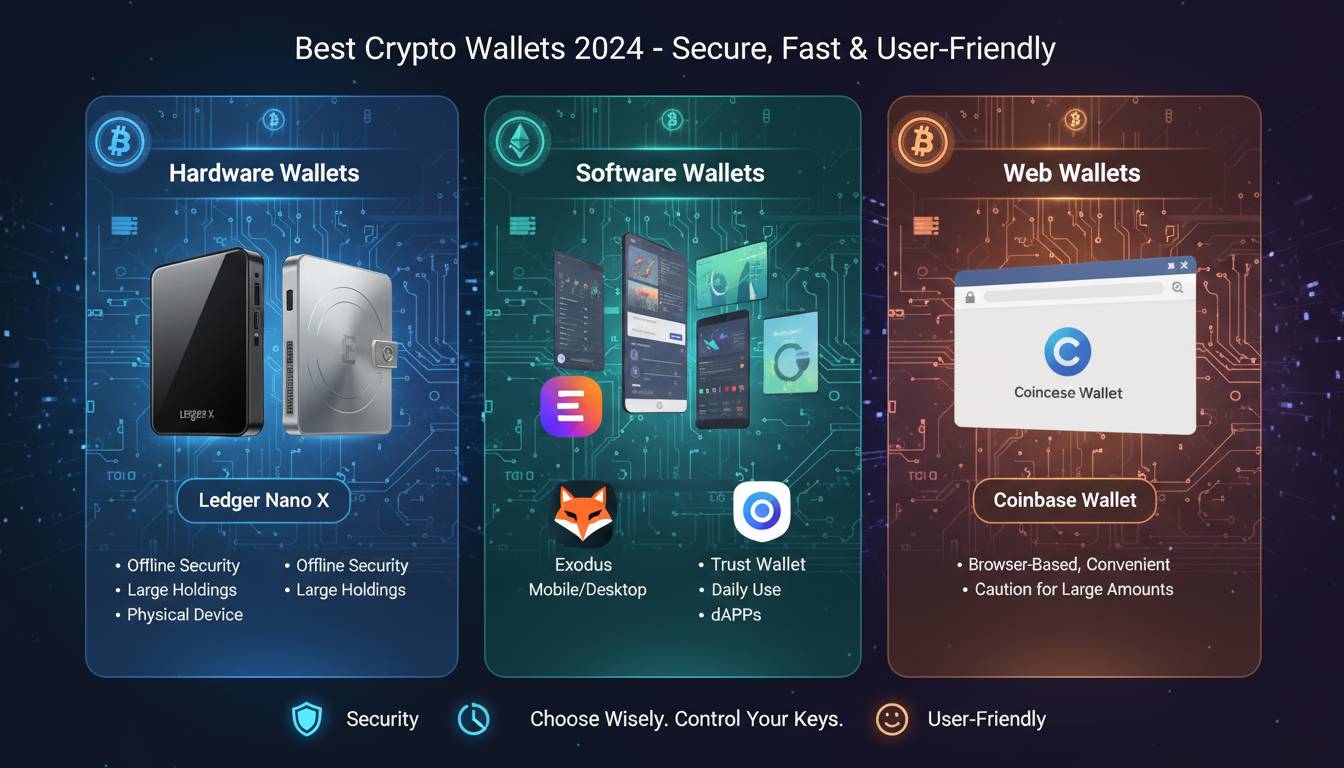
Wallet security forms the foundation of safe participation. Never keep gambling funds in exchange wallets, which remain vulnerable to hacks and insolvency. Use hardware wallets for significant cryptocurrency holdings, enable two-factor authentication on all accounts, and never share private keys with anyone. When depositing to gambling platforms, double-check wallet addresses—cryptocurrency transactions cannot be reversed, and mistyped addresses result in permanent loss.
Platform selection significantly impacts your safety. Research operator reputation through community reviews, verify licensing information, and confirm the platform’s security measures including SSL encryption and cold storage for funds. Reputable platforms like those operated by established gambling companies typically provide better player protection than anonymous operators.
Responsible gambling tools deserve serious attention despite often being overlooked. Crypto gambling’s fast pace and easy fund transfers can accelerate problematic behavior. Most reputable platforms offer deposit limits, loss limits, session reminders, and self-exclusion options. Using these tools proactively protects against financial harm.
Recognizing problem gambling warning signs helps maintain healthy engagement. Chasing losses, gambling beyond means, neglecting responsibilities, lying about gambling activity, and experiencing anxiety when not gambling all indicate potential issues requiring intervention.
Several organizations provide support for problem gambling including the National Council on Problem Gambling (1-800-522-4700) and Gamblers Anonymous. These resources remain available regardless of whether your gambling involves cryptocurrency or traditional currency.
Frequently Asked Questions
Is crypto gambling legal in the United States?
The legal status depends on your state and the specific activity. Several states have legalized online casino gambling and sports betting, while others prohibit most online gambling. Offshore crypto gambling sites exist in a legal gray area. You should verify your state’s regulations and understand that using offshore platforms carries legal and practical risks.
How do provably fair systems work?
Provably fair systems use cryptographic hashing to allow independent verification of game outcomes. The platform provides a server seed, you provide a client seed, and the combination determines the result. After each game, you can verify that the outcome wasn’t manipulated by checking the cryptographic proof provided by the platform.
Can I get my money back if a crypto gambling site refuses to pay?
Unlike credit card transactions, cryptocurrency payments cannot be reversed. If a platform refuses legitimate winnings, your recovery options are extremely limited. This makes thorough platform research before depositing essential.
How are crypto gambling winnings taxed?
The IRS treats cryptocurrency gambling winnings as taxable income. You must report all gambling winnings regardless of whether you receive documentation from the platform. Losses may be deductible but only up to the amount of winnings, and itemization is required.
What cryptocurrency should I use for gambling?
Bitcoin remains the most widely accepted, but Ethereum, Litecoin, and stablecoins like USDT are commonly available. Stablecoins minimize volatility risk since their value tracks the US dollar. Consider transaction fees and confirmation times when selecting which cryptocurrency to use.
Conclusion
Crypto gambling has evolved from a niche activity into a significant segment of the online gambling industry, offering distinctive technical advantages including faster transactions, lower fees, and provably fair verification systems. Understanding how these platforms function—the wallet mechanics, blockchain confirmations, game algorithms, and regulatory considerations—enables informed decisions about participation.
The advantages of speed, transparency, and reduced costs must be weighed against genuine risks: cryptocurrency volatility, limited consumer protections, regulatory uncertainty, and the potential for problem gambling acceleration. Players in the United States particularly need to navigate complex legal considerations varying significantly by state.
If you choose to engage with crypto gambling platforms, prioritize security through proper wallet practices, careful platform selection, and utilization of responsible gambling tools. The combination of technological innovation and gambling activity creates an experience fundamentally different from traditional options—an evolution that continues reshaping as the cryptocurrency ecosystem matures.