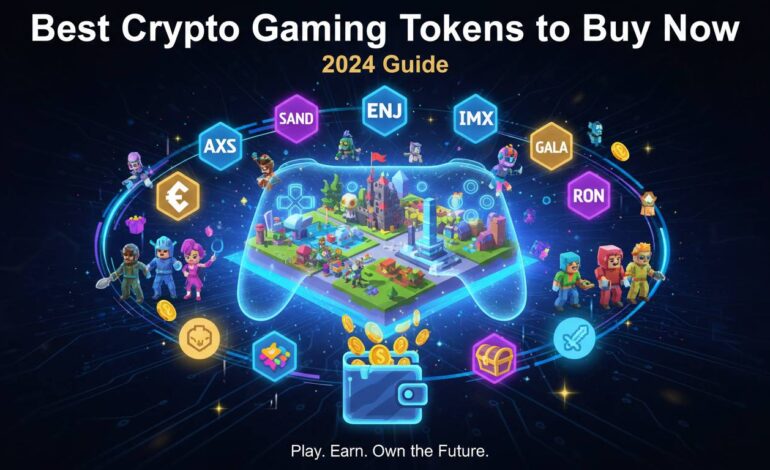
Best Crypto Gaming Tokens to Buy Now | 2024 Guide

The intersection of blockchain technology and gaming has created one of the most dynamic sectors in the cryptocurrency market. Crypto gaming tokens have evolved from niche experimental assets into a significant segment of the digital economy, with billions of dollars in market capitalization and millions of active users worldwide. As we move through 2024, investors and gaming enthusiasts alike are closely examining which tokens offer the most promising value propositions, utility, and long-term potential. This comprehensive guide explores the leading crypto gaming tokens available today, examines how they function within their respective ecosystems, and provides essential information for anyone considering adding these digital assets to their portfolio.
What Are Crypto Gaming Tokens?
Crypto gaming tokens are digital currencies built on blockchain networks that power in-game economies, reward systems, and player ownership mechanics within video games and virtual worlds. Unlike traditional in-game currencies that remain under the control of game developers, these tokens exist on decentralized networks, allowing players to truly own their virtual assets, transfer them between games, and trade them on cryptocurrency exchanges.
The play-to-earn model represents the cornerstone of the crypto gaming revolution. In traditional gaming, players spend countless hours grinding through content without any tangible financial return. Crypto gaming tokens flip this paradigm by rewarding players with valuable digital assets for their time and skill. These rewards typically come in the form of the game’s native token, which players can either reinvest into the game, hold as an investment, or convert to traditional fiat currency through cryptocurrency exchanges.
The technology underlying these tokens varies depending on the blockchain platform. Many gaming projects operate on Ethereum, utilizing the ERC-20 token standard, while others have chosen alternative chains like Solana, Polygon, or Binance Smart Chain for their lower transaction fees and faster processing times. Each platform offers distinct advantages and trade-offs regarding scalability, cost, and ecosystem compatibility.
Leading Crypto Gaming Tokens in 2024
The crypto gaming landscape features numerous projects competing for market share and user adoption. Understanding each token’s unique value proposition, utility within its ecosystem, and market position is essential for informed investment decisions.
Axie Infinity (AXS) remains one of the most recognizable names in the crypto gaming space. Built on the Ethereum blockchain, Axie Infinity pioneered the play-to-earn movement and maintains a dedicated player base despite facing regulatory scrutiny and market volatility. AXS serves multiple purposes within the Axie Infinity ecosystem, including governance voting rights, staking rewards, and as a premium currency for purchasing rare game assets. The token reached significant milestones in user adoption and transaction volume, though investors should note that the token’s value has experienced substantial volatility typical of the sector.
The Sandbox (SAND) operates as a virtual world where users can create, own, and monetize their gaming experiences. The SAND token functions as the primary currency within The Sandbox ecosystem, enabling users to purchase virtual land, avatar accessories, and various in-game items. The project has established partnerships with major entertainment companies and intellectual property holders, providing it with unique content that attracts both gamers and collectors. The metaverse concept continues to drive interest in The Sandbox, though competition within the virtual world segment has intensified.
Enjin Coin (ENJ) takes a different approach by focusing on enabling true digital item ownership across multiple gaming platforms. Rather than creating a single game, Enjin provides tools and infrastructure that allow game developers to integrate blockchain-based assets into their existing titles. The ENJ token backs the value of in-game items, providing players with real-world value for their virtual possessions. This infrastructure-focused approach has attracted numerous game developers seeking to implement blockchain features without building entire ecosystems from scratch.
Gala (GALA) has gained attention for its commitment to player-owned gaming experiences and its diverse portfolio of blockchain games. The GALA token facilitates transactions within the Gala ecosystem, which includes titles spanning multiple genres. The project’s approach emphasizes accessibility and low entry barriers, allowing players to participate without significant upfront investment compared to some competitors that require substantial purchases to begin earning rewards.
Illuvium (ILV) represents a next-generation play-to-earn game built on the Ethereum blockchain. As an open-world role-playing game with monster-collecting mechanics, Illuvium combines traditional gaming appeal with blockchain rewards. The ILV token holders receive a share of the revenue generated by the game, aligning player incentives with the project’s long-term success. The game has attracted substantial investment and developer resources, positioning it as a significant competitor in the premium gaming segment.
Flow (FLOW) distinguishes itself through its blockchain infrastructure specifically designed for gaming and collectible applications. Developed by Dapper Labs, the company behind CryptoKitties, Flow hosts numerous popular gaming projects and collectible experiences. The FLOW token powers transactions and enables governance participation within the Flow ecosystem, which has attracted partnerships with major sports organizations and entertainment companies.
Decentraland (MANA) functions as the primary currency for one of the oldest and most established metaverse platforms. Users spend MANA to purchase virtual land, attend events, and acquire digital assets within Decentraland’s virtual world. The platform has developed a robust creator economy where designers and developers monetize their virtual creations, contributing to sustained interest in MANA as the ecosystem expands.
How to Purchase Crypto Gaming Tokens
Acquiring crypto gaming tokens follows the standard process for purchasing cryptocurrency, though investors should understand the specific requirements and security considerations involved.
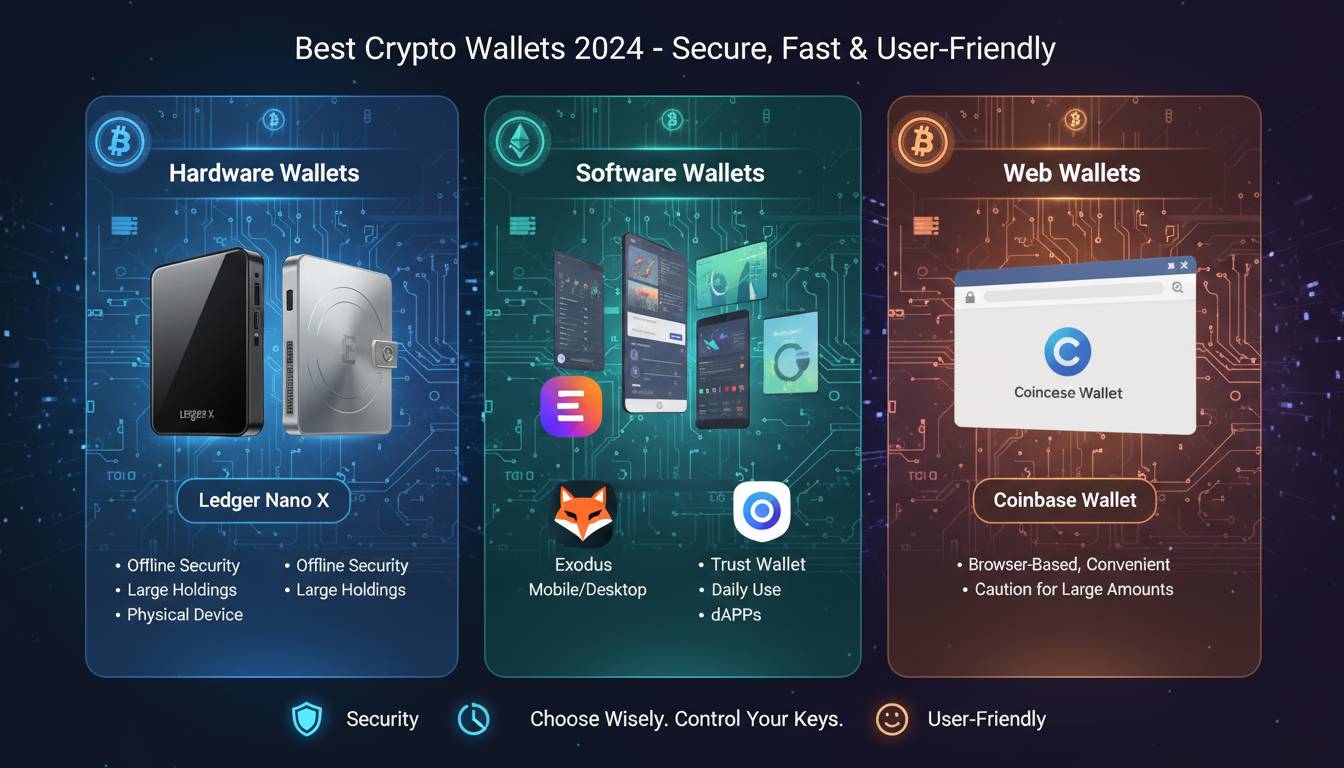
The first step involves setting up a cryptocurrency wallet capable of holding the specific tokens of interest. Hardware wallets provide the highest security level for significant investments, while software wallets offer greater convenience for smaller positions or active trading. Investors must ensure their chosen wallet supports the blockchain network where the target token operates.
Next, users must fund their wallet with the appropriate base cryptocurrency, typically Ethereum for ERC-20 tokens or the native blockchain’s currency for other networks. Most crypto gaming tokens can be purchased on major exchanges including Binance, Coinbase, Kraken, and Crypto.com. Users should verify that their exchange of choice lists the specific token they wish to purchase, as availability varies across platforms.
For those new to cryptocurrency, many exchanges now offer streamlined purchasing processes that allow users to buy crypto gaming tokens directly using fiat currency through bank transfers or credit cards. However, these convenience options often come with higher fees compared to trading on the exchange’s native markets.
After acquiring tokens, investors should consider transferring them to personal wallets rather than leaving them on exchanges, as this provides greater security and control over the assets. Staking options are available for several gaming tokens, offering holders the opportunity to earn additional tokens as rewards while supporting network operations.
Understanding the Risks
The crypto gaming sector presents substantial investment risks that potential buyers must carefully consider before committing capital.
Market volatility represents perhaps the most obvious risk factor. Crypto gaming tokens have experienced dramatic price swings, with many tokens losing significant portions of their all-time highs during market downturns. The speculative nature of the sector means that prices can rise or fall based on sentiment, news, and broader cryptocurrency market conditions rather than fundamental value metrics.
Regulatory uncertainty poses another significant concern. Governments around the world continue to develop frameworks for cryptocurrency regulation, and changes in policy could substantially impact gaming tokens, particularly those operating under play-to-earn models that regulators may classify as securities or lottery-type activities. Projects have faced regulatory challenges in several countries, creating additional uncertainty for investors.
Project viability and longevity present ongoing concerns in the crypto gaming space. The history of the sector includes numerous projects that launched with great fanfare only to fail when development teams ran out of funding, lost interest, or encountered technical challenges. Unlike traditional gaming companies with established revenue streams, many crypto gaming projects depend entirely on token value appreciation to sustain operations.
Technical risks including smart contract vulnerabilities, blockchain network congestion, and interoperability issues can impact token functionality and value. Several high-profile hacks and exploits have resulted in significant losses for token holders, highlighting the importance of understanding the technical foundations of any project under consideration.
Frequently Asked Questions
What makes crypto gaming tokens different from regular cryptocurrencies?
Crypto gaming tokens are specifically designed to power in-game economies, reward player achievements, and enable ownership of virtual assets within gaming ecosystems. They often include utility functions specific to their game, such as purchasing items, accessing premium features, or voting on governance decisions within the project’s development roadmap.
Are crypto gaming tokens a good investment for beginners?
Crypto gaming tokens carry substantial risk and volatility, making them unsuitable for conservative investors or those new to cryptocurrency. Anyone considering these investments should have a strong understanding of cryptocurrency markets, be prepared for significant potential losses, and only invest capital they can afford to lose entirely.
How do play-to-earn games generate value for token holders?
Play-to-earn games generate value through several mechanisms including token staking rewards, governance token value appreciation, revenue sharing in some projects, and the overall growth of the gaming ecosystem which increases demand for the native token. However, value generation depends heavily on continued user adoption and gameplay engagement.
Which crypto gaming token has the highest market cap?
Market capitalizations in the crypto gaming sector fluctuate regularly based on token prices and circulating supply. Among established tokens, Axie Infinity (AXS), The Sandbox (SAND), and Decentraland (MANA) have historically maintained some of the highest market capitalizations in the gaming-focused token category.
Can I use crypto gaming tokens in multiple games?
Interoperability between games varies significantly by project. Some tokens like Enjin Coin (ENJ) are specifically designed to work across multiple gaming platforms, while others function exclusively within their native ecosystem. The broader vision of interconnected virtual worlds remains largely unrealized at this stage of development.
What should I look for when evaluating a crypto gaming token for investment?
Key evaluation criteria include the team behind the project, the actual gameplay quality and engagement, tokenomics including supply and distribution, real-world adoption and partnerships, security audit results, and the project’s financial sustainability. Investors should also consider the competitive landscape and whether the project offers genuine differentiation from existing options.
Conclusion
Crypto gaming tokens represent a fascinating convergence of two rapidly evolving industries, offering investors exposure to both the gaming sector’s growth potential and the broader cryptocurrency ecosystem. The leading projects in this space have demonstrated that blockchain technology can genuinely enhance player experiences through true ownership and meaningful economic incentives.
However, prospective investors must approach this sector with appropriate caution. The combination of regulatory uncertainty, technical complexity, extreme volatility, and the reality that many projects will ultimately fail creates a challenging investment environment. Those who choose to participate should conduct thorough research, maintain realistic expectations about returns, diversify their holdings appropriately, and never invest more than they can afford to lose.
The sector continues to mature, with established projects refining their offerings and new entrants bringing innovative approaches to blockchain gaming. While predictions about future winners remain speculative, the fundamental thesis—that players should own their virtual assets and be rewarded for their time—continues to resonate with millions of gamers worldwide. As the technology develops and regulatory frameworks clarify, the crypto gaming sector may well become an integral part of both gaming and cryptocurrency ecosystems.