Best Crypto Wallets – Secure, Fast & User-Friendly Best

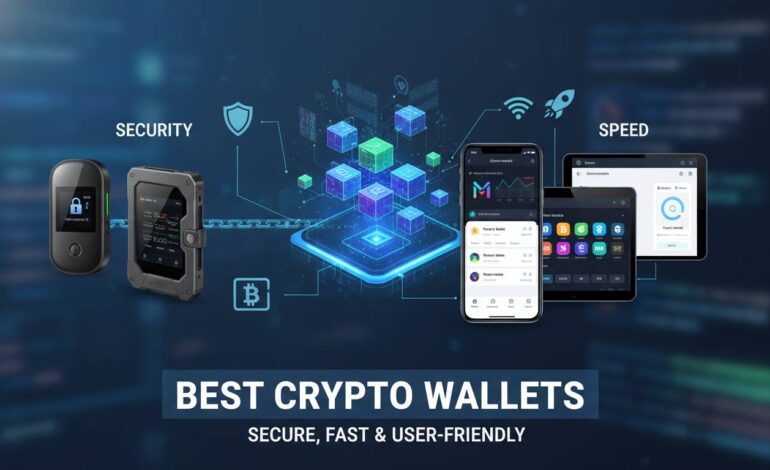
The US crypto market has exploded, and picking the right wallet has become genuinely overwhelming. There are thousands of options out there, from simple mobile apps to hardware devices that look like USB drives from the future. This guide cuts through the noise and looks at what actually matters—security, fees, ease of use, and whether these wallets are worth your time.
We tested over 40 wallets with US users in mind. Security came first: two-factor authentication, multi-signature support, seed phrase backup, and whether you’re dealing with a hot wallet (always online) or cold storage (offline). We also looked at fees—transaction costs, swap fees, and any hidden charges that eat into your returns. User experience mattered too: how intuitive is the interface on desktop and mobile? How fast are transactions? Is support actually helpful? We checked which blockchains and tokens each wallet supports (people hold increasingly diverse portfolios) and dug into each provider’s reputation, any past security breaches, and how the crypto community views them.
Best Overall Crypto Wallet: Coinbase Wallet
Coinbase Wallet is our top pick for most people. It’s built by one of the most regulated, trusted US exchanges—not always a given in this space. The wallet supports over 5,000 cryptocurrencies, so it’s built for whatever portfolio you’re running.
The integration with Coinbase exchange makes moving money between your wallet and trading account painless. Both the browser extension and mobile app have clean interfaces that don’t scare off newcomers. Security includes biometric login, optional cloud backup encrypted with keys only you control, and the ability to set transaction limits that require extra verification.
What sets Coinbase Wallet apart is the built-in education. The app explains blockchain concepts and walks users through transaction processes, which genuinely helps people who feel lost. You can also connect hardware wallets like Ledger or Trezor if you want that extra layer of security while keeping a software interface.
Best Hardware Wallet: Ledger Nano X
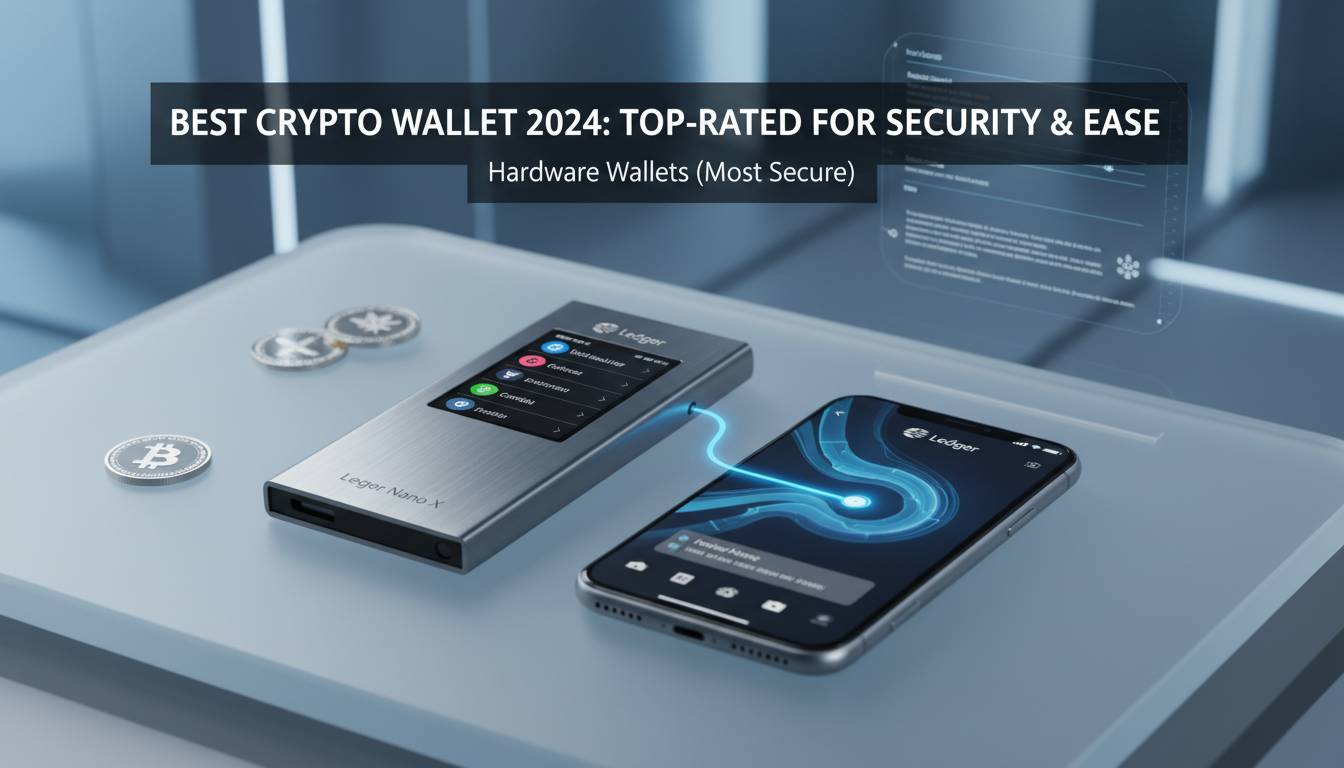
If you’re holding serious money and want maximum security, the Ledger Nano X is the standard. This French-made device keeps your private keys offline in certified secure elements—the kind of protection that makes remote attacks, phishing, and exchange hacks irrelevant.
The built-in battery and Bluetooth mean you can use it on your phone without sacrificing security. It supports over 1,800 coins and tokens, which covers most portfolios. The screen shows transaction details before you sign off—no blind approvals.
At $149, it’s not cheap. But for substantial holdings, cold storage is worth it. Ledger Live lets you stake, buy, and manage crypto through the device, so you’re not constantly moving funds to exchanges. That said, hardware wallets require more setup and technical know-how than apps. They’re better for experienced users or people willing to learn.
Best Crypto Wallet for Beginners: Crypto.com Wallet
First-time crypto users get hit with a wall of options and jargon. Crypto.com Wallet makes things accessible without dumbing everything down. The mobile interface uses clear labels and helpful tooltips—nothing assuming you already know what a seed phrase is.
You can buy crypto with a bank account or debit card directly in the app, skipping the dance between separate platforms. The Visa card program lets you spend crypto anywhere Visa works, which makes digital assets actually useful for daily life.
Security includes two-factor authentication, biometric login, and withdrawal whitelists that lock transfers to addresses you’ve approved. Crypto.com’s insurance covers up to $250,000 through the US Marshals Service—unusual for software wallets. Their US regulatory compliance also means you’re using a licensed, audited provider, which matters when you’re trusting someone with money.
Best Crypto Wallet for DeFi: MetaMask
DeFi has changed crypto from just holding value into a full financial ecosystem, and MetaMask is the main door in. This browser extension and mobile wallet connects you to decentralized exchanges, lending platforms, NFT marketplaces, and thousands of Web3 apps—no middleman required.
Since MetaMask is non-custodial, you control your private keys. The wallet can’t access your funds or block transactions. That’s real financial independence. Its tight integration with Ethereum and EVM-compatible networks makes it the go-to for yield farming, liquidity mining, or voting on protocol changes.
There’s a learning curve though. Gas fees, network congestion, and transaction approval aren’t intuitive at first. MetaMask is open-source with plenty of plugins and tools, but be careful with third-party extensions. After eight years, it’s earned trust—but phishing attacks using fake sites are common.
Best Mobile Crypto Wallet: Trust Wallet
If you want to manage everything from your phone, Trust Wallet delivers the full package. Supporting over 4.5 million assets across 70 blockchains, you can run virtually any crypto holding from your smartphone.
The built-in DEX aggregator finds the best swap rates across multiple sources automatically—no manual price hunting. Staking lets you earn returns on proof-of-stake holdings like Ethereum, Cosmos, and Tezos directly in the app. NFT viewing and management are native, which matters as digital collectibles become more central to crypto portfolios.
Trust Wallet uses industry-standard encryption and gives you full control over recovery phrases. They don’t collect personal info beyond what you voluntarily provide. Regular audits and bug bounty programs show ongoing security commitment. Sixty million users have validated its reliability.
Best Crypto Wallet for Low Fees: Exodus Wallet
Transaction fees eat into returns, especially if you trade often. Exodus Wallet keeps costs low while maintaining solid usability and security.
The native exchange pulls liquidity from multiple sources, often beating dedicated exchanges. Exodus shows exact fees upfront—no hidden markup. Desktop and mobile apps sync through the cloud for free, so you can manage portfolios across devices without extra charges.
Exodus supports over 350 cryptocurrencies and works with Trezor hardware wallets for enhanced security. Customer support responds via email and live chat without requiring premium subscriptions. While Exodus charges slightly more than dedicated exchanges for direct crypto purchases, its overall fee structure is competitive for people transferring and swapping existing holdings.
Comparing Top Crypto Wallets
Your choice depends on what matters most. Hardware wallets like Ledger are best for long-term storage of significant holdings but need more setup and upfront investment. Software wallets like Coinbase Wallet and Crypto.com prioritize convenience and regulatory clarity for mainstream use. MetaMask is essential for DeFi participants. Trust Wallet has the best mobile experience.
Consider whether you want custodial (provider holds your keys and helps with account recovery) or non-custodial (you control everything, but must back it up carefully). Fee structures differ widely—understand how transactions, swaps, and purchases are charged. Security features like 2FA, backup options, and insurance should match the value you’re storing.
Frequently Asked Questions
What is the best crypto wallet for beginners?
Crypto.com Wallet and Coinbase Wallet are both solid starting points. Both have intuitive interfaces, educational resources, and built-in purchasing that removes the need to navigate separate exchanges. Crypto.com Wallet adds the Visa card for spending crypto directly.
Are crypto wallets safe?
Reputable wallets use encryption, two-factor authentication, and optional hardware integration. Non-custodial wallets are most secure since only you control private keys. Hardware wallets stay the safest for large values since keys stay completely offline.
Should I keep my crypto in a wallet or exchange?
Personal wallets beat exchanges. Exchanges get hacked or face regulatory issues that restrict fund access. A wallet means you control your keys and can access assets regardless of third-party problems.
Which crypto wallet has the lowest fees?
Exodus Wallet and MetaMask typically have competitive structures, though costs vary by transaction type and network conditions. Decentralized exchanges in wallets like Trust Wallet often beat centralized alternatives. Compare specific costs based on your activity.
Is MetaMask safe?
MetaMask is safe with proper precautions. Never share your seed phrase, verify URLs carefully, and consider hardware wallet integration for large holdings. Open-source code has been audited multiple times, though phishing attacks on MetaMask users are common.
Can I use multiple crypto wallets simultaneously?
Running multiple wallets is common and often smart. Many people use a hardware wallet for long-term storage, a DeFi wallet for protocols, and a mobile wallet for daily transactions. This compartmentalizes risk while giving you access to different features.
Conclusion
The crypto wallet space has something for everyone. Coinbase Wallet is our best overall for its balance of security, usability, and features. Ledger Nano X offers unmatched security for serious holdings. Crypto.com Wallet is the most accessible for newcomers. MetaMask is essential for DeFi. Trust Wallet delivers the best mobile experience.
Whatever you choose, security basics apply: never share your recovery phrase, enable all available security features, and consider hardware storage for significant holdings. The right wallet makes crypto manageable instead of overwhelming.