Best Way to Learn About Cryptocurrency: Complete Beginner’s Guide

Cryptocurrency represents one of the most significant technological and financial shifts of the 21st century. Whether you’re curious about Bitcoin, interested in understanding blockchain technology, or considering investment, building a solid foundation before diving in is essential. This guide walks you through the most effective way to learn about cryptocurrency, from understanding fundamental concepts to navigating your first transactions safely.
Why Learning Cryptocurrency Properly Matters
The cryptocurrency space moves rapidly, with new projects, terminology, and market dynamics emerging constantly. This makes it tempting to jump in based on headlines or tips from others. However, the combination of technical complexity, market volatility, and genuine bad actors in the space means that inadequate preparation can lead to significant financial loss.
Learning cryptocurrency properly isn’t just about understanding how to buy digital assets. It encompasses grasping the underlying technology, understanding how markets function, recognizing security threats, and developing the critical thinking skills to evaluate new projects objectively. The best learners approach cryptocurrency education as an ongoing process rather than a destination.
Key areas to focus on include: blockchain fundamentals, wallet security, market mechanics, regulatory considerations, and scam recognition. Each of these builds on the others, creating a comprehensive understanding that serves you whether you’re investing, developing, or simply staying informed about the space.
Starting with Blockchain Fundamentals
Before touching any cryptocurrency or investing a single dollar, you need to understand what you’re actually dealing with. Blockchain technology forms the foundation, and grasping its core concepts makes everything else much clearer.
Blockchain basics center on a few key principles. A blockchain is a distributed ledger that records transactions across many computers simultaneously. This decentralization means no single authority controls the network, and records cannot be changed retroactively once confirmed. Transactions are grouped into blocks, added to a chain, and secured through cryptographic mechanisms.
Start with Bitcoin, the original cryptocurrency, since it demonstrates these principles most clearly. The Bitcoin whitepaper, published by Satoshi Nakamoto in 2008, remains the essential starting document. While technical, numerous explanations break down its concepts for beginners. Understanding why Bitcoin was created—as a decentralized alternative to traditional currency—provides context for everything else in the space.
Essential concepts to master first:
– Public and private keys (and why private keys matter enormously)
– How transactions are confirmed and added to the blockchain
– The difference between proof-of-work and proof-of-stake
– What mining actually does (beyond just creating new coins)
– Wallet types: hot vs. cold, custodial vs. non-custodial
Free Educational Resources That Actually Help
The internet overflows with cryptocurrency educational content, but quality varies dramatically. Focusing on reputable, established sources prevents confusion and bad information from derailing your learning.
Official project documentation offers the most reliable information for specific cryptocurrencies. Bitcoin.org provides comprehensive beginner guides for Bitcoin specifically. Ethereum.org hosts extensive documentation covering Ethereum and general blockchain concepts. These official sources update regularly and represent the projects’ own explanations of their technology.
Structured courses provide guided learning paths. Coinbase Learn offers free educational content that rewards users with small amounts of cryptocurrency for completing modules—a practical way to learn while getting hands-on experience. Binance Academy provides extensive articles and videos covering topics from blockchain basics to advanced trading concepts. These platforms have established reputations and quality-control processes for their educational content.
YouTube channels can supplement learning but require careful selection. Look for channels run by established figures in the space who explain concepts clearly without hyping specific investments. The key is finding creators who focus on education rather than speculation or shilling specific coins.
| Resource | Type | Cost | Best For |
|---|---|---|---|
| Bitcoin.org | Documentation | Free | Core fundamentals |
| Ethereum.org | Documentation | Free | Smart contract concepts |
| Coinbase Learn | Interactive | Free | Beginner-friendly basics |
| Binance Academy | Articles/Videos | Free | Comprehensive overviews |
| aantonop (YouTube) | Video | Free | Deep technical explanations |
Building a Structured Learning Path
Randomly consuming content leads to gaps in knowledge and potential confusion. A structured approach ensures you build knowledge systematically, with each concept preparing you for the next.
Phase one should focus entirely on conceptual understanding. Spend two to four weeks reading about blockchain technology, understanding how cryptocurrencies work at a technical level, and familiarizing yourself with common terminology. During this phase, avoid any temptation to buy or trade. The goal is comprehension, not action.
Phase two introduces hands-on practice with minimal risk. Create accounts on reputable exchanges (Coinbase, Kraken, and Gemini are established options with strong security reputations). Verify your identity and complete the account setup process. Then, using only a small amount of money you can afford to lose entirely, make your first small purchase—perhaps $25-50 worth of Bitcoin. This transforms abstract concepts into tangible experience.
Phase three expands your knowledge strategically based on your interests. If you want to understand DeFi, focus on Ethereum and its ecosystem. If you’re interested in the technology itself, explore how different blockchains approach scaling, consensus, and governance. If investment is your goal, study technical analysis, portfolio management, and risk assessment more deeply.
This phased approach typically takes three to six months before you should consider any significant financial commitment. Rushing this timeline leads to costly mistakes.
Hands-On Practice: Getting Actual Experience
Theory only gets you so far. Actually using cryptocurrency—even in small amounts—provides understanding that reading alone cannot match. The experience of sending a transaction, paying network fees, and seeing confirmation times creates visceral knowledge that informs all future decisions.
Start with a reputable exchange that prioritizes user experience and security. The process of buying your first cryptocurrency teaches you about order types, market prices versus spot prices, and the distinction between the exchange and your personal wallet. Many exchanges now require identity verification, which also teaches you about the regulatory environment.
Experiment with small transfers between your exchange account and a personal wallet. This reveals how blockchain transactions actually work: the feel of network fees, the waiting period for confirmations, and the irreversibility of transactions. Send a tiny amount first to test the process, then send a small amount to your own wallet. Understanding this flow before handling significant value prevents catastrophic mistakes later.
Try a testnet if you want to experiment without any real money risk. Most major blockchain platforms offer test networks where you can send transactions using fake currency. Ethereum’s testnets (Sepolia, Goerli) allow you to interact with smart contracts and decentralized applications without spending real Ether. This is invaluable for understanding DeFi, NFTs, and other complex applications safely.
Security Fundamentals: Protecting Your Assets
Security represents perhaps the most critical aspect of cryptocurrency ownership. Unlike traditional banking, cryptocurrency transactions are irreversible, and if your funds are stolen, recovery is extremely unlikely. Understanding security before acquiring any cryptocurrency protects you from the most common failure modes.
The golden rule: your private keys, your crypto. Any situation where someone else controls your private keys (custodial wallets on exchanges) means you’re trusting that third party with your funds. While reputable exchanges have security measures, they remain targets for hackers and can face regulatory seizure. For amounts you don’t want to lose, non-custodial wallets where you control the keys are essential.
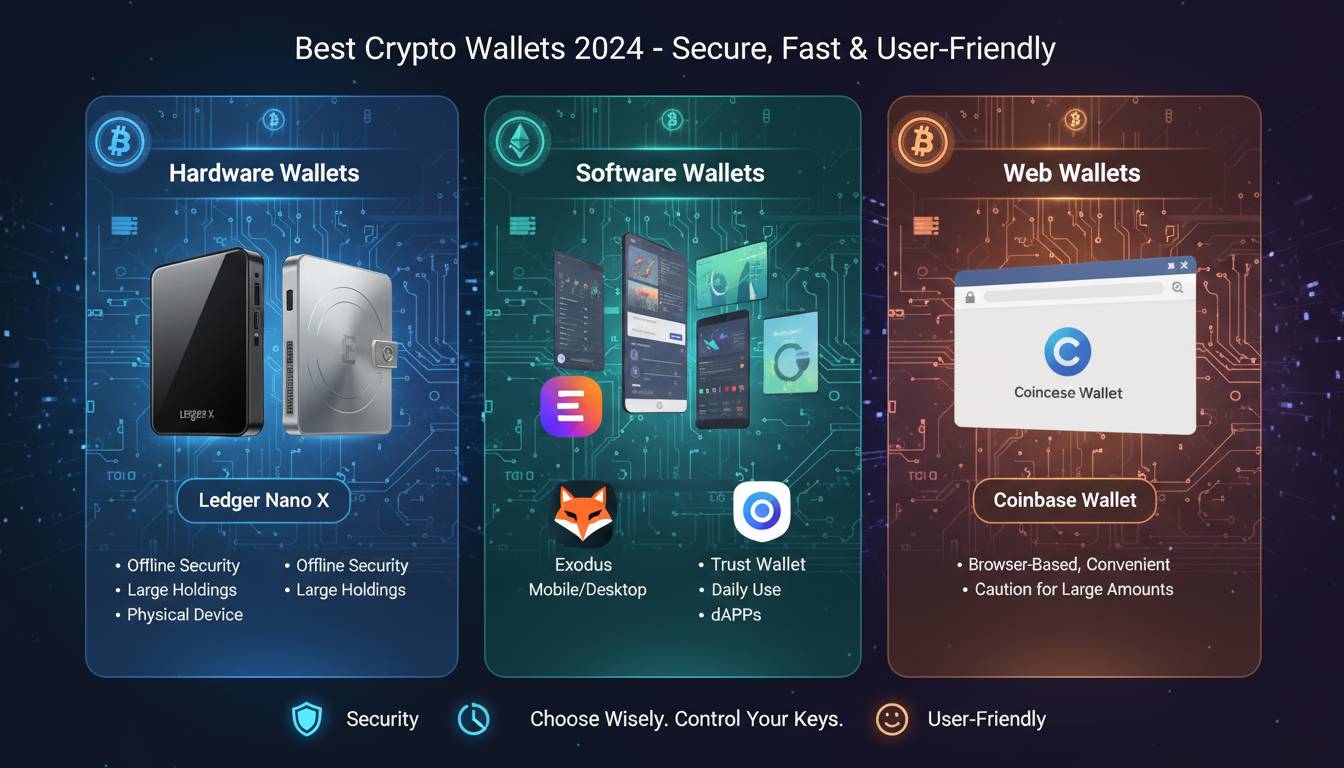
Hardware wallets provide the strongest security for significant holdings. Devices like Ledger and Trezor store your private keys offline, making them immune to online attacks. They cost $50-200 but represent the standard for serious cryptocurrency security. Setting one up teaches you the proper way to back up and protect your keys.
Essential security practices include: never sharing your private keys or seed phrase with anyone, storing seed phrases offline in secure locations, using two-factor authentication on all exchange accounts, verifying website URLs carefully (phishing is common), and being extremely skeptical of unsolicited messages about cryptocurrency. No legitimate service will ever ask for your seed phrase or private keys.
Common Mistakes to Avoid When Learning
Experienced cryptocurrency participants frequently cite the same errors they made early in their journey. Learning from these mistakes accelerates your progress and prevents painful losses.
Investing more than you can afford to lose tops the list. Cryptocurrency remains highly volatile, with prices capable of dropping 50-80% in months. Only invest money that, if lost entirely, would not affect your ability to pay bills, cover emergencies, or meet other financial obligations. The stress of investing money you desperately need clouds judgment and leads to panic selling.
FOMO-driven decisions cause people to buy at market peaks. Seeing others profit creates psychological pressure to act quickly. The antidote is sticking to a planned approach: invest according to a strategy you’ve developed during your learning phase, not based on headlines or social media hype. If you didn’t understand why you made a purchase before the price moved, you shouldn’t have made it.
Ignoring fees quietly erodes returns. Exchange fees, network transaction fees, and spread (the difference between buy and sell prices) add up significantly, especially for frequent traders. Understanding these costs before trading helps you make informed decisions about when trading makes sense versus when holding makes more sense.
Chasing “guaranteed” returns or “can’t miss” opportunities usually leads to scams. If someone promises guaranteed returns, they’re either lying or running an illegal scheme. The cryptocurrency space attracts promoters pushing Ponzi schemes, rug-pull tokens, and outright fraud. Skepticism protects you.
Building Your Knowledge Network
Cryptocurrency evolves rapidly, and ongoing learning is essential. Building a network of reliable information sources keeps you informed about developments without falling into misinformation traps.
Follow official announcements from projects you’re interested in. Twitter (X), official blogs, and community forums provide direct information rather than filtered or misinterpreted content. Distinguishing official accounts from impersonators takes practice but becomes straightforward with attention.
Participate in communities thoughtfully. Reddit communities like r/Bitcoin and r/Ethereum have quality rules and experienced moderators. Discord servers for major projects allow direct interaction with developers and knowledgeable community members. These communities answer questions and provide perspectives you won’t find in formal educational materials.
Read whitepapers for any project you’re seriously considering. A whitepaper explains the project’s goals, technical approach, and economic model. While technical, they reveal whether a project has genuine substance or is mostly marketing. Projects that can’t clearly explain what they’re building in a whitepaper usually aren’t worth your time.
Conclusion
Learning cryptocurrency properly requires patience, skepticism, and systematic effort. Start with blockchain fundamentals, use reputable educational resources, gain hands-on experience with small amounts, prioritize security from day one, and avoid the common mistakes that catch newcomers. This approach takes time—typically three to six months before you’re ready to invest significantly—but dramatically reduces your risk of costly errors.
The cryptocurrency space offers genuine opportunities for those who understand it and devastating losses for those who don’t. Your investment in education now pays dividends for everything that follows, whether you ultimately invest heavily, build projects in the space, or simply understand a technology increasingly shaping our financial future.
Frequently Asked Questions
How long does it take to learn about cryptocurrency?
Most people need three to six months of dedicated learning before they understand enough to make informed decisions about investing. This timeline assumes consistent study of fundamentals, hands-on practice with small amounts, and gradual expansion into areas of specific interest. Rushing this process typically leads to costly mistakes.
Do I need to be good at math or coding to learn cryptocurrency?
No. While understanding math and coding helps with deep technical knowledge, the vast majority of cryptocurrency users never write code or perform complex calculations. Conceptual understanding—how transactions work, what wallets do, how to evaluate projects—requires no specialized technical skills. Many successful cryptocurrency participants have no programming background.
What’s the best cryptocurrency to start learning with?
Bitcoin is the best starting point because it’s the most established, has the most educational resources available, and demonstrates the core concepts most clearly. Understanding Bitcoin first provides a foundation for understanding everything else in the space. Ethereum is the natural second step if you want to understand smart contracts and decentralized applications.
Is it too late to learn about cryptocurrency?
No. Cryptocurrency market capitalization continues growing, institutional adoption increases, and the technology evolves. While early movers had advantages, the space remains young and learning now positions you better than waiting. The best time to start learning was when Bitcoin was created; the second best time is today.
Can I lose all my money learning cryptocurrency?
You can lose money through poor decisions, security failures, or volatility. However, proper learning with small amounts significantly reduces this risk. The key is never investing more than you can afford to lose entirely, using reputable platforms, understanding what you’re buying before you buy it, and prioritizing security. Education itself costs nothing and dramatically reduces financial risk.
Should I invest in cryptocurrency while learning?
You can make small investments ($25-50) early in your learning to gain hands-on experience, but significant investment should wait until you have a solid understanding. The experience of owning, storing, and eventually selling cryptocurrency teaches practical lessons that reading cannot. Just ensure any money you put in initially is money you’re fully prepared to lose.