Bitcoin Casinos vs Regular Casinos: Key Differences You Need to Know


The online gambling landscape has transformed dramatically over the past decade, with cryptocurrency casinos emerging as a serious alternative to traditional online casinos. If you’re deciding between a Bitcoin casino and a regular casino, understanding the fundamental differences can significantly impact your gaming experience, security, and potential returns. Both options offer distinct advantages and drawbacks that cater to different types of players, and the right choice depends entirely on your priorities—whether you value anonymity, transaction speed, game variety, or regulatory protection.
This comprehensive guide breaks down every meaningful difference between Bitcoin casinos and regular online casinos, helping you make an informed decision based on your specific needs and preferences.
Payment Methods and Transaction Processing
The most immediately apparent difference between Bitcoin casinos and regular casinos lies in how money moves in and out of your account.
Regular Online Casinos typically accept traditional payment methods including credit cards (Visa, Mastercard), debit cards, bank transfers, e-wallets like PayPal, Skrill, and Neteller, as well as prepaid cards. Processing times vary significantly: deposits with credit cards are usually instant, while bank transfers can take 3-7 business days. Withdrawals at regular casinos commonly take 2-5 business days, though some methods like e-wallets may process within 24-48 hours.
Bitcoin Casinos operate exclusively or primarily with cryptocurrency. Deposits with Bitcoin and other cryptocurrencies are typically processed within 10-30 minutes, though network congestion can occasionally cause delays. The standout advantage emerges with withdrawals—Bitcoin casino withdrawals can process in as little as 15 minutes to a few hours, compared to the multi-day waits at traditional casinos. This speed difference represents a significant practical benefit for players who want quick access to their winnings.
| Factor | Regular Casino | Bitcoin Casino |
|---|---|---|
| Deposit Speed | Instant to 3 days | 10 minutes to 1 hour |
| Withdrawal Time | 2-7 business days | 15 minutes to 24 hours |
| Transaction Fees | $0-$15 per transaction | Network fees only ($1-$30 variable) |
| Minimum/Maximum | Varies by method | Generally lower minimums |
Anonymity and Privacy Considerations
Privacy represents one of the most compelling reasons players choose Bitcoin casinos over their traditional counterparts.
Regular Online Casinos require extensive personal information during registration. This typically includes your full name, physical address, date of birth, phone number, and government-issued ID for verification. Your financial information—bank account or credit card details—remains on file with the casino. This data becomes part of their records, subject to potential data breaches, and may be shared with third parties for marketing or compliance purposes. Players in jurisdictions where online gambling exists in legal gray areas may find this lack of privacy concerning.
Bitcoin Casinos can offer varying degrees of anonymity. While many still require KYC (Know Your Customer) verification to comply with regulations, some operate as “no-KYC” casinos where you can register with just an email address and start playing immediately. Your financial transactions appear on the blockchain as alphanumeric wallet addresses rather than linked to your personal identity. This means gambling activity cannot be easily traced back to you through conventional financial records.
However, transparency cuts both ways. Regular casinos provide clear transaction records through bank statements, offering accountability that some players prefer. Bitcoin transactions, while pseudonymous, require more technical understanding to manage privacy effectively.
Provably Fair Technology and Game Integrity
This section represents perhaps the most technically significant difference between the two casino types, fundamentally altering how players can verify game fairness.
Regular Online Casinos rely on Random Number Generators (RNGs) certified by third-party auditors like eCOGRA, iTech Labs, or GLI. These certifications verify that games operate fairly, but players must trust the casino and the auditing body. The RNG certification process involves testing millions of game rounds to ensure statistical randomness, but individual players cannot independently verify any specific outcome.
Bitcoin Casinos, particularly those using “provably fair” technology, offer unprecedented transparency. This cryptographic system allows players to verify every single bet’s outcome independently. Before each bet, the casino generates a server seed and combines it with a client seed (which you provide). After the bet, you can reveal and verify that the outcome was determined fairly—you can literally prove the casino didn’t manipulate the result.
This technology addresses a fundamental trust issue in online gambling. Rather than hoping a third-party auditor is honest, players can mathematically verify fairness themselves. Not all Bitcoin casinos implement provably fair systems, but those that do attract players who value this level of transparency.
Regulation, Licensing, and Player Protection
The regulatory environment differs substantially between these two categories, with significant implications for player safety.
Regular Online Casinos in the US operate under complex, state-by-state regulations. Licensed casinos in regulated states (New Jersey, Pennsylvania, Michigan, Connecticut, West Virginia, and others) must comply with strict requirements including player fund segregation, responsible gambling tools, fair dispute resolution, and regular audits. The legal framework provides meaningful recourse if something goes wrong. Players can file complaints with state gaming control boards, and licensed operators face substantial penalties for violations.
Bitcoin Casinos often operate from offshore jurisdictions with lighter regulatory oversight. Many base themselves in Curacao, Malta, or other gambling-friendly locales with minimal player protection requirements. While some Bitcoin casinos maintain excellent reputations and fair practices, the lack of regulatory oversight means you’re largely relying on the casino’s word and reputation. If a Bitcoin casino decides not to pay winnings, recourse options are severely limited.
Some Bitcoin casinos have begun obtaining licenses from reputable jurisdictions, but the industry still skews toward less-regulated operations. This doesn’t mean all Bitcoin casinos are dishonest—many are run by reputable operators—but the risk profile differs from playing at a fully licensed regular casino.
Bonuses and Promotions Comparison
Both casino types use bonuses as primary customer acquisition tools, but the structures differ noticeably.
Regular Casino Bonuses typically offer larger absolute amounts. Welcome bonuses commonly match initial deposits by 100% or more, with some reaching $1,000 or higher. These bonuses come with clear terms, wagering requirements (usually 20-40x the bonus amount), and game weightings. Regular casinos also offer ongoing promotions including reload bonuses, loyalty programs, free spins, and cashback offers. The competitive US market has driven increasingly generous promotions.
Bitcoin Casino Bonuses often appear smaller at first glance but can offer better actual value. Many Bitcoin casinos offer deposit matches of 100-150% but with lower absolute caps. However, wagering requirements are frequently lower (often 10-30x), and game weightings tend to be more generous. Additionally, many Bitcoin casinos offer “rakeback” programs that return a percentage of house edge over time, creating ongoing value rather than just initial bonuses.
A key distinction: Bitcoin casino bonuses are sometimes presented as “no deposit bonuses” or “free bets” that don’t require any initial deposit, allowing players to try games risk-free. These offers are less common at regular online casinos.
Game Selection and Software Providers
The gaming library represents another meaningful differentiator.
Regular Online Casinos typically partner with established software providers like NetEnt, Evolution Gaming, Pragmatic Play, PlayTech, and others. These partnerships ensure high-quality graphics, reliable gameplay, and diverse game selection. Regular casinos often offer hundreds or thousands of games spanning slots, table games, live dealer games, video poker, and specialty games. The mature US market has driven significant investment in game variety.
Bitcoin Casinos vary more widely in game selection. Some partner with the same major providers, offering comparable game libraries. Others focus on proprietary games or work with smaller developers. Notably, some Bitcoin casinos offer exclusive “crash” games, Mines, and other crypto-native titles you won’t find at regular casinos. If you prefer innovative, crypto-specific game mechanics, Bitcoin casinos have an edge in this specific area.
Live dealer games—where real dealers stream to your device in real-time—are available at both casino types, though regular casinos in the US typically have more established live dealer offerings due to longer market presence.
Geographic Accessibility
Where you live significantly impacts which option works for you.
Regular Online Casinos operate within specific legal frameworks. In the US, online casinos are currently legal in only six states (as of 2024). Players in other states cannot legally access these platforms, though some offshore casinos accept US players in gray areas. The state-by-state nature creates geographic frustration—players in unlicensed states have limited legal options.
Bitcoin Casinos bypass traditional banking systems, making them accessible from virtually anywhere with an internet connection. Players in states where online casinos are illegal can often access Bitcoin casinos, though this exists in a legal gray area. The decentralized nature of cryptocurrency means geographic restrictions are technically circumvented, though players should understand the legal implications in their specific jurisdiction.
This accessibility comes with the caveat that playing at an unregulated Bitcoin casino may violate local laws depending on how your jurisdiction treats offshore gambling or cryptocurrency gaming.
User Experience and Technical Barriers
The player experience differs in meaningful ways beyond just game selection.
Regular Online Casinos have invested heavily in user experience over two decades. Interfaces are polished, customer support is readily available (often 24/7 via chat, phone, and email), and the platforms work seamlessly across devices. Mobile apps are common, and the overall experience feels refined through years of optimization. Banking is straightforward with familiar methods.
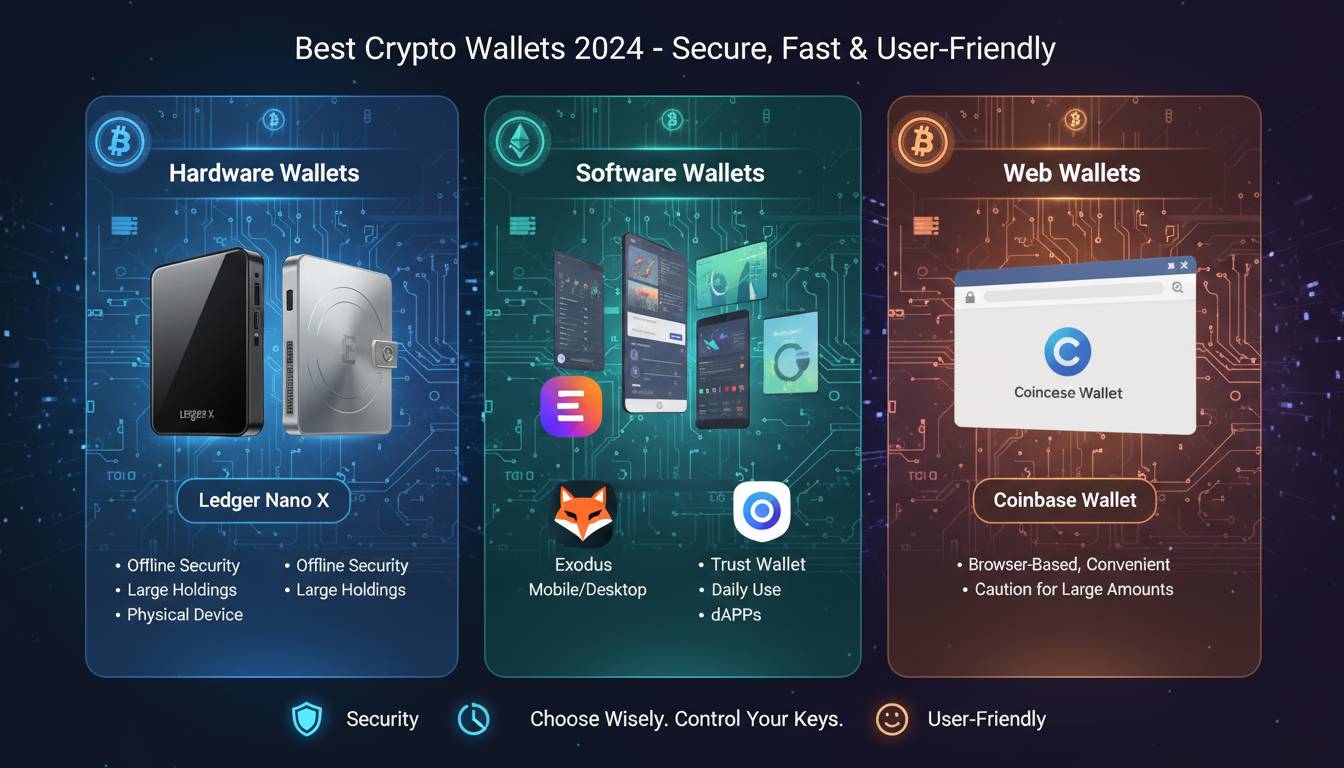
Bitcoin Casinos require additional technical knowledge. Players need cryptocurrency wallets, must understand how to buy and transfer Bitcoin, and should grasp basic blockchain concepts. The learning curve is steeper—converting fiat to crypto, managing wallet security, understanding transaction times during network congestion—all add complexity. However, players comfortable with technology often appreciate the self-custody aspect and the control it provides.
Which Casino Type Is Right for You?
Choosing between a Bitcoin casino and a regular casino ultimately depends on your priorities and circumstances.
Choose a Regular Online Casino if: You live in a regulated state and prioritize legal protection, prefer not to deal with cryptocurrency technicalities, value established customer support channels, want instant help if disputes arise, or prefer familiar banking methods you already understand.
Choose a Bitcoin Casino if: You value privacy and anonymity, want faster withdrawals, prefer lower wagering requirements on bonuses, want access regardless of your geographic location, are comfortable with cryptocurrency, or want to try innovative crypto-native games.
Many players maintain accounts at both types of casinos, using each for different purposes—regular casinos for their security and game variety, Bitcoin casinos for privacy and quick withdrawals.
Frequently Asked Questions
Are Bitcoin casinos legal in the United States?
The legal status of Bitcoin casinos in the US is complex and evolving. Regular online casinos are legal in only six states (New Jersey, Pennsylvania, Michigan, Connecticut, West Virginia, and Delaware). Bitcoin casinos operate in a gray area—technically, they may violate federal or state laws depending on how local authorities interpret offline gambling statutes. Players should consult legal counsel in their specific jurisdiction before playing.
Can I get my money back if a Bitcoin casino refuses to pay?
Recourse options are extremely limited with Bitcoin casinos, particularly unregulated ones. Transactions are irreversible by design. Unlike regular casinos where you can file complaints with state gaming control boards, Bitcoin casino disputes often have no formal resolution process. This is why researching a casino’s reputation before depositing is critical.
Do Bitcoin casinos offer the same games as regular casinos?
Many Bitcoin casinos offer similar games from the same software providers, including slots, blackjack, roulette, and live dealer games. However, Bitcoin casinos also frequently offer unique crypto-native games like crash games, Mines, and Plinko that aren’t typically found at regular casinos. Game variety depends more on the specific casino than the payment method.
Are winnings from Bitcoin casinos taxable?
Yes, in most cases. The IRS treats cryptocurrency as property, meaning gambling winnings in Bitcoin are taxable income at their fair market value when received. You must report gambling winnings regardless of whether you received them in fiat or cryptocurrency. Keeping detailed records of all transactions is essential for tax purposes.
Which has better odds—Bitcoin or regular casinos?
The house edge varies by game rather than by casino type. Both Bitcoin and regular casinos offer games with similar theoretical return-to-player (RTP) percentages. The key difference is that Bitcoin casinos sometimes offer lower overhead costs, allowing them to offer slightly better RTP on certain games—but this varies significantly by operator and is not a universal truth.
Is it safe to play at Bitcoin casinos?
Safety depends entirely on the specific casino you choose, not the category. Reputable Bitcoin casinos with proper licensing and positive player reviews can be very safe, while some regular casinos have poor security practices. Research is essential: check licensing, read player reviews, verify provably fair systems when available, and start with small deposits regardless of which type you choose.