Fed Rate Cut: Impact on Markets, Mortgage Rates, and the Economy

When the U.S. Federal Reserve signals a rate cut, markets and main street alike react swiftly. A fed rate cut—a reduction in the federal funds target rate—directly influences borrowing costs, investment sentiment, and consumer spending. It’s a monetary policy tool designed to stimulate economic growth, particularly during times of uncertainty or slowing expansion. Yet, the ripple effects span far beyond Wall Street, touching mortgage rates, business loans, and even global markets.
How Fed Rate Cuts Work: The Mechanism and Intent
The federal funds rate sets the benchmark for how much banks charge one another for overnight loans. This short-term rate filters through the financial system, shaping the interest rates on everything from credit cards to 30-year fixed mortgages.
The Federal Reserve’s Decision Process
Before enacting a rate cut, the Federal Open Market Committee (FOMC) analyzes a thick stack of economic data, including unemployment figures, inflation trends, and GDP growth. When economic headwinds gather—such as declining business investments or an unexpected global event—the Fed may opt to lower rates to encourage borrowing, spending, and capital investment.
“Rate cuts are not a panacea, but they are among the most powerful tools central banks have to enhance liquidity and support market confidence,” notes Danielle DiMartino Booth, a former Federal Reserve advisor. “The timing and scale of a rate cut send critical signals to financial markets.”
The Transmission to Markets and Lenders
After a rate cut is announced, banks generally lower their own lending rates. Treasury yields may fall, and the U.S. dollar can weaken as investors shift money to regions with higher yields. These shifts have downstream effects across a wide array of asset classes.
The Immediate Impact on Financial Markets
Market reactions to fed rate cuts can be swift and dramatic. In bull markets, a cut often propels equities higher, as lower rates make bonds less attractive and ease financial conditions for companies. Conversely, rate cuts during periods of heightened volatility may be seen as a signal that the Fed foresees more serious trouble ahead.
Stock Market Response: Relief and Risk Appetite
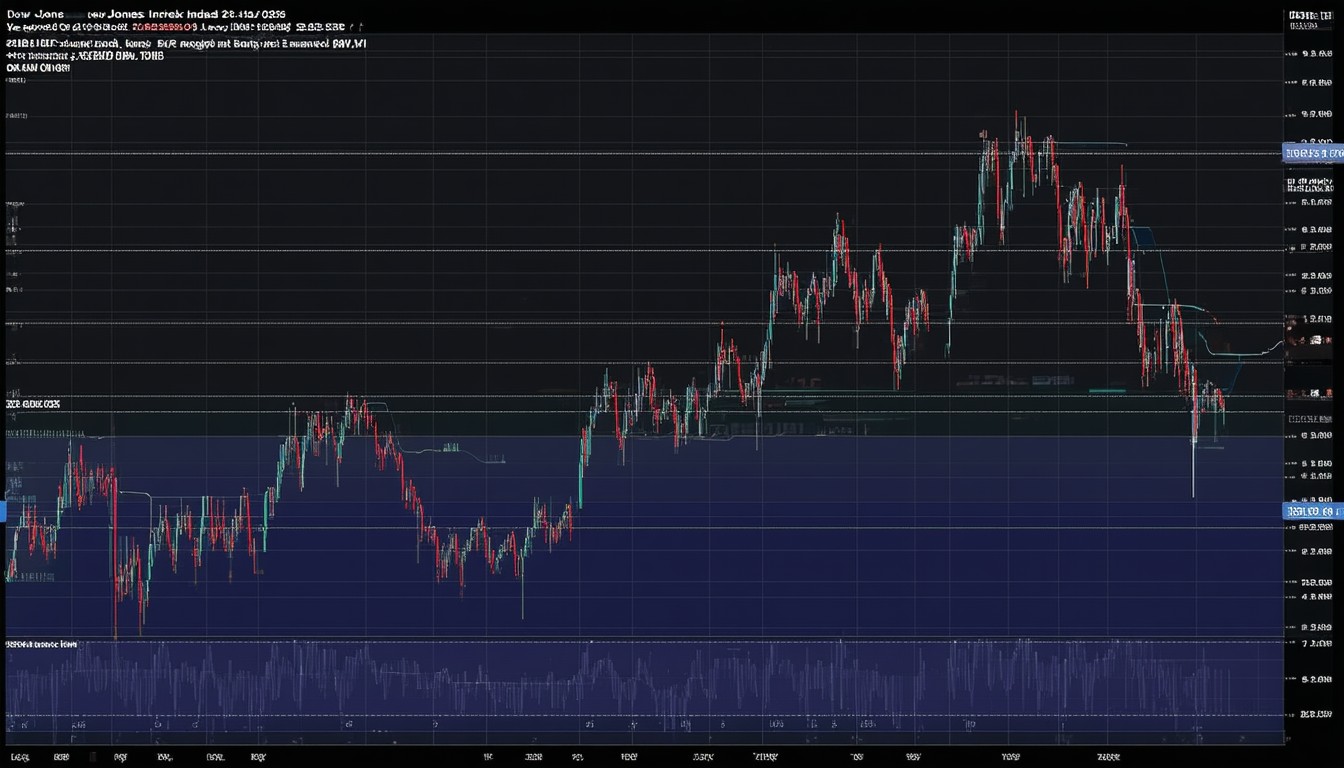
Historically, rate cuts have triggered rallies in the S&P 500, as investors anticipate easier credit conditions and improved corporate earnings potential. For example, after the Fed’s emergency rate cut in March 2020 in response to the onset of the COVID-19 pandemic, stocks initially soared before broader economic fears took over.
- Defensive sectors (utilities, consumer staples) sometimes outperform if cuts are seen as a reaction to an economic slowdown.
- Growth stocks and interest rate-sensitive equities (like banks and homebuilders) usually respond positively to anticipated increased demand and affordability.
Fixed Income and Foreign Exchange Volatility
Bond prices and yields react inversely to fed rate changes. When rates are cut, yields drop and bond prices rise. Conversely, currencies tend to weaken following a rate cut, which can create both challenges and opportunities for multinational corporations and U.S. exporters.
In practice, global investors often recalibrate their portfolios, seeking higher returns in emerging markets, which can fuel cross-border capital flows.
Mortgage Rates: The Main Street Effect
While the fed funds rate is not directly tied to long-term mortgage rates, it powerfully influences them. Most U.S. mortgage rates are pegged to long-term Treasury yields, which tend to fall in anticipation of and after a Fed rate cut.
Homebuyers and Refinancing
For current and prospective homeowners, a rate cut frequently means lower monthly payments. Mortgage brokers report a surge in refinancing activity following each significant rate reduction, as consumers look to lock in lower costs. Even a reduction of 0.25 percentage points can make a tangible difference over the life of a loan.
The Broader Housing Market
Reduced mortgage rates can reinvigorate home sales, especially among first-time buyers or those on the edge of qualifying. In years when the Federal Reserve has pursued several consecutive cuts, home sales often see a noticeable bump, though regional and supply-side variations remain.
Economic Growth and Business Borrowing
Beyond consumer impact, businesses watch fed rate cuts closely. Lower rates reduce the cost of capital, making it cheaper for companies to finance expansions, invest in equipment, and hire new workers.
SME and Corporate Lending
Smaller enterprises, which may be more sensitive to borrowing costs, often benefit most. During previous cycles of monetary easing, bank survey data reveals increased loan demand among small businesses and heightened investment in capacity.
Limitations and Counterforces
A central bank rate cut cannot solve all economic woes. In situations where consumer or business confidence is deeply shaken, monetary stimulus may have muted impact—a scenario seen during the 2008 financial crisis, when rate cuts alone could not revive credit markets without additional policy support.
Global Implications of a Fed Rate Cut
As the world’s reserve currency issuer, U.S. monetary policy shifts ripple through global financial systems. When the Fed cuts rates:
- Emerging market economies may see capital inflows and currency appreciation.
- Dollar-denominated debt outside the U.S. becomes easier to service.
- Central banks in other countries might follow suit with their own rate reductions.
However, coordinated action is not always guaranteed. Diverging central bank policies can exacerbate volatility in foreign exchange and global bond markets.
Summing Up: Strategic Takeaways
Fed rate cuts are a potent lever in economic policy, influencing everything from stock prices and bond yields to mortgage rates and business borrowing costs. Markets often respond enthusiastically, but the actual effects depend on context, timing, and the underlying health of the economy. While a fed rate cut can be a catalyst for growth and risk-taking, it is only one tool among many deployed to steer the U.S. and global economic ship.
FAQs
What is a fed rate cut?
A fed rate cut refers to the Federal Reserve lowering its target for the federal funds rate, making it cheaper for banks to borrow money. This policy action is aimed at stimulating economic activity.
How does a fed rate cut impact mortgage rates?
A fed rate cut often leads to lower long-term interest rates, including those on mortgages, though the direct connection is through broader changes in treasury yields and lending conditions.
Do stock markets always rise after a fed rate cut?
Stock markets typically respond positively to a rate cut due to easier financial conditions, but broader economic concerns can sometimes overshadow the immediate optimism.
Why does the Fed lower interest rates?
The Federal Reserve lowers rates to encourage borrowing, investment, and spending when there are signs of economic slowdown or increased risk to growth and employment.
What is the relationship between the fed funds rate and consumer loans?
The rate influences how much banks charge each other and, in turn, affects the rates offered to consumers for products like auto loans, credit cards, and personal loans.
Are there risks to frequent rate cuts?
Repeated cuts can lead to diminished returns for savers, potential asset bubbles, and reduced flexibility for future stimulus if rates get too close to zero.