How to Buy Crypto Safely: Step-by-Step Guide for Beginners


The cryptocurrency market has grown from a niche experiment into a multi-trillion dollar asset class, with over 40 million Americans now owning some form of digital currency. Yet for every success story, there are cautionary tales of investors losing their holdings to hacks, scams, or simple mistakes. Learning how to buy crypto safely isn’t just about protecting your money—it’s about building confidence in a financial system that operates differently from traditional banking.
This guide walks you through every step of purchasing cryptocurrency securely, from selecting the right platform to storing your digital assets properly. Whether you’re interested in Bitcoin, Ethereum, or the thousands of alternative coins available, the fundamentals of safe purchasing remain the same. By the end of this article, you’ll understand exactly what measures matter, which shortcuts to avoid, and how to build a security-first approach to cryptocurrency investing.
Understanding Cryptocurrency Before You Buy
Before spending a single dollar on cryptocurrency, you need to understand what you’re actually purchasing. Unlike stocks or bonds, cryptocurrencies exist entirely on decentralized networks—no bank holds your funds, no government insures your balance, and no customer service representative can reverse a mistaken transaction.
Cryptocurrency operates on blockchain technology, which records every transaction on a distributed public ledger. When you “buy” cryptocurrency, you’re not receiving a physical coin or a share in a company. Instead, you’re acquiring a private key—a complex cryptographic password that proves ownership of specific units on the blockchain. Whoever holds that private key controls those funds. This distinction matters more than anything else in safe cryptocurrency ownership.
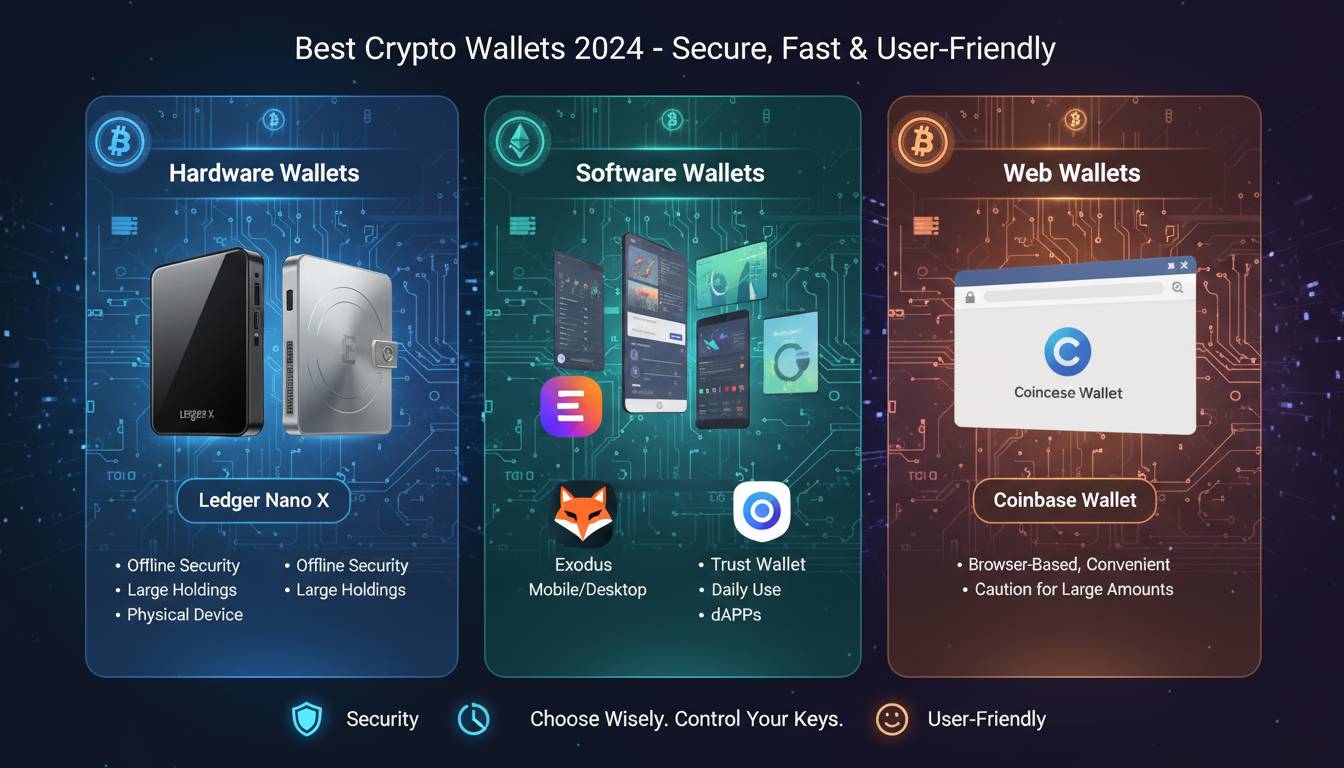
The two most important concepts to grasp are private keys and wallets. Your private key is like the PIN combined with the password for your bank account—if someone obtains it, they can transfer your funds anywhere in the world with no recourse. A cryptocurrency wallet is software or hardware that stores your private keys securely. There are two primary categories: hot wallets (connected to the internet) and cold wallets (offline storage). For beginners, understanding this separation between having access and securing access forms the foundation of everything that follows.
Beyond the technical mechanics, you should understand that cryptocurrency prices are extremely volatile. A 30% drop in a single day isn’t unusual for many coins, and the market operates 24 hours a day, seven days a week. This isn’t a caution to discourage you—it’s simply reality. Only invest money you can afford to lose, and never rush into purchases based on FOMO (fear of missing out) or hype from social media.
Choosing a Secure Exchange or Platform
The platform where you purchase cryptocurrency is your first major decision and one of the most consequential for security. Not all exchanges are created equal—some have suffered devastating hacks, while others have maintained spotless security records for years.
For beginners in the United States, regulated exchanges provide the strongest combination of security and legal protection. Coinbase, Kraken, and Gemini are among the largest US-based platforms that comply with SEC regulations, implement know-your-customer (KYC) protocols, and maintain significant security budgets. These platforms are required to collect identity information, which adds a layer of friction to the signup process but also means they’re accountable to regulatory authorities.
When evaluating any exchange, consider these security features: two-factor authentication (2FA) requiring both a password and a secondary device, cold storage for the majority of customer funds, insurance policies covering platform-side breaches, and transparent security audit histories. Look for exchanges that offer hardware security keys (like YubiKey) as an authentication option, as these are significantly more secure than SMS-based or app-based 2FA.
Be cautious of platforms offering returns that seem too good to be true, or those with aggressively marketed referral programs that promise free cryptocurrency. These are often signs of Ponzi schemes or platforms that will eventually collapse. Stick to established names with verified track records—it’s not worth saving a few dollars in fees to risk your entire investment on an unproven platform.
Fees matter, but they shouldn’t be your primary decision factor. Major exchanges typically charge between 0.5% and 1.5% per transaction, with some offering reduced fees for larger volumes or holding their own tokens. Compare fee structures honestly, considering deposit fees, trading fees, and withdrawal fees. Many beginners don’t realize that withdrawal fees can significantly impact small portfolios.
Setting Up Your Account Securely
Once you’ve chosen your exchange, the account creation process becomes your first actual security test. How you set up your account determines whether hackers will find an easy entry point or face serious obstacles.
Start with a strong, unique password that you’ve never used anywhere else. A password manager generates and stores complex passwords better than any human memory can. Your cryptocurrency exchange password should be at least 16 characters long, combining uppercase letters, lowercase letters, numbers, and symbols. Don’t use any personal information—birthdays, pet names, or addresses that attackers could find on social media.
Two-factor authentication is non-negotiable. Enable it immediately after creating your account, and choose an authenticator app (like Google Authenticator or Authy) over SMS-based verification. SIM-swapping attacks, where hackers hijack your phone number to intercept 2FA codes, have stolen millions from cryptocurrency holders. Hardware security keys provide the highest level of protection, though they require a physical purchase.
Complete your identity verification promptly and accurately. This process, while sometimes frustrating, creates an audit trail that protects you if issues arise. It also enables higher withdrawal limits and access to more features. Keep your verified email address secure and consider creating a dedicated email address specifically for financial accounts.
Before funding your account or making any purchases, explore the platform’s security settings thoroughly. Enable withdrawal whitelist features that limit which addresses can receive your funds, set up account alerts for login attempts and large transactions, and review connected devices regularly. These few minutes of configuration provide substantial protection for everything that follows.
Funding Your Account and Making Your First Purchase
With your account secured, you’re ready to add funds and execute your first purchase. For beginners, bank transfers (ACH in the US) offer the best combination of low fees and security, though they typically take 3-5 business days to clear. Debit cards process instantly but often carry higher fees—sometimes 3% or more of the transaction amount.
Wire transfers work for larger amounts and clear faster than ACH, though your bank may charge $15-30 per wire. Avoid funding cryptocurrency purchases with credit cards unless you’re certain you can pay off the balance immediately—crypto purchases often incur additional cash advance fees from credit card companies, and the volatility means you could end up paying for assets that have lost significant value.
When making your first purchase, start small. Buy a minimal amount—perhaps $25-100 worth of your chosen cryptocurrency—to experience the process without risking meaningful capital. This test transaction lets you verify that withdrawals work correctly, that you understand how to read transaction history, and that your security setup functions as intended.
After your test purchase, transfer the funds to your personal wallet rather than leaving them on the exchange. This practice, often called “not your keys, not your crypto,” ensures you control your assets even if the exchange suffers a breach. For most beginners, a hardware wallet from manufacturers like Ledger or Trezor represents the best balance of security and usability—these devices cost $50-200 and store your private keys offline.
If you’re not ready to purchase a hardware wallet, using a reputable software wallet on your phone (like Exodus or Trust Wallet) provides better security than leaving funds on an exchange, though hardware wallets remain the gold standard for significant holdings.
Essential Security Practices for Crypto Storage
Owning cryptocurrency comes with responsibilities that don’t exist in traditional banking. If your bank fails, government insurance protects your deposits up to $250,000. If you lose your cryptocurrency private keys, there’s no recovery mechanism, no customer service number to call, and no guarantee you’ll ever access your funds again.
Backup your private keys or recovery phrases immediately. When you set up any wallet, you’ll receive a recovery phrase—typically 12 or 24 words in a specific order. Write this down on paper (multiple copies, stored in different secure locations) and never enter it into any device connected to the internet. Never share your recovery phrase with anyone, no matter who claims to need it. No legitimate company, exchange, or support representative will ever ask for this information.
Consider the distinction between hot and cold storage based on how much you’re holding. Hot wallets are convenient for frequent trading but remain vulnerable to online attacks. Cold storage (hardware wallets or even paper wallets) provides near-impenetrable security but requires more effort to access. A common strategy holds most funds in cold storage while keeping a small amount in a hot wallet for active trading.
For significant holdings, consider spreading assets across multiple storage solutions rather than keeping everything in one place. This approach, sometimes called “cryptographic diversification,” ensures that a single point of failure—lost hardware wallet, single location destroyed in a fire, one device compromised—cannot result in total loss.
Regularly audit your holdings and security setup. Check that your 2FA remains functional, verify that your recovery phrase backups are still accessible, and confirm that withdrawal whitelist addresses are current. As your holdings grow, reassess whether your security measures remain appropriate.
Common Mistakes to Avoid When Buying Crypto
Even experienced investors make critical errors when entering the cryptocurrency space. Understanding these pitfalls helps you avoid learning expensive lessons personally.
The most common mistake is buying based on emotion rather than research. Social media drives enormous price movements in cryptocurrency—influencers promote coins, viral posts create buying frenzies, and fear of missing out pushes people to invest at peaks. Before buying any cryptocurrency, understand what it does, who created it, how its supply works, and what problems it aims to solve. If you can’t explain your investment in simple terms, you shouldn’t be buying it.
Failing to use withdrawal limits and alerts creates unnecessary risk. Many exchanges allow you to set daily withdrawal limits lower than your balance—useful even if you trust yourself, as it limits damage if your account is somehow compromised. Enable notifications for all transactions so you immediately know if unauthorized activity occurs.
Ignoring transaction fees leads to surprising losses. Cryptocurrency networks charge fees to process transactions—Bitcoin’s fees fluctuate wildly based on demand, sometimes exceeding $20 per transaction during busy periods. Ethereum’s gas fees can make small transactions prohibitively expensive. Factor these costs into your investment decisions, especially if you plan to move funds frequently.
Perhaps most dangerously, many beginners fall for scams. Ponzi schemes disguised as yield farming operations, rug-pull tokens designed to steal your money, phishing emails that mimic exchanges—attackers specifically target cryptocurrency holders because transactions cannot be reversed. Never click links in unexpected emails, never send cryptocurrency to addresses provided by callers claiming to be exchange support, and always verify website URLs carefully.
Frequently Asked Questions
Is it safe to buy cryptocurrency as a beginner?
Yes, buying cryptocurrency can be safe for beginners when using reputable, regulated US-based exchanges, enabling strong security features like two-factor authentication, and storing funds in personal wallets rather than leaving them on exchanges. The key is following security best practices consistently—most losses occur from user error rather than exchange hacks.
What is the safest way to buy Bitcoin for the first time?
The safest approach for beginners is to use a regulated US exchange like Coinbase, Kraken, or Gemini, complete identity verification, enable two-factor authentication, make a small initial purchase, and then transfer your Bitcoin to a hardware wallet you personally control. This ensures you benefit from exchange security during purchase while maintaining full control of your assets afterward.
How much money do I need to start buying cryptocurrency?
You can start with very small amounts—some exchanges allow purchases of $1 or less. However, transaction fees make small positions inefficient, so most experts recommend starting with at least $50-100 to make the fees worthwhile. Only invest money you can afford to lose entirely, given cryptocurrency’s volatility.
Should I keep my crypto on the exchange or move it to a wallet?
For any cryptocurrency you don’t plan to trade immediately, moving it to a personal wallet you control is significantly safer. Exchange hacks have resulted in billions in losses, and exchanges can freeze accounts for various reasons. Hardware wallets provide the best security for holdings you plan to hold long-term.
What happens if I lose my recovery phrase or private key?
If you lose your recovery phrase and your hardware wallet is damaged or lost, your cryptocurrency is gone permanently. There is no password reset, no customer support recovery, and no way to recreate access. This is by design—it proves you truly own your funds without any central authority. This is why physically securing your recovery phrase is absolutely essential.
Can the government take my cryptocurrency?
In certain circumstances, yes. Courts can order seizure of cryptocurrency assets just like any other property. Additionally, cryptocurrency exchanges operating in the US must comply with regulations and may freeze accounts suspected of violations. However, properly secured cryptocurrency in wallets you control cannot be seized simply because you own it—the government would need legal action to compel cooperation.
Building a secure cryptocurrency portfolio requires patience, attention to detail, and ongoing vigilance. The learning curve is real, but the fundamental practices aren’t complicated: use reputable exchanges, enable every available security feature, store significant holdings in hardware wallets you control, never share your private keys or recovery phrases, and make investment decisions based on research rather than social media hype.
Start small, learn the process with minimal risk, and gradually build your position as you become more comfortable. Cryptocurrency remains one of the most exciting asset classes in modern finance—but excitement should always be tempered with the discipline that comes from understanding exactly what’s at stake. Your security is ultimately your responsibility, and the steps outlined in this guide provide a strong foundation for that responsibility.