How to Protect Cryptocurrency From Hackers: Essential Tips


Cryptocurrency holdings have become prime targets for cybercriminals, with decentralized assets presenting unique security challenges that traditional financial institutions do not face. Unlike bank accounts protected by federal insurance and fraud detection systems, cryptocurrency transactions are irreversible and wallets are ultimately only as secure as the measures their owners implement. The question of how to protect cryptocurrency from hackers has transitioned from a niche concern for early adopters to a critical skill that every digital asset holder must master.
The threat landscape has evolved dramatically in recent years. Hackers have shifted from attempting to break blockchain encryption—which remains mathematically infeasible—to targeting the human element and infrastructure surrounding cryptocurrency storage. Exchange hacks, phishing attacks, SIM-swapping, and malware have collectively resulted in billions of dollars in losses. Protecting your cryptocurrency requires understanding these attack vectors and implementing defense-in-depth strategies that address each vulnerability.
Understanding the Cryptocurrency Threat Landscape
The cryptocurrency security ecosystem faces threats that differentiate it fundamentally from traditional finance. When you hold cryptocurrency, you serve as your own bank, which means you bear complete responsibility for security without the safety nets that institutions provide.
According to blockchain analytics firm Chainalysis, cryptocurrency hackers stole approximately $3.8 billion in 2022, though this figure decreased significantly to around $1.7 billion in 2023 as security practices improved across the industry. The majority of these losses stemmed from DeFi protocols and centralized exchanges, with private wallet compromises accounting for a growing percentage as attackers increasingly target individual holders.
The attack methodologies have also matured considerably. Early cryptocurrency thefts primarily exploited exchange vulnerabilities through SQL injection and database breaches. Modern hackers employ sophisticated social engineering, exploiting human psychology rather than technical weaknesses. Phishing campaigns have become highly targeted, with attackers conducting extensive research on victims to craft convincing messages that bypass skeptical thinking.
Key Threat Categories:
| Threat Type | Description | Prevalence |
|---|---|---|
| Exchange Hacks | Breaches of centralized trading platforms | High (billions lost historically) |
| Phishing | Deceptive communications stealing credentials | Very High (most common vector) |
| SIM Swapping | Hijacking phone numbers to intercept 2FA | Growing rapidly |
| Malware | Keyloggers and clipboard swappers | Moderate-High |
| Smart Contract Exploits | Protocol-level vulnerabilities | High in DeFi |
The 2021 Poly Network hack demonstrated both the vulnerability of cross-chain protocols and the unusual recovery that can occur—the hacker returned approximately $610 million in stolen funds after negotiations, highlighting how even massive breaches may not result in permanent losses. However, relying on such outcomes represents poor security planning.
Wallet Security: Hot Wallets Versus Cold Storage
The foundation of cryptocurrency protection begins with understanding wallet architecture. The critical distinction lies between hot wallets—software connected to the internet—and cold wallets that remain offline.
Hot wallets provide convenience for active traders, enabling quick transactions and easy access to DeFi protocols. However, their constant internet connection creates a persistent attack surface. Security researchers at Kaspersky documented over 5 million malware attacks targeting cryptocurrency users in a single recent year, with hot wallet holders comprising the majority of victims.
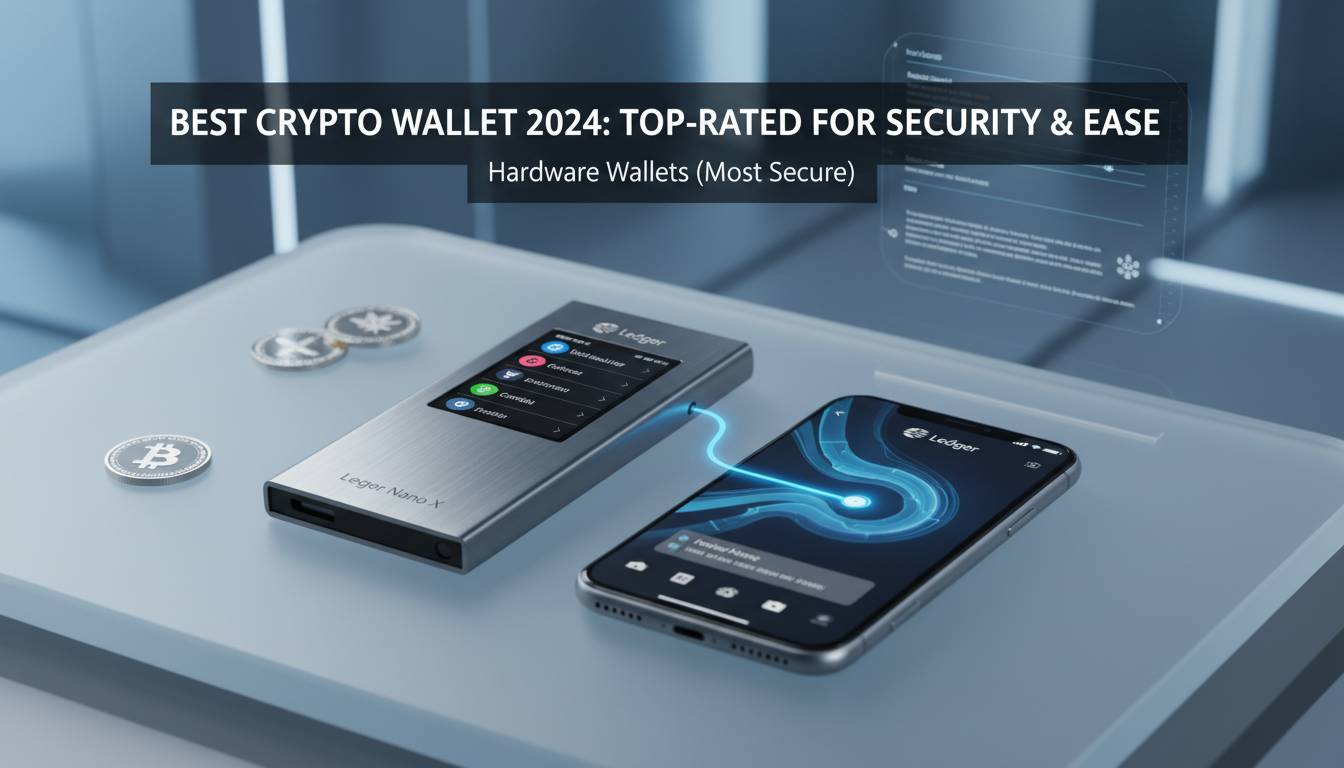
Cold wallets, whether hardware devices or paper wallets, store private keys completely offline. This eliminates the primary attack vector that hackers exploit. Hardware wallets from manufacturers like Ledger and Trezor have become the standard for significant holdings, requiring physical access to the device and confirmation of each transaction.
Storage Strategy Comparison:
| Wallet Type | Security Level | Convenience | Best For |
|---|---|---|---|
| Hardware Wallet | Excellent | Moderate | Long-term holdings |
| Paper Wallet | Excellent (if properly generated) | Low | Maximum cold storage |
| Desktop Wallet | Moderate | High | Active trading |
| Mobile Wallet | Moderate-Low | Very High | Small amounts, daily use |
| Exchange Wallet | Low | Very High | Minimal trading funds |
Implementing a tiered storage strategy represents best practice. The majority of holdings should rest in cold storage, with only working capital maintained in hot wallets or on exchanges. This approach limits exposure while maintaining necessary accessibility.
Multi-Factor Authentication: Your First Line of Defense
Authentication mechanisms represent the gatekeeper between attackers and your cryptocurrency. Despite widespread awareness of two-factor authentication, implementation mistakes render this protection ineffective for many users.
SMS-based two-factor authentication has become recognized as inadequate for cryptocurrency protection. SIM-swapping attacks, where criminals convince mobile carriers to transfer phone numbers to attacker-controlled SIM cards, have resulted in massive cryptocurrency thefts. High-profile victims have lost millions through this vector, including blockchain entrepreneur Michael Terpin, who sued AT&T after losing $24 million in a SIM-swap attack.
Hardware security keys provide superior protection. Devices like YubiKey or Google’s Titan Security Key implement the FIDO2 standard, requiring physical possession of the device to authenticate. Unlike one-time codes that can be intercepted, these devices perform cryptographic verification that cannot be replicated remotely.
Authenticator applications running on isolated mobile devices offer a middle ground. Unlike SMS, codes are generated locally without network transmission, eliminating interception risks. However, losing the device without backup access can result in permanent account lockout.
When implementing multi-factor authentication, prioritize protection of email accounts associated with cryptocurrency platforms. Attackers frequently reset passwords through compromised email before accessing exchange accounts. Securing your email with hardware authentication provides foundational protection for all connected services.
Phishing Prevention and Social Engineering Defense
Phishing attacks targeting cryptocurrency users have evolved beyond generic mass emails to include highly sophisticated, personalized campaigns. Understanding these tactics proves essential for protecting digital assets.
Attackers conduct reconnaissance through social media, forum posts, and blockchain analytics to identify wealthy holders. They subsequently craft convincing communications appearing to originate from legitimate exchanges, wallet providers, or even trusted contacts. These messages typically create urgency, requesting immediate action on fabricated security issues or account verifications.
Common Phishing Techniques:
- Email spoofing: Messages appearing from official domains with subtle character differences
- Clone websites: Exact replicas of exchange login pages hosted on attacker-controlled domains
- Fake support: Social media accounts posing as customer support representatives
- Airdrop scams: Fraudulent token distributions requesting wallet connections
- Extortion emails: Threatening to release fabricated compromising information
Defensive measures include never clicking links in unsolicited communications, instead navigating directly to websites through bookmarks. Installing anti-phishing browser extensions provides additional warning layers. Verifying communication through official channels before taking action prevents most successful attacks.
Professional-grade protection includes running a dedicated browser profile for cryptocurrency activities, avoiding extensions that can read page content, and employing hardware wallets that require physical button confirmation for transactions—making remote attacks impossible even if computer compromise occurs.
Hardware Wallets and Advanced Security Measures
Hardware wallets represent the gold standard for cryptocurrency security, implementing specialized security architectures that isolate private keys from internet-connected devices.
These devices store cryptographic secrets in secure elements—specialized chips designed to resist physical and software tampering. Even if a computer is completely compromised with keylogging malware, transactions must be confirmed physically on the hardware device, preventing remote theft.
Leading Hardware Wallet Options:
| Device | Security Features | Price Point | Best For |
|---|---|---|---|
| Ledger Nano X | Secure Element, Bluetooth, Mobile Support | $149 | Mobile users |
| Ledger Nano S | Secure Element, Multi-chain | $79 | Budget users |
| Trezor Model T | Open Source, Touchscreen | $219 | Maximum transparency |
| Trezor One | Open Source, Compact | $69 | Entry level |
Proper hardware wallet usage requires additional precautions. Purchasing only from official sources prevents devices compromised during shipping. Verifying device integrity through anti-tampering checks before setup provides assurance. Never accepting pre-configured devices from third parties or entering seed phrases into any device other than the initial setup process.
Advanced measures for substantial holdings include multi-signature arrangements requiring multiple keys to authorize transactions, geographic distribution of seed phrase backups, and time-locked recovery procedures that prevent immediate theft even if keys are compromised.
Securing Your Seed Phrase: The Master Key
Your recovery seed phrase represents the ultimate vulnerability point in cryptocurrency security. Whoever possesses these 12-24 words controls the associated funds completely, regardless of other security measures implemented.
Seed phrases should never exist in digital form. Writing phrases on paper introduces vulnerability to fire, water damage, and physical theft. Metal seed phrase storage solutions, such as those offered by companies like Cryptosteel or Billfodl, provide fire-resistant physical backup while eliminating digital exposure.
Backup Best Practices:
- Create multiple copies stored in geographically separate locations
- Never store seed phrases digitally (screenshots, cloud storage, email)
- Consider splitting phrases using Shamir Secret Sharing for distributed backup
- Avoid recording phrases in locations obvious to visitors or cleaners
- Use metal backups for long-term storage resilience
The 2017 Bitcoin Gold hack and subsequent attacks demonstrated how quickly large-scale distribution of compromised wallets can occur after seed phrase exposure. Attackers actively monitor blockchain transactions, immediately draining any wallet that has ever connected to an insecure environment.
Exchange Security and Withdrawal Practices
Centralized exchanges remain necessary for most cryptocurrency acquisition, despite their inherent security risks. Understanding how to minimize exposure while using these platforms proves critical.
Withdrawal whitelisting restricts transfers to pre-approved addresses only. Even if attackers compromise account credentials, they cannot transfer funds to unfamiliar wallets without additional verification. This single setting prevents the majority of exchange-based thefts.
API key restrictions matter for users automating trades. API keys should never include withdrawal permissions and should be limited to specific IP addresses. Many successful exchange hacks have originated through compromised API keys with excessive permissions.
Regular account audits help identify unauthorized access. Reviewing login history, active sessions, and withdrawal history monthly provides early warning of compromise. Many exchanges offer notification settings for account changes—enabling these alerts provides immediate awareness of potential attacks.
Choosing exchanges with strong security histories matters significantly. Platforms offering proof-of-reserves, maintaining cold storage for the majority of customer funds, and implementing robust insurance or protection funds provide additional security margins. Coinbase, Kraken, and Gemini have established track records, though no exchange can guarantee immunity from compromise.
Incident Response and Recovery Planning
Despite best efforts, security incidents may still occur. Preparing response procedures in advance dramatically improves recovery chances.
Immediate response steps should be documented and accessible:
- Contact exchange support immediately with detailed incident information
- Change passwords on all related accounts from known-clean devices
- Move remaining funds from compromised wallets to new addresses
- Document everything for potential law enforcement involvement
- Check blockchain explorers for transaction tracking
Law enforcement involvement has become increasingly effective. The FBI’s Recovery Asset Team has achieved success in tracing and recovering stolen cryptocurrency, particularly for exchanges operating within US jurisdiction. Filing reports promptly improves recovery odds.
Insurance and protection options exist for institutional and sophisticated retail users. Some exchanges offer guaranteed wallet protection. Specialized cryptocurrency insurance policies cover theft from cold storage. Self-insurance through capital reserves remains the most common approach among individual holders.
Frequently Asked Questions
What is the safest way to store cryptocurrency?
The safest method for most users combines hardware wallets for the majority of holdings with minimal hot wallet balance for active trading. Hardware wallets keep private keys offline, immune to remote attacks. Store seed phrases in metal backups across geographically separate secure locations.
How do I know if my cryptocurrency wallet has been compromised?
Watch for unexpected transaction notifications, unfamiliar login alerts, and balance changes. Regularly check addresses on blockchain explorers. If you suspect compromise, immediately transfer remaining funds to a fresh wallet with new seed phrases generated on verified secure devices.
Should I use a hardware wallet for small amounts?
Even small amounts warrant hardware wallet use if the cryptocurrency holds meaningful value. Malware and automated scanning can compromise any internet-connected wallet regardless of balance. The $79-150 investment provides meaningful security regardless of holdings size.
Can cryptocurrency be recovered after hacking?
Recovery is sometimes possible but rarely guaranteed. Swift action increases odds—contacting exchanges immediately may freeze stolen funds in transit. Law enforcement success has improved, with the FBI recovering significant amounts from various hacks. Prevention remains far more reliable than recovery.
Is it safe to keep cryptocurrency on exchanges?
Exchanges carry inherent risk, as demonstrated by historical failures including Mt. Gox, FTX, and others. Keep only active trading funds on exchanges. Withdraw holdings to personal wallets for long-term storage. Research exchange security practices and use platforms with strong track records.
What happens to cryptocurrency if I lose my hardware wallet?
Nothing—the cryptocurrency remains on the blockchain indefinitely. Recovery requires the seed phrase backup. This underscores why secure, geographically distributed seed phrase storage is absolutely essential. Without backup, lost hardware wallet means permanent loss.
Conclusion
Protecting cryptocurrency from hackers requires treating security as an ongoing practice rather than a one-time configuration. The threat landscape continues evolving, with attackers developing increasingly sophisticated methods to exploit both technical vulnerabilities and human psychology.
Implementing defense-in-depth through hardware wallets, robust authentication, phishing awareness, and secure seed phrase management provides comprehensive protection. Regular security reviews, software updates, and staying informed about emerging threats maintains this protection over time.
The fundamental principle remains straightforward: control your keys, secure your seed phrases, verify everything, and trust nothing unsolicited. Cryptocurrency’s permissionless nature provides extraordinary freedom and opportunity, but this same characteristic places security responsibility squarely on individual holders. Those who accept this responsibility and implement sound practices can confidently participate in the digital asset economy while minimizing exposure to its inherent risks.