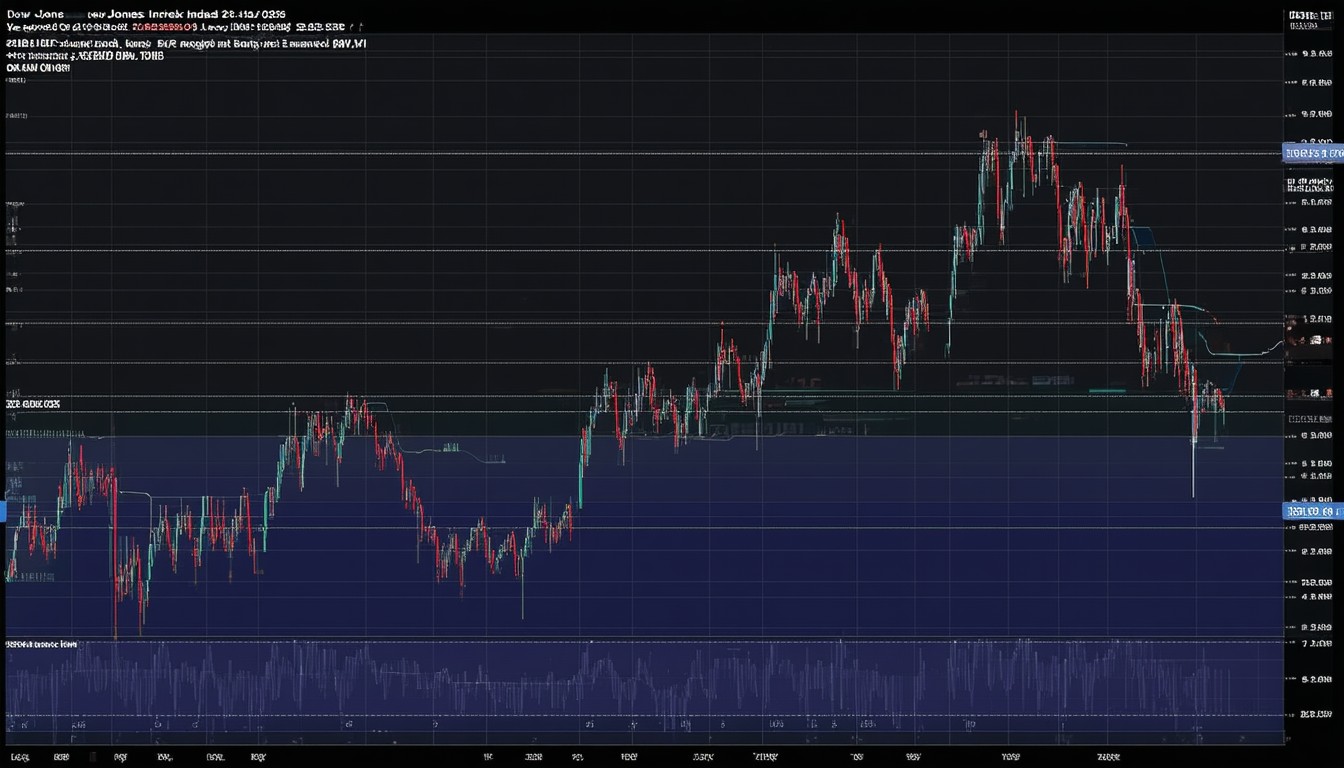
Nasdaq 100 Index: Overview, Performance & Key Components


In the hierarchy of global stock market benchmarks, the Nasdaq 100 Index holds a distinct place. It encapsulates the performance of the largest non-financial companies listed on the Nasdaq exchange, acting as a critical barometer for technology and growth-oriented stocks in the U.S. economy. Over the past few decades, the Nasdaq 100 has evolved from a niche indicator for tech stocks into a touchstone for market sentiment, innovation, and economic leadership.
Its influence extends far beyond Wall Street. Institutional investors, retail traders, and even passive index funds keep a close watch on the Nasdaq 100 for its forward-leaning stance on economic shifts—often foreshadowing trends in digital transformation and disruptive business models.
Structure and Calculation: What Sets the Nasdaq 100 Apart
The Nasdaq 100 is a modified market capitalization-weighted index, comprising 100 of the largest non-financial companies by market value on the Nasdaq Stock Market. While the S&P 500 includes financials and is broader in scope, the Nasdaq 100 intentionally excludes financial institutions (such as banks and investment firms), skewing heavily toward sectors like technology, consumer discretionary, and healthcare.
Selection Criteria and Industry Weightings
- Eligibility: Companies must be listed exclusively on the Nasdaq exchange, demonstrate high liquidity, and meet a minimum market capitalization threshold.
- Rebalancing: The index is rebalanced quarterly to maintain accurate representation, accounting for corporate actions and market cap changes.
- Sector Concentration: Technology-related firms historically comprise over half of the index’s weighting, followed by consumer services, healthcare, and industrials.
Why Exclude Financials?
This exclusion gives a purer barometer of innovation and growth-oriented sectors. The intent is to reflect the dynamics of modern, asset-light businesses rather than those tied to traditional financial cycles. This structural choice helps explain the index’s reputation for volatility and rapid growth during tech booms.
“The Nasdaq 100 is an index that highlights the evolution of the U.S. economy toward a more digital and innovation-centric model,” said a senior strategist at a major asset management firm.
Performance: Trends, Milestones, and Volatility
The Nasdaq 100’s performance often outpaces traditional indices during periods of technological advancement but may also experience sharper downturns during market corrections. The index has witnessed several landmark surges, particularly during the late-1990s dot-com boom and more recently, the post-2020 surge in digital adoption.
Historical Outperformance
- Dot-Com Era to Present: Despite the dot-com crash in the early 2000s, the index staged a prolonged rally over the following two decades. The migration of value toward intangible assets—software, platforms, and intellectual property—has steadily lifted the Nasdaq 100’s long-term trajectory.
- COVID-19 Acceleration: During the pandemic, companies within the index, such as cloud computing, e-commerce, and digital communication giants, thrived as the world shifted online, fueling double-digit annual growth rates.
Volatility and Drawdowns
A concentration in fast-growing, sometimes unprofitable technology stocks can mean pronounced drawdowns during risk-off periods. For example, in 2022, technology shares experienced broad declines as investors reassessed valuations amid rising interest rates, underlining the cyclicality in sentiment toward high-growth companies.
Key Components of the Nasdaq 100 Index
While the list of constituents evolves, a consistent cadre of market-defining companies anchor the index. These are the firms shaping global consumption, communication, and infrastructure.
The “Magnificent Seven” and More
The so-called “Magnificent Seven”—Apple, Microsoft, Amazon, Alphabet (Google), Meta Platforms (Facebook), Tesla, and NVIDIA—account for a substantial share of the index’s total market cap. As of recent rebalancings, these companies often make up more than 40% of the overall weighting, underscoring their clout within the market and the broader economy.
Diversity Beyond Big Tech
It’s a misconception that the Nasdaq 100 is purely a tech stock index. Other key members span across industries:
- Consumer Staples: Companies like Costco and PepsiCo offer defensive ballast.
- Healthcare: Biotech and medical device innovators, including Amgen and Moderna, have become significant players within the index.
- Consumer Discretionary: Streaming, travel, and gaming businesses enhance diversification, with names like Netflix and Booking Holdings.
Notable Index Entrants and Exits
The index is dynamic—companies that falter or are acquired exit, making room for fast-rising mid-caps or newly public firms. For instance, DocuSign and Moderna were notable recent additions in response to changing market realities.
How to Invest in the Nasdaq 100: Strategies and Accessibility
Exposure to the Nasdaq 100 can be achieved through various vehicles:
- Exchange-Traded Funds (ETFs): Instruments like the Invesco QQQ Trust are among the world’s most heavily traded ETFs, mirroring the index’s performance and offering liquidity for both retail and professional investors.
- Futures and Options: Derivatives tied to the Nasdaq 100 facilitate sophisticated hedging or speculative strategies commonly employed by institutional players.
- Direct Stock Purchases: Some allocate capital to top constituent stocks to mimic index exposure with a more concentrated outlook.
Advantages and Drawbacks for Investors
Pros:
– Access to global leaders in innovation and growth
– High liquidity and transparency
– Historically strong long-term returns, particularly in digital transformation cycles
Cons:
– High sector and single-stock concentration risk
– Increased volatility during market corrections
– May lack exposure to value-oriented or cyclical sectors
The Nasdaq 100 and the Broader Market: A Barometer for Innovation
Beyond short-term price swings, the index’s composition and returns act as a proxy for global risk appetite, capital allocation to technology, and optimism toward future economic growth. Many investors look to the Nasdaq 100 for signals of where the “growth” segments of the economy are headed, using its movements as both strategic guide and risk gauge.
For example, the heavy outperformance by the index’s largest stocks in the early 2020s prompted regulators and portfolio strategists to debate the risks of market concentration—raising questions about diversification and healthy market breadth.
Conclusion: The Enduring Significance of the Nasdaq 100 Index
The Nasdaq 100 Index is more than just a collection of stock tickers; it represents the dynamic force of innovation shaping the modern economy. Its unique structure and focus on non-financial, growth-oriented companies make it a valuable lens through which to view ongoing shifts in technology, business models, and investment priorities.
Investors considering exposure to the Nasdaq 100 should weigh the benefits of growth and innovation against sector concentration risk and periodic volatility. For those seeking a window into the cutting edge of enterprise and technology leadership, few benchmarks rival its relevance.
FAQs
What is the Nasdaq 100 Index?
The Nasdaq 100 Index tracks the performance of 100 of the largest non-financial companies listed on the Nasdaq exchange, emphasizing industries like technology, consumer discretionary, and healthcare.
How is the Nasdaq 100 different from the S&P 500?
Unlike the S&P 500, the Nasdaq 100 excludes financial companies and is more heavily weighted toward tech-related sectors, resulting in less diversification but greater sensitivity to innovation trends.
Which companies have the largest weighting in the index?
Major technology firms—such as Apple, Microsoft, Amazon, Alphabet, Meta Platforms, Tesla, and NVIDIA—often hold the largest positions due to their substantial market capitalizations.
How can investors gain exposure to the Nasdaq 100?
Investors can access the index through ETFs like QQQ, futures contracts, or by purchasing shares of the major companies included in the index.
Does the Nasdaq 100 include financial stocks?
No, the index specifically excludes traditional financial companies, focusing instead on technology, consumer goods, healthcare, and other non-financial sectors.
Is exposure to the Nasdaq 100 suitable for all investors?
The index’s growth-oriented focus may lead to higher volatility; while it can be suitable for long-term investors seeking innovation-driven returns, it may not align with risk-averse or value-minded portfolios.