Solana ETF Explained: Complete Guide for Investors

The cryptocurrency investment landscape keeps shifting, and one of the bigger developments lately involves Solana-based exchange-traded funds. As more institutions eye digital assets, investors want ways to get exposure to Solana through regulated vehicles instead of buying tokens directly. If you’re thinking about adding crypto to your portfolio beyond just Bitcoin and Ethereum, understanding how Solana ETFs work—and what’s holding them back—matters.
This guide covers what Solana ETFs are, where things stand with regulators, and what to think about before investing.
What is a Solana ETF?
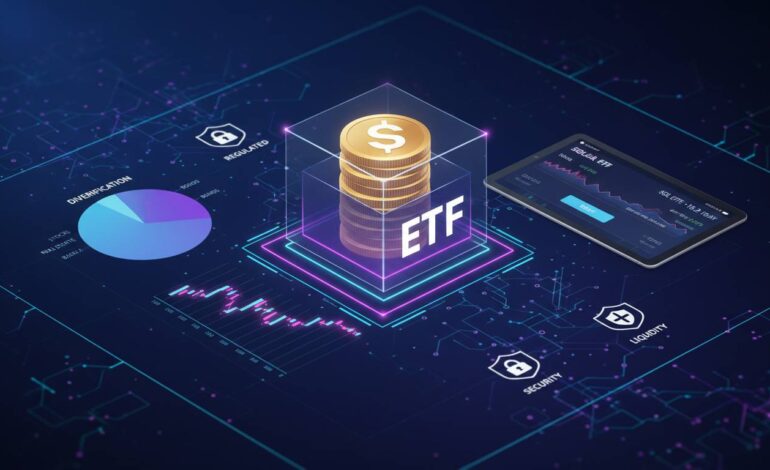
A Solana ETF is an exchange-traded fund that tracks SOL’s price while giving you the structure and investor protections of a traditional security. You’d get exposure to Solana without dealing with self-custody, private keys, or wallet security—stuff that makes a lot of people nervous about holding crypto directly.
The ETF setup has real benefits. Professional custodians handle the tokens, so you don’t have to worry about losing access to your holdings. The fund trades on major stock exchanges, meaning you can buy shares through any standard brokerage during regular market hours. And the sponsor deals with tax reporting and regulatory compliance, which simplifies things considerably.
Solana itself is a high-performance blockchain built for decentralized apps and crypto transactions. Launched in 2020, the network processes thousands of transactions per second with low fees—appealing to developers building apps and users transacting on the network. That tech foundation keeps Solana among the top cryptocurrencies by market cap, sitting behind Bitcoin and Ethereum.
The Regulatory Landscape
Getting a Solana ETF approved means navigating a regulatory environment that’s only recently started opening up to crypto products. The SEC is the main gatekeeper in the US, and its approach to crypto funds has shifted notably.
After years of rejecting crypto ETF applications, the SEC flipped position following legal challenges and shifting market dynamics. In January 2024, spot Bitcoin ETFs got the green light—historic precedent that showed the regulatory framework could handle crypto-backed funds with proper disclosure and custody standards.
Several firms have now filed Solana ETF applications with the SEC. These mirror approved Bitcoin and Ethereum ETFs: hold actual Solana tokens, issue shares that trade on national exchanges. The filing process involves heavy documentation on fund mechanics, custody, pricing, and risk disclosure.
Industry watchers think Solana ETF approvals could happen within the next 12-24 months, assuming the review follows similar timelines to earlier crypto ETF decisions. But the SEC controls the timeline, and surprises happen.
Key Players in the Solana ETF Space
A handful of major asset managers are pushing for Solana ETF approval, each bringing different strengths.
21Shares, one of the biggest crypto ETF issuers globally, has submitted filings. They already run successful crypto ETF products in Europe and have solid experience managing crypto exposure through regulated structures. Their applications emphasize institutional-grade custody and transparent pricing.
VanEck, an established investment firm with expanding digital asset offerings, also filed. Their decades-long reputation in traditional finance adds credibility, and they’ve already gotten an Ethereum ETF approved—showing they can navigate the SEC process.
Other applicants include Bitwise (known for crypto index products) and Franklin Templeton (a major firm with serious resources for compliance and infrastructure). The mix spans specialized crypto managers to traditional asset managers—showing broad industry interest in bringing Solana products to mainstream investors.
Investment Considerations and Risks
Before jumping in, investors should think through some factors that set crypto apart from traditional assets.
Volatility is the big one. Solana’s price swings significantly—double-digit moves in a single day aren’t unusual. Market speculation, network adoption shifts, regulatory news, and broader economic conditions all feed that volatility. The upside potential is real, but so is the downside risk.
Liquidity matters too. While ETFs give you daily liquidity through exchange trading, the underlying crypto market can tighten up during stress. Sponsors typically have liquidity management tools, but understand that extreme market conditions could affect your ability to trade smoothly.
Regulatory risk is always present. The crypto regulatory landscape is still taking shape, and future actions could impact Solana ETFs in various ways—restrictions on certain products, tax changes, or enforcement against specific players.
Technical risks with the underlying blockchain also warrant attention. Solana’s network has had outages in the past. Decentralized networks don’t have a single operator, so technical failures can happen regardless of the ETF wrapper.
How Solana ETFs Compare to Other Options
There’s a spectrum of ways to get crypto exposure, each with trade-offs.
Buying crypto directly gives you maximum control and avoids management fees, but you’re on the hook for self-custody, security, tax record-keeping, and potentially dealing with brokerage limitations.
Crypto mutual funds and private funds offer professional management and oversight, but usually carry higher fees and require accredited investor status or substantial minimums. Liquidity often lags behind ETFs.
Solana ETFs would sit in the middle—convenience and regulatory protections of the ETF structure with direct exposure to Solana’s price. If approved, they’d mark a real expansion of accessible crypto options for regular investors.
Future Outlook
Successful Solana ETF launches could draw billions in new capital to Solana, potentially increasing liquidity and smoothing out volatility as the asset class matures.
The institutional angle might be the biggest deal. Plenty of institutions want crypto exposure but can’t or won’t hold it directly due to operational, regulatory, or policy constraints. ETF approval lets them get crypto exposure through familiar structures—potentially unlocking serious new capital.
This would probably accelerate innovation across the crypto ETF space too. Solana success could pave the way for other cryptocurrencies and digital assets, gradually expanding regulated options for mainstream investors.
Conclusion
Solana ETFs represent a meaningful step forward in crypto investment accessibility—exposure to a leading blockchain through the familiar, regulated ETF structure. Approval is still pending, but the Bitcoin and Ethereum ETF precedents suggest a pathway exists.
For investors considering crypto allocation, understanding the mechanics, risks, and implications gives you better context for decisions. As the regulatory process moves forward, think about how these products might fit your portfolio—risk tolerance, timeline, and diversification goals all matter.
The crypto investment landscape keeps evolving. Solana ETFs are one of several innovations expanding how investors access digital asset markets. Staying informed helps you make decisions that line up with your financial goals while navigating this dynamic space.
Frequently Asked Questions
When will Solana ETFs be approved?
The SEC hasn’t approved any Solana ETF applications yet. Industry observers expect potential approvals within the next 12-24 months, though no firm timeline exists. It depends on the SEC’s review schedule and regulatory developments.
How do Solana ETFs work?
They’d hold actual Solana tokens as the primary asset, with shares issued to investors that trade on stock exchanges. The sponsor handles custody, administration, and compliance—investors buy and sell through their brokerage.
What are the main risks?
Crypto price volatility, regulatory uncertainty, liquidity constraints during market stress, and technical risks with the underlying blockchain. Like any investment, you can lose money.
Which companies have filed?
Several asset managers: 21Shares, VanEck, Bitwise, and Franklin Templeton. All applications remain under SEC review.
How do they compare to Ethereum ETFs?
They’d function similarly once approved—track the underlying crypto’s price through an ETF structure. The main difference is the underlying asset and each blockchain’s technical characteristics and market position.
Can I buy through my regular brokerage?
Assuming approval, they’d trade on major exchanges and be accessible through standard brokerage accounts, just like Bitcoin and Ethereum ETFs. Check with your broker about specific accessibility.