URL: /best-crypto-wallet-for-beginners Title: Best Crypto

Cryptocurrency adoption is accelerating across the United States, and beginners entering the digital asset space face a critical decision: choosing the right crypto wallet. With over 420 million cryptocurrency users worldwide, selecting a secure, user-friendly wallet has become essential for protecting digital assets. This guide examines the best crypto wallets for beginners in 2024, evaluating security features, ease of use, fee structures, and overall value.
Understanding Crypto Wallets: The Basics
Before choosing a wallet, beginners need to understand what a crypto wallet does. Unlike traditional bank accounts, cryptocurrency wallets don’t store currency directly. They store cryptographic keys—the private and public keys that allow users to receive and spend their digital assets on the blockchain.
There are two primary categories: hot wallets and cold wallets. Hot wallets connect to the internet and include mobile apps, desktop software, and web-based platforms. They offer convenient access but carry inherent security risks. Cold wallets, such as hardware devices, remain offline and provide enhanced security by keeping private keys isolated from internet-connected devices.
Most beginners should start with a reputable hot wallet for daily transactions while considering a hardware wallet for long-term storage.
Our Top Picks for Best Crypto Wallets for Beginners 2024
Exodus Wallet – Best Overall
Exodus is a solid choice for beginners. This desktop and mobile wallet supports over 300 cryptocurrencies, including Bitcoin, Ethereum, and numerous altcoins, making it ideal for users wanting to explore different digital assets.
The wallet’s interface is genuinely intuitive—it translates complex blockchain operations into simple terms. The built-in exchange functionality lets users swap one cryptocurrency for another directly within the wallet without transferring funds to external exchanges.
Security-wise, Exodus provides a 12-word recovery phrase stored locally on the device. The wallet doesn’t have access to user funds, meaning only the individual holds control of their private keys. However, Exodus is a hot wallet, so it remains connected to the internet and carries associated risks.
Transaction fees vary based on network conditions, and Exodus charges a markup on exchange transactions. The wallet is free to download and use, though network fees apply when sending transactions.
Coinbase Wallet – Best for Exchange Integration
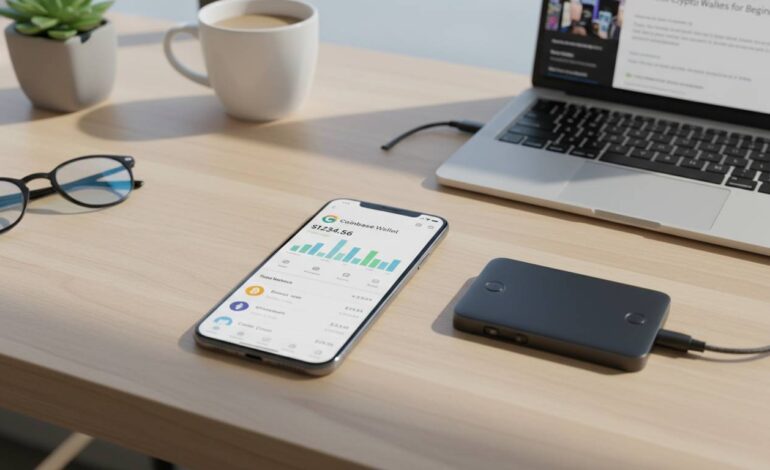
For beginners already using Coinbase as their primary exchange, Coinbase Wallet offers seamless integration with one of America’s largest cryptocurrency platforms. This wallet is available as a mobile app and browser extension.
Coinbase Wallet distinguishes itself through integration with the Coinbase ecosystem, allowing easy transfer of funds between the exchange and wallet. The wallet supports thousands of tokens and integrates with decentralized applications (dApps), making it a good choice for users interested in exploring DeFi protocols and NFT marketplaces.
Security features include biometric authentication, PIN protection, and the option to use hardware wallets for enhanced protection. Users maintain full control of their private keys, and Coinbase Wallet operates independently from the main Coinbase exchange.
The wallet is free to use, though network transaction fees apply. Beginners appreciate the educational resources available through Coinbase, including in-app guides explaining blockchain concepts and wallet security best practices.
MetaMask – Best for DeFi Enthusiasts
MetaMask has become the standard wallet for users interested in decentralized finance and Web3 applications. Available as a browser extension and mobile app, MetaMask primarily supports Ethereum and EVM-compatible blockchains, giving access to thousands of decentralized applications.
For beginners planning to explore DeFi protocols, yield farming, or NFT trading, MetaMask provides the necessary gateway. The wallet integrates with platforms like Uniswap, OpenSea, and numerous other dApps.
Security features include password protection, biometric authentication on mobile devices, and hardware wallet support. Users receive a 12-word seed phrase for wallet recovery, which must be stored securely. MetaMask operates as a hot wallet, so users should avoid storing large amounts of funds in it.
The wallet is free to download and use, with network fees varying based on Ethereum gas prices. Beginners should note that interacting with DeFi platforms involves smart contract risks—only connect to trusted applications.
Trust Wallet – Best Mobile Wallet
Owned by Binance, Trust Wallet is one of the most popular mobile cryptocurrency wallets globally. The wallet supports over 4.5 million cryptocurrencies and blockchain assets.
Trust Wallet excels in mobile convenience, allowing users to manage their crypto portfolio from anywhere. The built-in browser enables direct access to dApps, while staking features let users earn rewards on supported cryptocurrencies without leaving the app.
Security features include biometric authentication, PIN codes, and recovery phrase backup. Trust Wallet is a self-custody wallet, meaning users maintain full control of their private keys. The wallet also offers a Web3 antivirus feature that warns users about malicious websites and phishing attempts.
The mobile app is free to download, with standard network fees applying to transactions. Beginners appreciate the simple interface and the ability to purchase cryptocurrency directly within the app using credit cards or bank transfers.
Ledger Nano X – Best Hardware Wallet
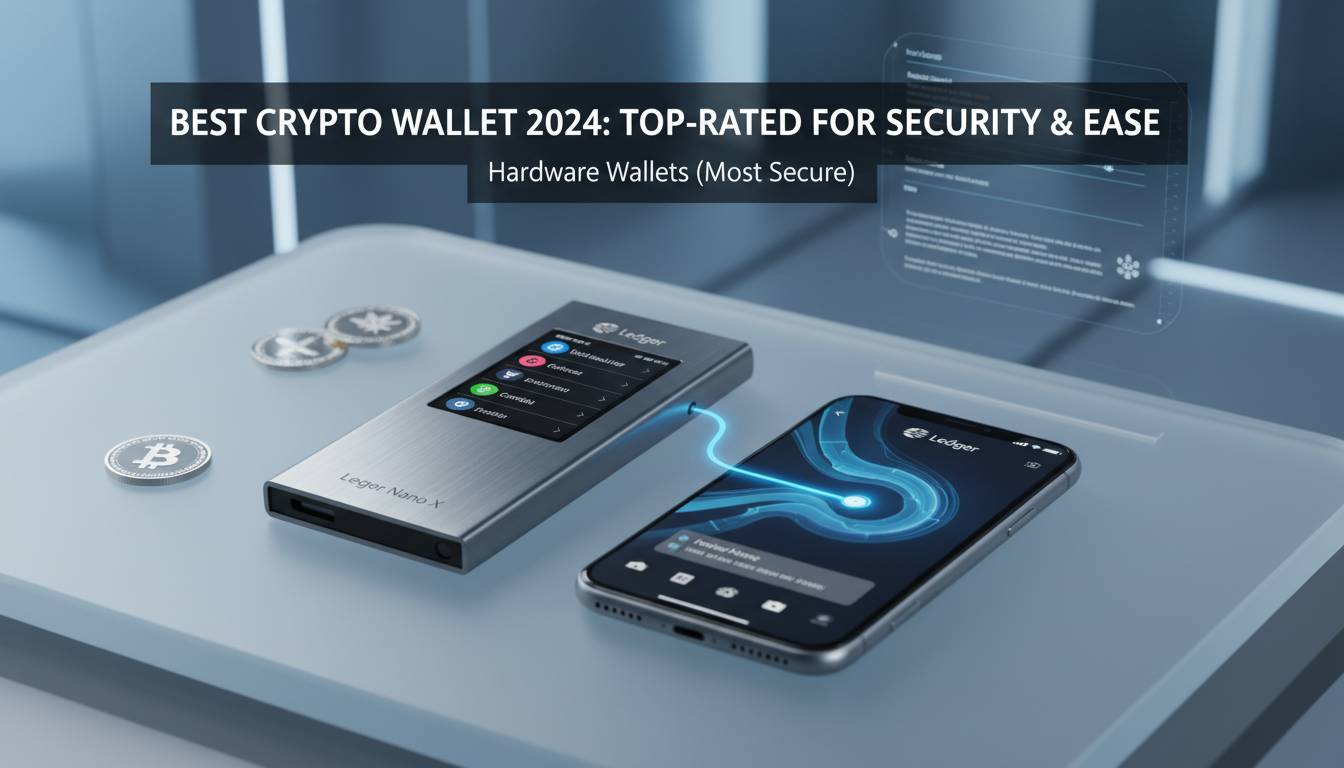
For beginners prioritizing maximum security, hardware wallets remain the gold standard. The Ledger Nano X provides air-gapped protection for digital assets by keeping private keys offline.
The device connects to computers and mobile devices via Bluetooth or USB, allowing users to sign transactions securely without exposing their private keys to internet-connected devices. Ledger supports over 1,800 cryptocurrencies.
Security features include a secure element chip, PIN protection, and recovery phrase backup. The device requires physical button confirmation for all transactions, providing protection against remote attacks. Ledger Live companion app lets users manage their portfolio, check balances, and interact with decentralized applications.
The Ledger Nano X retails at approximately $149. For users holding substantial cryptocurrency values, the enhanced security justifies the cost. Beginners should purchase directly from Ledger’s official website to avoid tampered devices.
Comparing Key Features
| Wallet | Type | Best For | Security Level | Price |
|---|---|---|---|---|
| Exodus | Hot | Overall beginners | High (self-custody) | Free |
| Coinbase Wallet | Hot | Exchange users | High (self-custody) | Free |
| MetaMask | Hot | DeFi users | Medium-High | Free |
| Trust Wallet | Hot | Mobile users | High (self-custody) | Free |
| Ledger Nano X | Cold | Maximum security | Very High | $149 |
Security Considerations for Beginners
Several fundamental security practices apply regardless of which wallet you choose. Never share your recovery seed phrase with anyone. Legitimate wallet providers will never ask for this information. The recovery phrase grants complete access to funds—sharing it gives away your cryptocurrency.
Store recovery phrases offline, preferably in multiple secure locations. Writing phrases on paper carries risks from physical damage or loss. Steel recovery plates offer fire and water resistance for long-term backup.
Enable all available security features, including two-factor authentication where applicable, biometric locks, and PIN codes. These layers of protection significantly reduce unauthorized access risk.
Be vigilant about phishing attempts. Scammers frequently target cryptocurrency users through fake websites, emails, and social media posts. Always verify URLs carefully and never click suspicious links claiming to be from wallet providers.
Fees and Costs to Understand
Beginners often underestimate the various fees associated with cryptocurrency wallets. Network fees, also called gas fees on Ethereum-compatible networks, go to miners or validators processing transactions. These fees fluctuate based on network congestion and can spike significantly during periods of high activity.
Wallet-specific fees vary by provider. Some wallets, like Exodus and Trust Wallet, include built-in exchange services that charge spreads or commissions on trades. These fees are often higher than dedicated exchanges, so users exchanging large amounts should consider transferring to an exchange for better rates.
Hardware wallets require upfront purchases but typically don’t charge ongoing fees beyond network transaction costs.
Frequently Asked Questions
What is the best crypto wallet for beginners in 2024?
Exodus Wallet offers the best overall experience for beginners due to its intuitive interface, built-in exchange functionality, and support for over 300 cryptocurrencies. However, the ideal wallet depends on individual needs—Coinbase Wallet excels for exchange users, while Ledger Nano X provides superior security for significant holdings.
Do I need a hardware wallet as a beginner?
Hardware wallets like the Ledger Nano X provide the highest security but require an upfront investment of approximately $149. Beginners starting with smaller amounts ($500 or less) can safely use reputable hot wallets while learning the ecosystem. Once your portfolio grows beyond $1,000, transitioning to hardware storage becomes advisable.
Are crypto wallets safe for beginners?
Reputable crypto wallets employ strong encryption and security protocols, making them safe when used correctly. However, users bear responsibility for securing their recovery phrases and following security best practices. No wallet can protect against compromised devices or phishing attacks if users fail to exercise caution.
Can I use one wallet for multiple cryptocurrencies?
Most modern wallets support multiple cryptocurrencies. Exodus, Coinbase Wallet, Trust Wallet, and MetaMask all support numerous tokens across different blockchains. Hardware wallets like Ledger typically offer the widest asset support. Before choosing a wallet, verify it supports the specific cryptocurrencies you plan to hold.
What happens if I lose my wallet or device?
Your cryptocurrency remains safe on the blockchain as long as you possess your recovery seed phrase. Losing a device means losing access temporarily. By installing your wallet on a new device and entering your recovery phrase, you restore complete access to your funds. This is why securely storing your recovery phrase is critical.
Should I keep my crypto on an exchange or move it to a wallet?
Exchanges provide convenience but represent centralized points of failure—they can be hacked, face regulatory issues, or freeze accounts. Beginners actively trading may keep funds on reputable exchanges like Coinbase but should withdraw to personal wallets for long-term storage. Self-custody wallets ensure you maintain full control of your assets without third-party risks.
Conclusion
Choosing the right cryptocurrency wallet is one of the most important decisions for beginners entering the digital asset space in 2024. The wallets highlighted in this guide—Exodus, Coinbase Wallet, MetaMask, Trust Wallet, and Ledger Nano X—each offer distinct advantages catering to different user needs and experience levels.
For most beginners, Exodus Wallet provides the best balance of ease-of-use, security, and functionality. Users already familiar with Coinbase’s exchange will benefit from seamless integration with Coinbase Wallet. Those interested in exploring DeFi should consider MetaMask, while mobile-first users may prefer Trust Wallet. Long-term holders prioritizing maximum security should invest in the Ledger Nano X hardware wallet.
Regardless of which wallet you choose, security ultimately rests on your practices. Protect your recovery phrase, enable available security features, and remain vigilant against scams. The cryptocurrency ecosystem offers significant financial opportunities, and selecting the right wallet serves as your foundation for navigating this space safely and confidently.