Web3 Wallet: Secure, Easy & Feature-Packed Crypto Storage

The digital asset landscape continues its rapid evolution, with web3 wallets emerging as essential tools for anyone participating in the decentralized economy. As blockchain technology becomes increasingly integrated into mainstream finance, understanding how to securely store, manage, and interact with cryptocurrencies and digital collectibles has never been more critical. These specialized wallets serve as gateways to the decentralized web, enabling users to authenticate across applications, sign transactions, and maintain complete control over their digital assets without relying on traditional financial institutions.
What Is a Web3 Wallet
A web3 wallet represents a software application or hardware device that allows users to store cryptocurrency holdings and interact with decentralized applications built on blockchain networks. Unlike traditional banking systems where institutions hold and manage customer funds, web3 wallets empower users with sole custody of their assets through cryptographic private keys. This fundamental shift in asset management aligns with the core philosophy of decentralization that defines the blockchain ecosystem.
The functionality of a web3 wallet extends far beyond simple asset storage. These tools enable users to connect to decentralized exchanges, participate in non-fungible token (NFT) marketplaces, access decentralized finance (DeFi) protocols, and sign messages that prove ownership without revealing sensitive information. When a user initiates a transaction, the wallet signs it cryptographically using a private key stored securely on the device, then broadcasts it to the blockchain network for confirmation.
Web3 wallets operate on the principle of asymmetric cryptography, where a public address allows others to send funds, while the private key—known only to the wallet owner—authorizes outgoing transactions. This mathematical relationship ensures that as long as the private key remains secure, the assets remain accessible only to the legitimate owner. The seed phrase, typically consisting of 12 or 24 words, provides a human-readable backup mechanism that can restore the wallet on any compatible device.
Types of Web3 Wallets
The web3 wallet ecosystem offers several distinct categories, each with unique advantages and trade-offs regarding security, convenience, and functionality. Understanding these differences helps users select the most appropriate solution for their specific needs and risk tolerance.
Browser Extension Wallets have become the most popular choice for daily interaction with decentralized applications. These wallets integrate directly into web browsers like Chrome, Firefox, and Edge, allowing seamless connection to websites without requiring additional software installation. MetaMask stands as the dominant player in this category, offering extensive compatibility with Ethereum and EVM-compatible blockchains. Browser extension wallets balance accessibility with reasonable security, making them ideal for users who frequently interact with DeFi protocols and NFT platforms.
Mobile Wallets provide on-the-go access to digital assets through smartphone applications. These wallets leverage device security features such as biometric authentication and secure enclaves to protect private keys. Trust Wallet, Coinbase Wallet, and Rainbow exemplify this category, offering intuitive user interfaces designed for mainstream adoption. Mobile wallets particularly suit users who need to make transactions or access DApps while traveling or away from desktop computers.
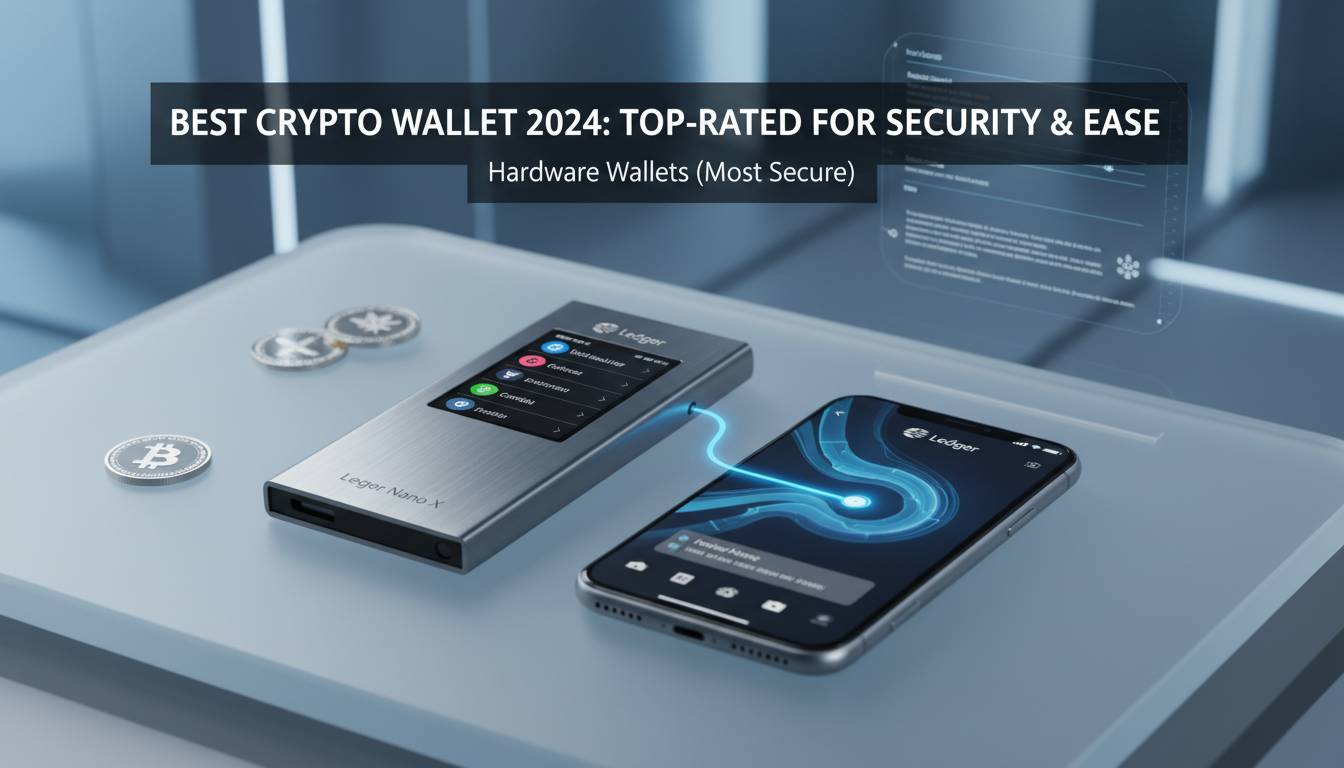
Hardware Wallets represent the gold standard for security in the web3 space. These physical devices store private keys offline, protecting them from malware, phishing attacks, and other online threats that could compromise software-based solutions. Ledger and Trezor dominate this market segment, offering devices that require physical button confirmation before signing any transaction. While hardware wallets involve upfront costs typically ranging from $50 to $250, they provide peace of mind for users holding significant digital asset portfolios.
Desktop Wallets run as standalone applications on computer systems, offering robust functionality without the potential vulnerabilities associated with browser extensions. These wallets download the entire blockchain or utilize remote nodes to verify transactions, providing users with greater control over their node infrastructure. Electrum and Atomic Wallet serve users who prefer desktop environments while maintaining reasonable security practices.
Key Features and Functionality
Modern web3 wallets distinguish themselves through comprehensive feature sets that address various user requirements beyond basic storage. Multi-chain support has become a defining characteristic, with leading wallets enabling users to manage assets across multiple blockchain networks from a single interface. This capability proves essential as the blockchain ecosystem expands beyond Ethereum to include Solana, Polygon, Avalanche, and numerous other networks.
The ability to interact with decentralized applications represents another crucial functionality. When a user connects their web3 wallet to a DApp, they authorize the application to view their public address and balance without granting access to private keys. This permission-based system maintains security while enabling the trustless interactions that define the web3 experience. Wallet connect protocols have standardized this connection process, allowing users to scan QR codes with mobile wallets to securely link to desktop DApps.
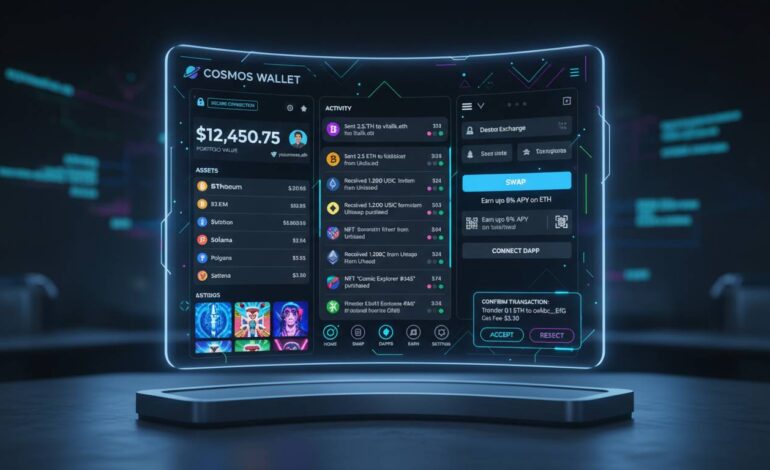
Portfolio tracking and analytics features help users monitor their digital asset holdings across multiple chains and DeFi positions. Many wallets now integrate price feeds, yield calculation tools, and transaction history analysis, providing holistic views of crypto wealth. Some advanced solutions offer tax reporting integration, simplifying the complex process of calculating capital gains and losses for tax purposes.
NFT management capabilities have gained prominence as digital collectibles have entered mainstream consciousness. Web3 wallets now include dedicated interfaces for viewing, sending, and receiving non-fungible tokens, with metadata display showing images, descriptions, and ownership details. This integration eliminates the need for separate NFT management tools, streamlining the user experience.
Cross-chain bridging functionality enables users to transfer assets between different blockchain networks without centralized exchanges. These decentralized bridge solutions utilize liquidity pools and atomic swap technologies to facilitate cross-chain transactions, expanding the utility of digital assets beyond individual network boundaries.
Security Considerations
Security remains the paramount concern for web3 wallet users, as the immutable nature of blockchain transactions means that stolen funds cannot be recovered through traditional chargeback mechanisms. Understanding and implementing proper security practices protects users from the numerous threats targeting digital asset holders.
Private key management forms the foundation of web3 wallet security. Users must never share their private keys or seed phrases with anyone, as anyone possessing this information gains complete control over associated funds. Legitimate wallet providers never ask for seed phrases, and users should treat this information as equivalent to cash—once lost or stolen, it cannot be recovered.
Hardware wallets provide the strongest security posture for significant holdings by keeping private keys isolated from internet-connected devices. Even when connected to compromised computers, hardware wallets prevent attackers from extracting private keys, as transaction signing occurs within the device’s secure element. Users should purchase hardware wallets directly from manufacturers to avoid tampered devices.
Software wallet users should implement additional protective measures, including strong device passwords, regular software updates, and avoidance of suspicious applications or browser extensions. Phishing attacks remain prevalent, with malicious websites mimicking legitimate DApps to trick users into signing transactions that drain their wallets. Users should always verify website URLs and never click links from untrusted sources.
Two-factor authentication adds layers of protection for cloud-based wallet backups and exchange accounts. Many wallet providers now offer biometric authentication through fingerprint or facial recognition, leveraging smartphone security features to prevent unauthorized access.
Popular Web3 Wallets in the Market
The web3 wallet market features several established options, each with distinct strengths catering to different user segments and use cases.
MetaMask has achieved dominant market position as the most widely used web3 wallet, with estimated active users exceeding 30 million. Its browser extension and mobile app support Ethereum and all EVM-compatible networks, while intuitive interfaces have made blockchain technology accessible to mainstream audiences. MetaMask’s extensive DApp browser and integration with major DeFi protocols have established it as a default choice for Ethereum-based interactions.
Trust Wallet serves as a comprehensive mobile solution acquired by Binance, offering support for over 70 blockchains and thousands of digital assets. The wallet emphasizes ease of use while maintaining robust security through device encryption and biometric authentication. Built-in staking capabilities and NFT support position Trust Wallet as an all-in-one solution for mobile-first users.
Coinbase Wallet extends the trusted Coinbase brand into self-custody management, offering tight integration with the Coinbase exchange for seamless asset transfers. The wallet supports numerous blockchain networks and provides educational resources helping users understand transaction details before signing.
Ledger leads the hardware wallet segment with its Ledger Live software ecosystem combining cold storage security with intuitive portfolio management. The company has expanded beyond Bitcoin to support thousands of tokens across multiple blockchains, making hardware wallet security accessible to diverse portfolio compositions.
Rainbow has gained traction among iOS users seeking aesthetically pleasing interfaces for Ethereum and NFT management. The wallet’s emphasis on design and user experience has attracted users who prioritize visual appeal alongside functionality.
How to Set Up and Use a Web3 Wallet
Establishing a web3 wallet requires careful attention to security best practices from the initial setup process. Users should begin by researching their chosen wallet provider, verifying official websites and avoiding phishing sites that impersonate legitimate services.
The installation process varies by wallet type but generally involves downloading applications from official app stores or browser extension marketplaces. Users should verify developer names and review permissions requested by applications before installation. Browser extensions should be installed only from official browser extension stores to avoid malicious versions.
Upon first launch, wallets generate seed phrases that must be recorded accurately and stored securely. Users should write these words on paper rather than storing digitally, as computer storage introduces vulnerability to malware. Paper backups should be stored in secure locations, with consideration given to fire safes or bank safe deposit boxes for long-term preservation.
After securing seed phrases, users can fund their wallets by transferring cryptocurrency from exchanges or other wallets. It is prudent to begin with small test transactions before moving significant amounts, verifying correct address format and network compatibility.
Interacting with DApps requires connecting the wallet through the application’s interface. Most DApps feature “Connect Wallet” buttons that trigger wallet connection prompts, asking for permission to view address and balance information. Users should review permissions carefully and understand that connection does not grant access to funds.
Transaction signing requires thorough review of details including recipient address, amount, and network fees. Users should verify that transaction values appear correctly and that they understand the implications before confirming. Network fees, often called gas fees on Ethereum-based networks, vary based on network congestion and transaction complexity.
The Future of Web3 Wallets
The web3 wallet landscape continues evolving rapidly, with emerging trends promising enhanced functionality, improved security, and broader adoption. Account abstraction represents a significant development, enabling smart contract wallets that introduce features like social recovery, multi-signature authorization, and programmable spending limits previously impossible with externally-owned accounts.
Interoperability improvements will allow users to manage cross-chain assets more seamlessly, reducing friction between different blockchain ecosystems. Chain abstraction technologies aim to present unified interfaces regardless of underlying network, simplifying the user experience while maintaining the benefits of blockchain diversity.
Integration with traditional finance continues expanding, with web3 wallets increasingly supporting fiat on-ramps, payment cards, and banking connections. These developments bridge the gap between conventional finance and decentralized systems, potentially accelerating mainstream adoption.
Self-custody solutions are gaining institutional attention, with traditional financial institutions exploring web3 wallet technology for digital asset custody and management. This corporate adoption may drive enhanced security standards and user interfaces suited to institutional requirements.
Conclusion
Web3 wallets have become indispensable infrastructure for the decentralized economy, providing secure access to blockchain networks and the transformative applications built upon them. From browser extensions enabling seamless DApp interaction to hardware wallets protecting substantial digital asset holdings, the diverse wallet ecosystem addresses varying security requirements and user preferences.
Understanding the fundamentals of private key management, multi-chain support, and security best practices positions users to engage confidently with web3 technology. As the ecosystem matures, wallet providers continue introducing innovations in account abstraction, cross-chain functionality, and traditional finance integration.
Whether entering the space for the first time or managing established portfolios, selecting appropriate web3 wallet solutions remains a critical decision in the digital asset journey. The combination of robust security practices and feature-rich wallet tools empowers users to participate fully in the decentralized future while maintaining control over their valuable digital assets.
Frequently Asked Questions
What is the difference between a web3 wallet and a regular cryptocurrency wallet?
Web3 wallets specifically refer to wallets designed for interacting with decentralized applications and Web3 ecosystems. While all cryptocurrency wallets store private keys enabling blockchain transactions, web3 wallets emphasize DApp connectivity, NFT support, and DeFi protocol interaction alongside basic storage functionality.
Are web3 wallets safe to use?
Web3 wallets employ cryptographic security measures making them generally safe when users follow best practices. Hardware wallets provide the highest security level for large holdings, while software wallets offer reasonable protection for everyday use. Safety depends primarily on user practices—never sharing seed phrases, verifying website URLs, and using official applications.
Can I have multiple web3 wallets?
Users can create and manage unlimited web3 wallets across any number of devices. Many users maintain multiple wallets for different purposes, such as separating long-term holdings from interactive DApp wallets. Using the same seed phrase across devices creates identical wallets, while generating new seeds creates separate wallet addresses.
What happens if I lose my web3 wallet or seed phrase?
If seed phrases are lost, wallet access becomes permanently impossible—there is no password reset or customer support recovery. This emphasizes the importance of secure seed phrase backup. If the wallet device is lost but seed phrase remains safe, users can restore access by importing the seed phrase into a compatible wallet application.
Do web3 wallets support multiple cryptocurrencies?
Most modern web3 wallets support numerous blockchain networks and thousands of tokens. MetaMask and Trust Wallet support extensive multi-chain networks, while hardware wallets like Ledger support thousands of assets through companion applications. Users should verify specific network compatibility before selecting wallets.
How do web3 wallet transaction fees work?
Transaction fees, often called gas fees on Ethereum networks, compensate blockchain validators for processing transactions. Fees vary based on network congestion and transaction complexity, with users able to adjust fee levels in most wallets. Some wallets offer gas estimation tools helping users select appropriate fee levels for desired confirmation speeds.