Airdrop Eligibility Explained: How Projects Really Decide Who Qualifies
Learn how airdrop eligibility is actually determined through holding, using, testing, snapshots and sybil resistance, and why no one can guarantee you a spot.

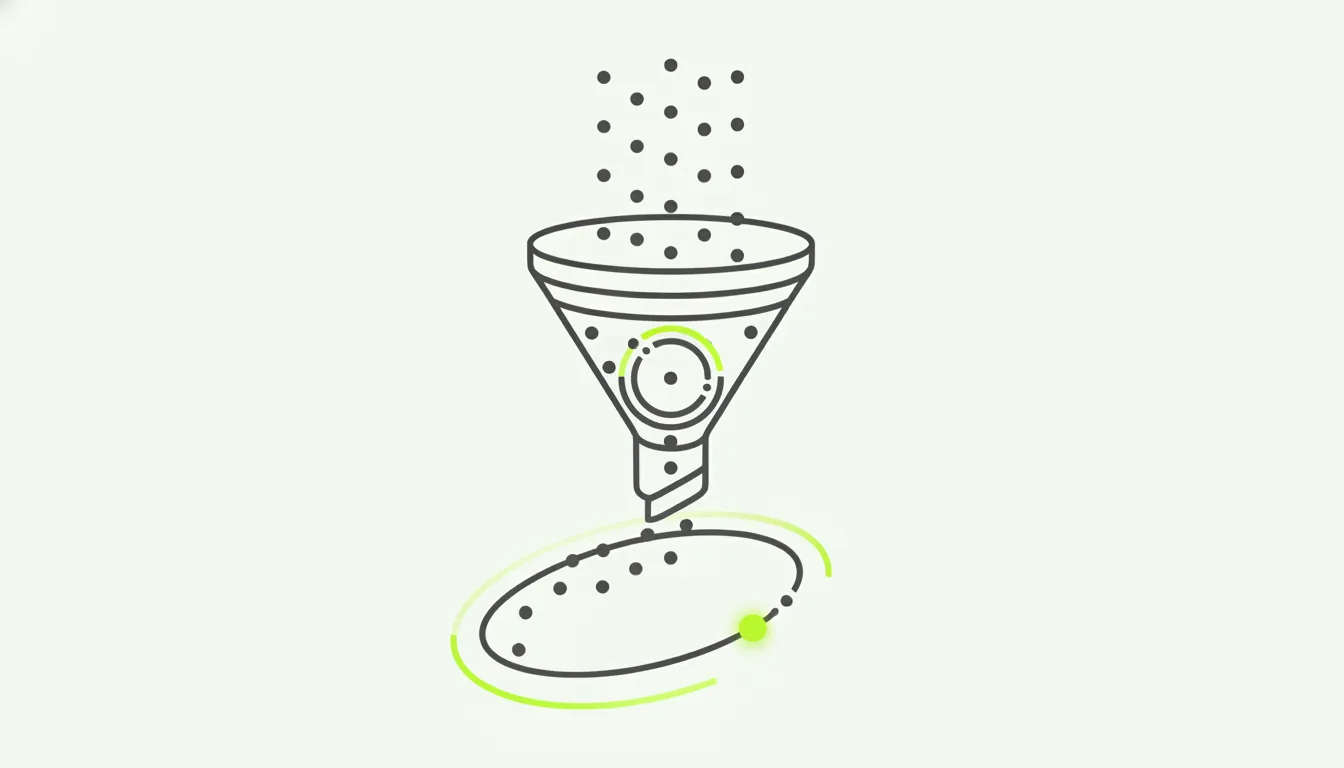
People often assume airdrop eligibility is a mystery decided behind closed doors. In reality most of it comes down to on-chain evidence: what your wallet did, when it did it, and whether the project believes you are a real participant rather than a farming bot. Understanding the mechanics helps you set honest expectations and, just as importantly, helps you spot anyone who claims they can “guarantee” you a spot. Nobody can.
The building blocks of eligibility
Holding a qualifying asset
Some airdrops reward wallets that held a particular token or NFT. The project decides which asset counts and how much you needed to hold. Because ownership is recorded on-chain, there is nothing subjective about it: either your wallet held the asset or it did not.
Using a protocol
Many of the most talked-about airdrops reward genuine usage. That might mean swapping tokens on an exchange, supplying liquidity, borrowing, bridging assets between networks, or voting in governance. The project reviews historical activity and rewards wallets that behaved like real users.
Testing and testnets
Before a network launches, it often runs a testnet where users try features using valueless test tokens. Participants who help stress-test the system are sometimes rewarded later. Legitimate testnet participation never costs real money and never requires your recovery phrase.
Snapshots: the moment that decides everything
A snapshot is a specific block or point in time at which the project records the state of the blockchain. If your qualifying activity or holding existed at that moment, you count. If it happened afterwards, you usually do not.
Two things follow from this. First, snapshots are frequently unannounced, precisely so that people cannot game them at the last second. Second, once a snapshot has passed, no amount of buying, holding, or transacting can retroactively make you eligible. Anyone promising to get you in “after the snapshot” is selling something that cannot exist.
Sybil resistance: why farming often backfires
A sybil attack is when one person creates many wallets to appear as many users and capture an outsized share of an airdrop. Projects fight this because it drains rewards away from genuine participants. The techniques they use are collectively called sybil resistance.
- Clustering analysis. If dozens of wallets were funded from the same source, act in lockstep, and send funds back to one address, they look like one actor and may all be disqualified.
- Behavioural thresholds. Trivial or repetitive activity designed only to tick a box is often filtered out. Meaningful, varied, sustained use is harder to fake.
- Minimum activity windows. Some projects require that a wallet has been active over a period, not just in a last-minute burst.
- Proof-of-personhood or identity signals. A few projects layer in optional identity checks, though these carry their own privacy trade-offs and should be approached carefully.
The practical lesson is that mass-farming with throwaway wallets frequently results in the whole cluster being excluded. Being a genuine, engaged user of things you actually find useful is both safer and, historically, more reliable.
What eligibility is never based on
Eligibility is never based on you paying an entry fee, sending crypto to “register”, sharing your seed phrase, or granting a website spending permission over your funds. These are the mechanics of scams wearing the costume of eligibility. A real project reads public blockchain data; it does not need you to hand over control of your wallet.
How to think about eligibility without getting burned
- Use protocols because they are genuinely useful to you, not purely to chase a token that may never come.
- Understand that any resulting reward, its value, and any yield attached to it are variable and not guaranteed. This is not financial advice.
- Keep your own record of what you have done, so you can check official eligibility tools honestly.
- Only ever check eligibility on the project’s official site, using your public address alone.
- Ignore anyone offering guaranteed allocations, paid “eligibility boosts”, or private claim links.
Checking eligibility safely
When a project opens an eligibility checker, it typically asks only for your public wallet address, which is safe to share because it reveals nothing secret. A legitimate checker never asks you to connect your wallet just to see if you qualify, and never asks for a signature that grants permissions. If a checker demands more than a public address, close the tab.
TokenSpin never determines your eligibility, never collects wallet addresses, and never runs claim or checker pages. When we cover an airdrop, we describe the criteria in plain terms and send you to the project’s own official channels to verify. Any private message claiming to confirm your eligibility on our behalf is fraudulent.
The role of on-chain history you cannot fake
What makes eligibility both fair and frustrating is that it is written into public history that no one can retroactively alter. Every swap, transfer, vote, and bridge your wallet has ever made sits permanently on the blockchain for the project to examine. This is why genuine, organic use over time tends to hold up so well: it produces a rich, believable record that is extremely hard for a bot farm to imitate at scale. A wallet that traded a handful of times across several months, interacted with different features, and behaved like a curious human simply looks different from a thousand wallets spun up in an afternoon.
It also means eligibility is often decided long before anyone announces a token. By the time you hear rumours of a possible airdrop, the qualifying behaviour may already be baked into history. Chasing an airdrop by suddenly flooding a protocol with last-minute activity rarely works, both because snapshots may have already passed and because that burst pattern is exactly what sybil filters are designed to catch.
Why “guaranteed allocation” services cannot deliver
A whole cottage industry of scams exists around the promise of guaranteed eligibility. Some sell “boosting” services, some offer to check eligibility through a page that quietly harvests wallet permissions, and some simply take a fee and vanish. All of them collide with a basic truth: eligibility is determined by the project reading immutable public data against private rules it controls. No third party can add your wallet to a distribution it does not run, alter your on-chain past, or force a project to include you. When someone claims they can, the only thing they are actually selling is access to your funds. The safe response is a flat refusal, every time.
The honest summary is this: eligibility is mostly a reflection of things your wallet has already done, judged against rules the project sets and, increasingly, against sybil filters that reward authenticity. You cannot buy your way in, you cannot be guaranteed a spot, and you should be deeply suspicious of anyone who says otherwise.
Frequently asked questions
Can I still qualify for an airdrop after the snapshot?
Generally no. A snapshot records the blockchain's state at a fixed moment, and eligibility is judged against that moment. Activity or holdings added afterwards usually do not count. This is why snapshots are often unannounced. Anyone promising to make you eligible 'after the snapshot' is describing something that cannot technically happen, and is almost certainly trying to scam you.
Does creating lots of wallets increase my chances?
Usually the opposite. Projects use sybil-resistance techniques that detect wallets funded from the same source or acting in coordination, and they frequently disqualify the entire cluster. Beyond the risk of getting nothing, mass-farming consumes time and gas fees with no guaranteed reward. Genuine, sustained use of protocols you actually find valuable is both safer and historically more reliable.
Is it safe to enter my wallet address into an eligibility checker?
Entering only your public wallet address is safe, because a public address reveals nothing secret and cannot be used to move your funds. What is not safe is connecting your wallet, signing a permission request, or entering a seed phrase just to check eligibility. A legitimate checker needs nothing more than the public address. If it asks for more, leave.
Why do some active users still get nothing?
Eligibility rules are set entirely by the project and can exclude activity that looks automated, too small, or too last-minute. Some projects also cap allocations or weight them by depth of usage. Because criteria are chosen privately and often revealed only at distribution, participation never guarantees a reward. Treat any potential airdrop as a possible bonus, never as expected income.
Get The Spin
The week's vetted rewards + the scams to avoid — free, every week. Informational. Not financial advice. We never ask for your keys.